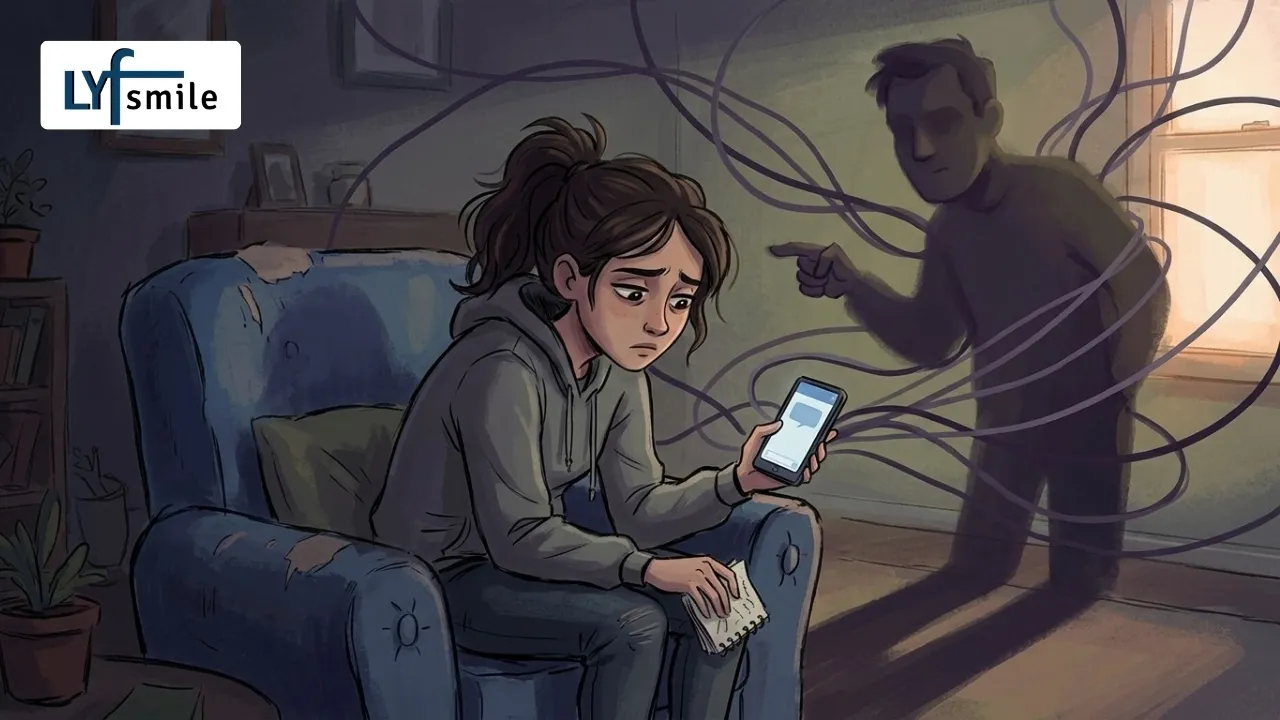


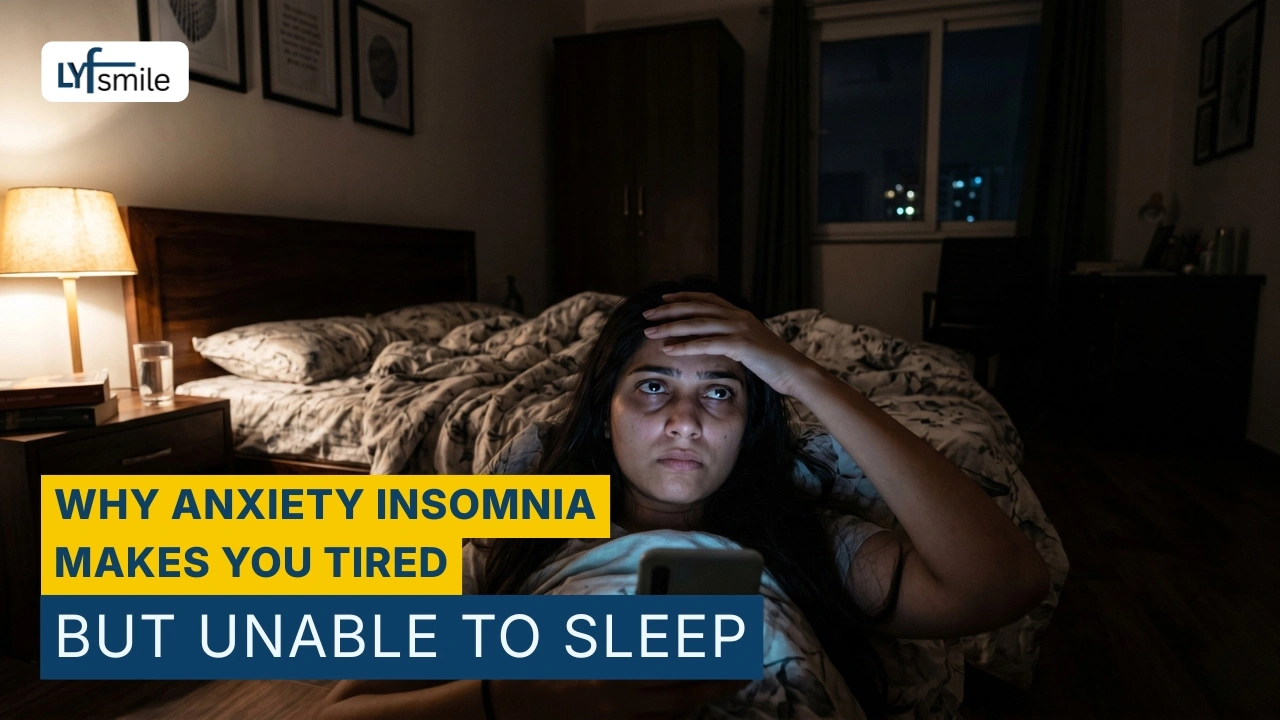
Sarvesh Kumari
Anxiety-Induced Insomnia in Gurgaon: Breaking the 'Tired but Wired' Cycle
Struggling with both anxiety and insomnia can be exhausting. If you have ever wondered, " Can anxiety cause insomnia, the answer is yes. Excessive worry, racing thoughts, and constant stress can make it difficult to relax, leaving many people unable to sleep due to anxiety. Over time, this condition, often referred to as anxiety-induced insomnia, can affect mood, energy levels, concentration, and overall well-being. Understanding the connection between anxiety and sleep problems is the first step toward finding effective ways to manage symptoms and achieve better, more restful sleep.
Living in a non-stop city like Gurgaon often means your body is exhausted from the daily grind, but your mind just refuses to switch off. If you’re struggling with anxiety and insomnia, you know the feeling: you’re physically drained after a long day at Cyber City or Udyog Vihar, yet the moment you try to rest, your brain goes into overdrive.
For those looking for overthinking at night help, the quiet of the night often feels like a megaphone for worries about tomorrow’s meetings or the traffic on the Delhi-Gurgaon Expressway. This constant nighttime overthinking keeps your body in stress mode, making it impossible to get the deep sleep you need. Breaking this cycle is possible, but it starts with teaching your mind that, despite the city's hustle, it is finally safe for you to shut down and rest.
How Anxiety Insomnia Makes Your Mind More Active at Night
In the fast-paced life of Gurgaon, our days are filled with constant distractions. However, as the city noise fades at night, the silence gives your mind more space to race. This is a clear sign of nighttime anxiety, where your body feels completely exhausted, but your brain remains hyperactive.
In this state, your mind stays stuck in "fight or flight" mode, which can lead to these common symptoms:
Physical Stress: You may experience a racing heartbeat, muscle tension, or shallow breathing even while lying in bed.
Constant Mental Loops: Repetitive thoughts about tomorrow’s meetings in Cyber City or personal worries keep your mind engaged, making it impossible to drift off.
Disrupted Habits: Irregular sleep schedules or scrolling through your phone late at night can worsen anxiety-induced insomnia.
When your sleep is constantly interrupted, it creates a frustrating cycle: poor sleep increases your stress levels, and that stress, in turn, further ruins your sleep. To break this loop, many people turn to insomnia counselling. These professional sessions help you understand these patterns and reduce overthinking at night by addressing the root causes of your restlessness.
Why You Feel Tired but Still Can’t Fall Asleep
In the fast-paced environment of Gurgaon, it is common to spend your entire day feeling low on energy, only to find that sleep disappears the moment you lie down. This is the hallmark of anxiety insomnia, where your body is physically exhausted, but your mind stays on high alert. The more you try to force yourself to sleep, the more awake you feel.
This frustrating "Tired but Wired" state happens for several key reasons:
The Hyperarousal Loop: High-pressure corporate roles in hubs like Cyber City or Golf Course Road keep your brain in a state of hyperarousal. Even though your body is drained, your mind stays alert for "threats" like tomorrow’s deadlines or unresolved work stress.
Cortisol Spikes: Stress triggers a surge of cortisol at night, which blocks melatonin, your natural sleep hormone. This hormonal imbalance can sometimes cause physical symptoms like anxiety, dizziness, and sweating, just as you are trying to drift off.
Racing Thoughts and Rumination: Anxiety-induced insomnia is often driven by the habit of rehashing the day’s events or worrying about the future. If you find yourself unable to stop this mental chatter, consulting a therapist for racing thoughts can provide you with the tools to quiet your mind.
Physical Tension: Your body might be holding onto stress through a tight jaw or shallow breathing. This signals to the brain that it isn't safe to sleep yet, which is a common issue addressed during professional insomnia counselling.
Sleep cannot be forced; it only occurs when your mind and body feel safe. When this cycle continues, long-term relief often requires professional sleep anxiety treatment. Seeking anxiety therapy in Gurgaon can help you address these root causes, ensuring that you can finally break the cycle and get the rest you deserve.
How Anxiety Affects Your Sleep Cycle
Anxiety doesn’t just live in your thoughts; it physically disrupts how your body functions, especially your circadian rhythm (internal clock). In a fast-paced city like Gurgaon, where the boundary between work and home is often blurred, your mind can stay alert for too long. This makes it nearly impossible for your body to relax and follow a natural sleep cycle, which is why many residents wake up feeling unrested despite being in bed for eight hours.
This disruption usually shows up in three major ways:
Physical Hyperarousal: Your body may stay in a constant stress state, leading to uncomfortable symptoms like “anxiety, dizziness, and sweating." These physical signals tell your brain there is a "threat," making it harder to feel calm at night.
The Mental Loop: Racing thoughts keep your mind active, making it difficult to "switch off" from the day's stress at Cyber Hub or the commute on NH-48. In such cases, seeking support from a therapist for racing thoughts can help you manage these patterns.
The Emotional Feedback Loop: Poor sleep increases your emotional reactivity the next day. This creates a cycle where daytime stress fuels nighttime anxiety, and that anxiety further ruins your sleep cycle.
Over time, this chronic cycle impacts your mood, focus at work, and daily energy. Understanding how anxiety affects your sleep is the first step toward effective management. For those finding it hard to break the loop alone, professional anxiety therapy in Gurgaon can provide the structured support needed to reset your internal clock.
What Can Help When Your Thoughts Won’t Slow Down at Night
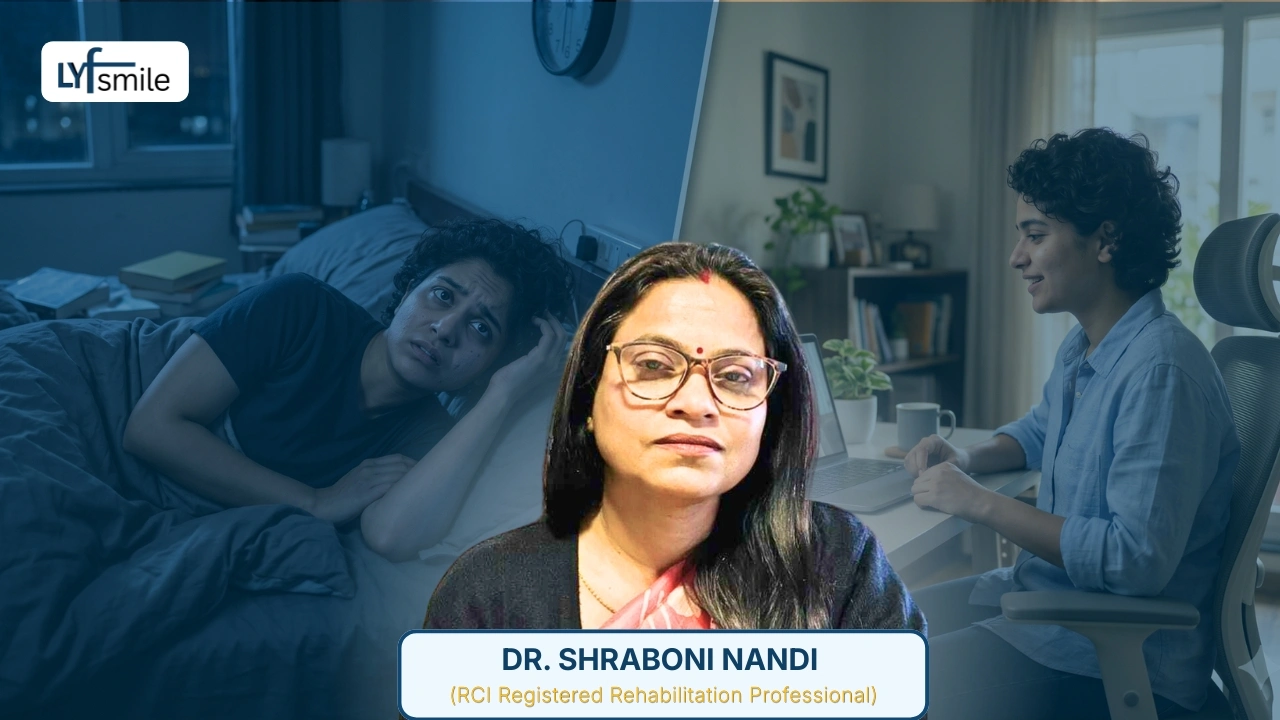 Lying in bed in a quiet Gurgaon neighborhood while your mind races can feel incredibly isolating. At night, without the daytime noise of the city, your brain starts processing worries and unfinished tasks, making it impossible to relax. However, you can regain control with a few intentional steps:
Practice a "Mental Dump": Writing your thoughts in a notebook before bed allows your mind to release what it’s holding onto, reducing the need for nighttime overthinking.
Establish a Buffer Zone: Create a calm routine, like dimming the lights or avoiding your phone for 30 minutes to signal to your brain that the workday is over.
Professional Guidance: If overthinking feels too intense to handle alone, working with a therapist for racing thoughts can help you break these deep-seated mental patterns.
At Lyfsmile, we specialise in helping residents navigate the unique stresses of the millennium city. Our experts, including Dr Shraboni Nandi, bring years of experience in understanding emotional and behavioural patterns. We provide a safe, supportive space for anxiety therapy in Gurgaon, offering specialised sleep anxiety treatment and insomnia counselling tailored to your specific needs.
You don’t have to deal with restless nights on your own. A quick conversation with a psychologist can help you feel more at ease. Book a free 15-minute session with Lyfsmile.
Frequently Asked Questions
1: Why do I experience anxiety, dizziness, and sweating at night?
When you have anxiety and insomnia, your body stays in a state of "hyperarousal." This triggers a stress response that can lead to physical symptoms like a racing heart, anxiety, dizziness, and sweating. These are signs that your nervous system hasn't switched off from the day's stress, making professional sleep anxiety treatment a helpful next step.
2: How can I stop overthinking at night and fall asleep?
To find help for overthinking at night, try a "brain dump" by writing your worries in a notebook 30 minutes before bed. This signals to your brain that the information is saved for tomorrow. If your mind still won't quiet down, working with a therapist for racing thoughts can help you learn cognitive techniques to break these repetitive mental loops.
3: What is the best treatment for sleep-related anxiety in Gurgaon?
For residents dealing with high-pressure lifestyles, the most effective anxiety therapy in Gurgaon often includes cognitive behavioral therapy (CBT). This approach addresses the underlying thoughts that fuel your restlessness. Specialised sleep anxiety treatment at local clinics like Lyfsmile can provide personalized strategies to reset your sleep cycle.
4: Can anxiety cause insomnia?
Yes, anxiety can make it difficult to fall asleep or stay asleep. Racing thoughts, excessive worry, and increased stress levels can disrupt the body's natural sleep cycle.
5. How can I sleep better if anxiety is keeping me awake?
Practising relaxation techniques, maintaining a healthy sleep routine, and seeking professional support can help manage anxiety-related sleep problems.
6: Can anxiety insomnia be cured without medication?
Many people successfully manage anxiety and insomnia through lifestyle changes and professional guidance. Improving your sleep hygiene, such as maintaining a consistent schedule and reducing screen time, combined with insomnia counselling, can significantly improve sleep quality without relying on long-term medication.
7: When should I see a professional for my racing thoughts at night?
If your nighttime overthinking is affecting your performance at work or leaving you exhausted every morning, it is time to seek help. A therapist for racing thoughts can help you identify if your sleep issues are linked to a broader anxiety disorder and provide the right tools to manage it.