


Sarvesh Kumari
Why Do I Suddenly Feel Dizzy and Sweaty? Can Anxiety Cause Dizziness and Sweating?
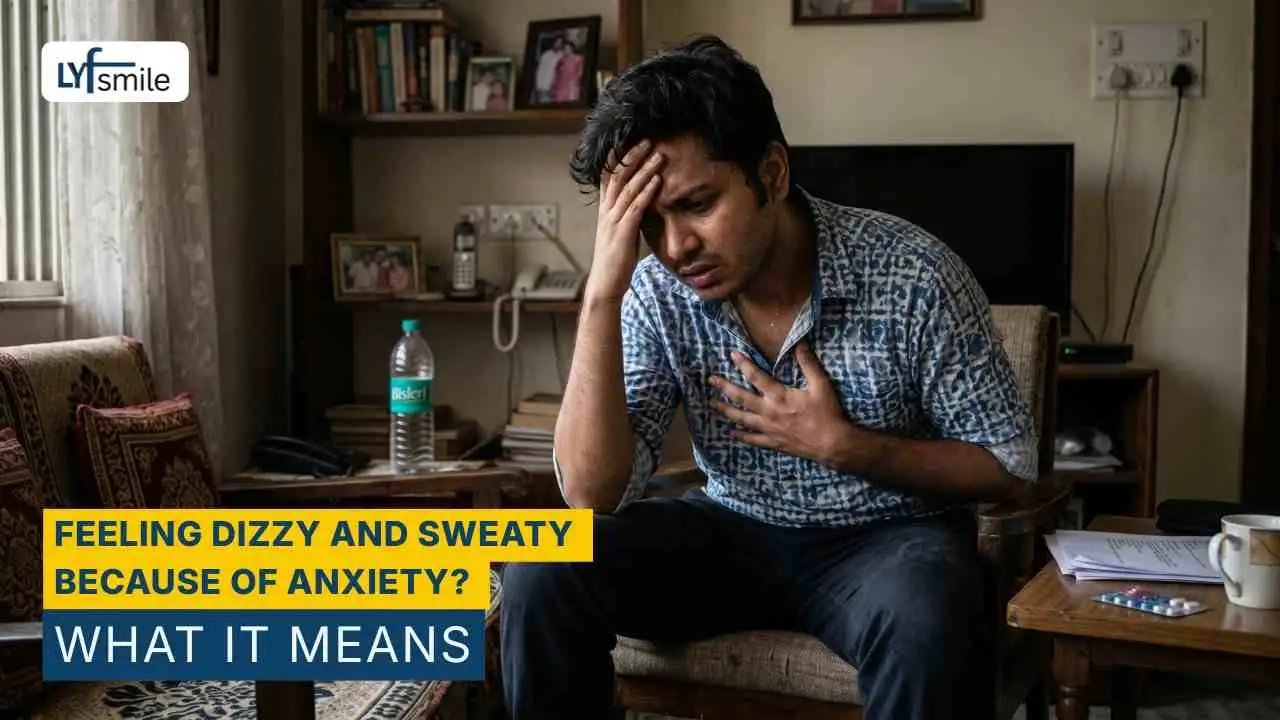
If you suddenly feel dizzy and sweaty, it can be frightening. Many people wonder, "Why do I suddenly feel dizzy and sweaty?" or whether anxiety can cause sweating and dizziness. Feeling sweaty and dizzy together may happen due to stress, panic attacks, dehydration, low blood sugar, or other medical conditions. Understanding the possible causes can help you know when these symptoms are linked to anxiety and when it is important to seek medical attention.
As a mental wellness specialist, I see this daily. While these symptoms feel like a medical emergency, they are often your body's fight-or-flight response working overtime. When your brain perceives a threat, it floods your system with adrenaline, rerouting blood flow and causing that unmistakable "off-balance" feeling. These anxiety-related dizziness episodes can feel intense, especially when you don’t understand why they’re happening. Once you start noticing how your mind and body are connected, it becomes a little easier to handle these moments.
How Anxiety Affects the Body and Leads to Dizziness and Sweating
Anxiety can make your body react in physical ways, like dizziness and sweating. This happens because your body goes into a stress response, affecting your breathing, heart rate, and balance.
When anxiety hits, your body doesn’t stay still; it reacts quickly. You might feel your heart racing, your breathing getting fast, and suddenly feel off-balance or sweaty. This dizziness and sweating due to anxiety are part of your body’s stress response.
Sometimes, it can feel like a panic attack, where there’s a sudden rush of fear along with lightheadedness and sweating. Fast breathing during anxiety can also make you feel dizzy. Other factors like low sugar, dehydration, or even tiredness can worsen it.
For some people, this lasts only a few minutes. However, if anxiety persists for an extended period, these symptoms may become more frequent. The good part is, as your body calms down, these feelings usually start to settle too.
Why Anxiety Can Trigger Physical Symptoms Like Dizziness and Sweating
It can start suddenly, where your body feels off without any clear reason. You may feel uneasy or lightheaded or notice sweating at the same time. These physical anxiety responses, like dizziness and sweating, are your body’s way of reacting to stress.
Your body goes into an alert mode, making your heart race and breathing faster, which can lead to dizziness.
Some common triggers include:
Stress or panic
Crowded places
Lack of sleep
Early signs can be:
Lightheadedness
Sweating
Blurred vision
In some cases, it may feel like a panic attack. Getting the right support, like therapy for panic attack symptoms, can help you manage these symptoms better.
If this keeps repeating, your body can become more sensitive, and even small stress can trigger the same reaction.
What These Symptoms Mean and When You Should Pay Attention
These symptoms are your body’s way of telling you that something feels overwhelming inside. If you’re dealing with “constant fear and anxiety,” even small triggers can make your body react with dizziness, sweating, or a sudden uneasy feeling.
You might notice early signs before it gets intense, like feeling lightheaded, a bit shaky, or slightly disconnected. This is the moment where your body is giving you a chance to slow down. If you catch it early, you can actually prevent it from getting worse.
Some simple things can help in that moment:
Take slow, deep breaths to calm your body
Try grounding yourself by noticing things around you
Sit down or pause instead of pushing through
It’s also helpful to take care of your body daily:
Stay hydrated
Eat on time
Avoid standing too long without movement
But if these symptoms keep happening again and again or start affecting your daily life, it’s something you shouldn’t ignore. Paying attention early can help you manage it better before it feels too overwhelming.
How to Reduce Anxiety-Related Dizziness and Sweating
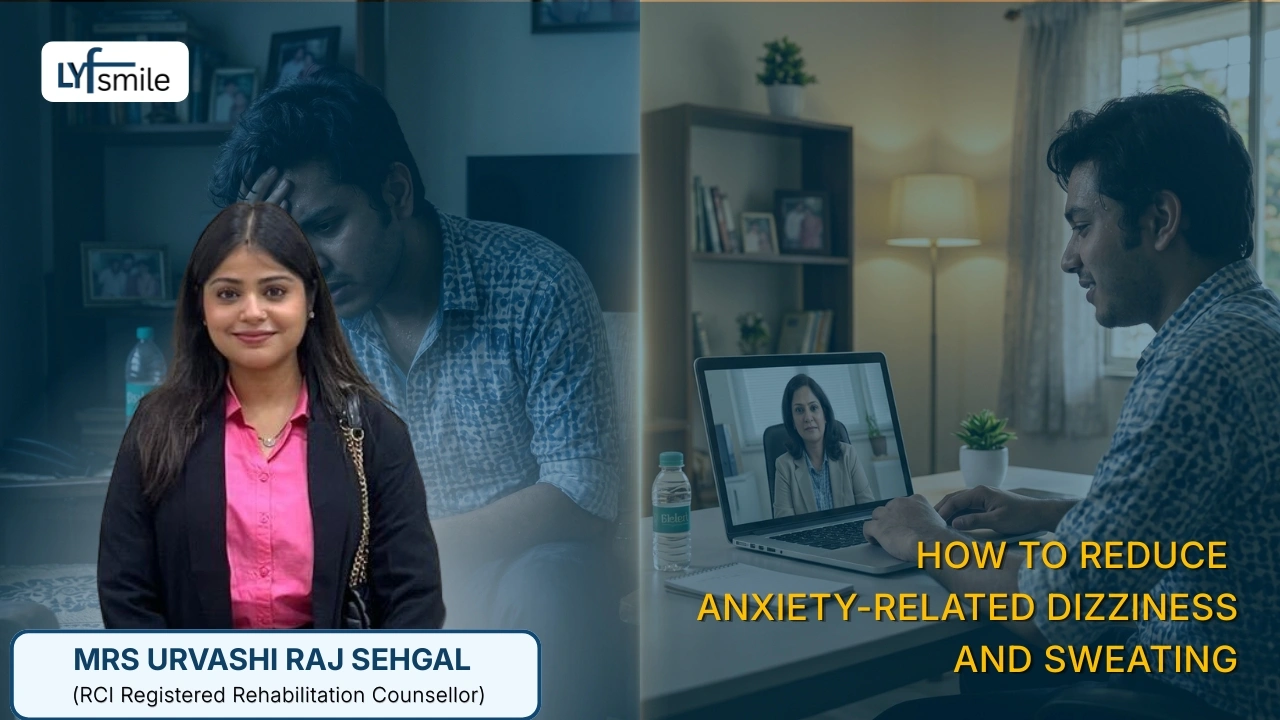 Dizziness and sweating during anxiety can feel overwhelming, but there are ways to calm your body before it gets worse. The key is to notice the signs early and not ignore them.
In the moment, try to slow things down. Sit or lie down as soon as you feel dizzy. Take slow, deep breaths and let your body settle instead of pushing through the feeling.
Some simple things that can help:
Sit or lie down when you feel dizzy
Take slow, deep breaths
Focus on your surroundings to ground yourself
Stay hydrated and eat on time
Avoid standing too long without movement
If these episodes keep happening, don’t ignore them. Even if it feels like anxiety, it’s important to rule out other possible causes by getting checked once.
Getting the right kind of anxiety attack support can really help. Talking to someone who understands what you’re going through makes it easier to break this cycle. Many people feel better after speaking with a therapist for anxiety in Gurgaon, especially when these symptoms start affecting daily life.
At Lyfsmile, professionals like Mrs Urvashi Raj Sehgal create a safe space where you can talk openly and understand what’s really going on. The goal is to help you feel more in control of your thoughts and reactions, not just to manage symptoms.
Whether it’s work pressure or social situations, support, such as social anxiety counselling or one-on-one sessions, can slowly help you feel more stable.
When Should You See a Doctor for Dizziness and Sweating?
Dizziness and sweating that pop up now and then aren't usually a big deal; anxiety, stress, dehydration, or a dip in blood sugar can all bring them on. That said, some symptoms are red flags you shouldn't brush off.
If dizziness and sweating come along with chest pain, shortness of breath, fainting, a severe headache, numbness, or weakness, get medical help right away, since these can point to something more serious going on.
It's also worth seeing a doctor if these episodes keep happening, get worse over time, or start getting in the way of your everyday life.
Anxiety can definitely cause sweating and dizziness, but symptoms that are persistent or come on suddenly are always worth getting checked out by a healthcare professional, just to rule out other causes and make sure you're getting the right care.
Frequently Asked Questions
1. Why do I feel dizzy and sweaty during anxiety?
When anxiety builds up, your body goes into a stress response. This can make your heart race and breathing faster, and lead to feelings like dizziness and sweating at the same time.
2. What are the symptoms of an anxiety or panic attack?
Common symptoms include dizziness, sweating, a fast heartbeat, shortness of breath, and a sudden feeling of fear or discomfort. These can feel intense but usually pass with time.
3. How can I calm myself during an anxiety attack?
Simple steps like slow breathing, sitting down, and focusing on your surroundings can help your body relax. Taking a pause instead of pushing through the feeling can make it easier to handle.
4. Can anxiety cause physical symptoms like dizziness every day?
Yes, if anxiety is constant, your body can keep reacting in similar ways. This can lead to repeated symptoms like feeling lightheaded, sweaty, or uneasy in daily life.
5. When should I seek help for anxiety symptoms?
If these symptoms happen often, feel too intense, or start affecting your daily life, it’s a good idea to talk to a professional and understand what’s going on.
6. How can I find the right support for anxiety in Gurgaon?
You can look for experienced mental health professionals or therapists in Gurgaon who understand anxiety-related symptoms and can guide you with the right support and coping methods.