

Sarvesh Kumari
Why Is Anxiety Affecting your Daily Life? Signs, Causes & How to Cope!
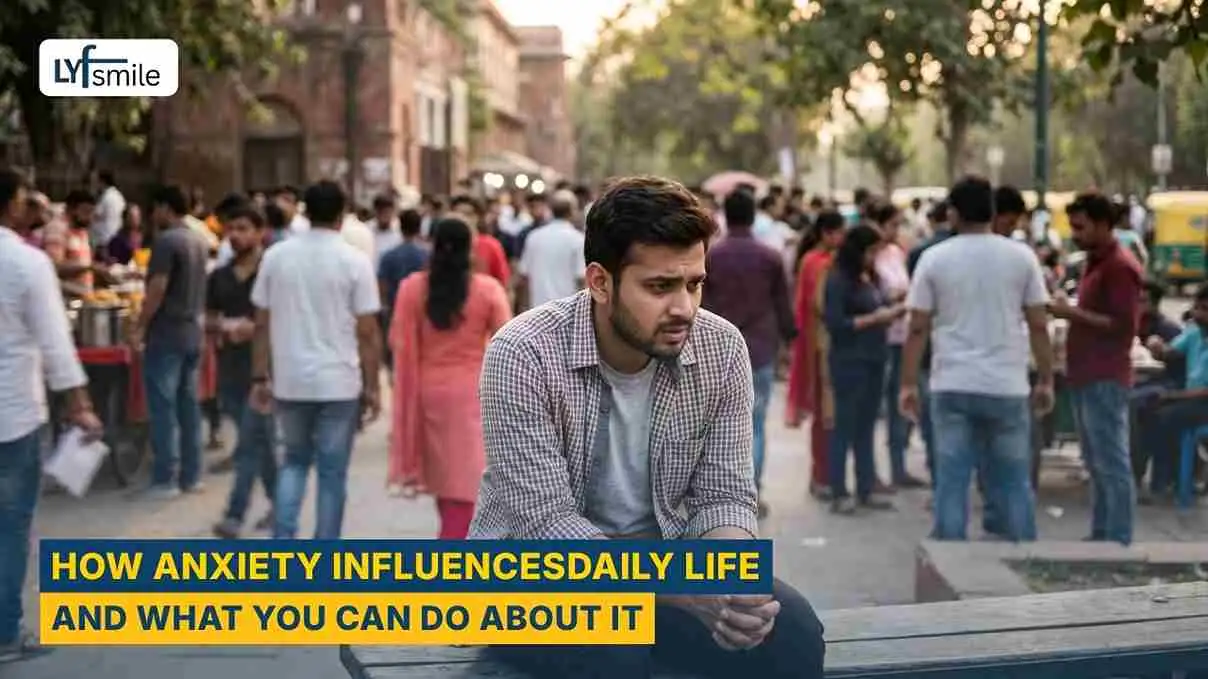
If anxiety affecting daily life has started making simple tasks feel overwhelming, you are not alone. Many people struggle to understand how anxiety affects daily life, including work performance, relationships, sleep, and everyday responsibilities. Recognising these changes early can help you take steps toward better emotional well-being and regain control over your routine.
Anxiety doesn’t just stay in your head; it follows you into your kitchen, your office, and your relationships. It’s that invisible weight that makes a simple grocery run feel like a marathon. At Lyfsmile, our team of therapists sees how anxiety affecting daily life can shrink a person's world, turning small tasks into mountain-sized hurdles.
If you feel like you are constantly on edge, please know that reaching out for help for anxiety problems is a sign of strength, not weakness. While anxiety is loud, it is also manageable when you have the right professional guidance to decode its language and reclaim your calm.
Signs That Anxiety Is Affecting Your Daily Life
When anxiety becomes persistent, it can start interfering with your everyday life and make even simple tasks feel overwhelming. Recognising these signs of anxiety early can help you protect your emotional health and seek the right support. Some common anxiety symptoms include:
Difficulty concentrating: Constant worries and racing thoughts can make it hard to focus on work, studies, or daily responsibilities.
Constant worrying: People with anxiety often find themselves overthinking situations and expecting the worst, even when there is no immediate threat.
Sleep problems: Trouble falling asleep, waking up frequently during the night, or feeling tired despite getting enough rest are common anxiety symptoms.
Avoiding social situations: Anxiety may cause people to avoid gatherings, meetings, or interactions because of fear, nervousness, or excessive self-consciousness.
Irritability: Feeling restless or becoming easily frustrated over small things can be one of the lesser-known signs of anxiety.
Low energy: Ongoing stress and poor sleep can leave a person feeling physically and mentally exhausted, affecting productivity and overall well-being.
If these symptoms are consistently interfering with your routine, relationships, or responsibilities, it may indicate that anxiety is affecting your daily life, and professional support can help you regain balance and improve your emotional well-being.
What Anxiety Looks Like in Everyday Life
It’s one thing to feel stressed, but it’s another when that worry starts dictating your daily choices. Our clinical team focuses on identifying those subtle shifts in your routine that signal a deeper struggle. Recognizing these patterns is the essential first step toward finding a therapist for avoidance behavior or specific panic disorder treatment that actually fits your life.
Key Takeaways: Managing Anxiety’s Daily Impact
The "Fog" of Anxiety: Constant worry drains your mental energy, making simple decisions feel impossible.
Physical Roadblocks: From a tight chest to anxiety-related dizziness, your body often reacts before your mind even realises you're stressed.
Breaking the Isolation: Anxiety thrives in secret; opening up to a specialist is often the first step toward reclaiming your social life.
Expert Support: Our psychologists provide evidence-based tools and social anxiety counselling to help you transition from "surviving" to truly living.
While these daily symptoms can feel permanent, they are simply signals that your nervous system is overwhelmed. Addressing these challenges early helps prevent them from becoming a deep part of your routine. If you are ready to move toward a more balanced life, seeking the right kind of mental health support can provide the structure needed to slowly unlearn these stress responses. By working with someone who understands your experience, you can move beyond just managing symptoms and start building a life where you feel more present and in control again.
The Hidden Ways Anxiety Affects Your Work and Relationships
Anxiety often works quietly, but it can still affect how you function at work and connect with others. At work, it can lead to overthinking, self-doubt, and constant worrying about small mistakes. You may replay conversations or feel like you’re not doing enough.
In relationships, it can show up as:
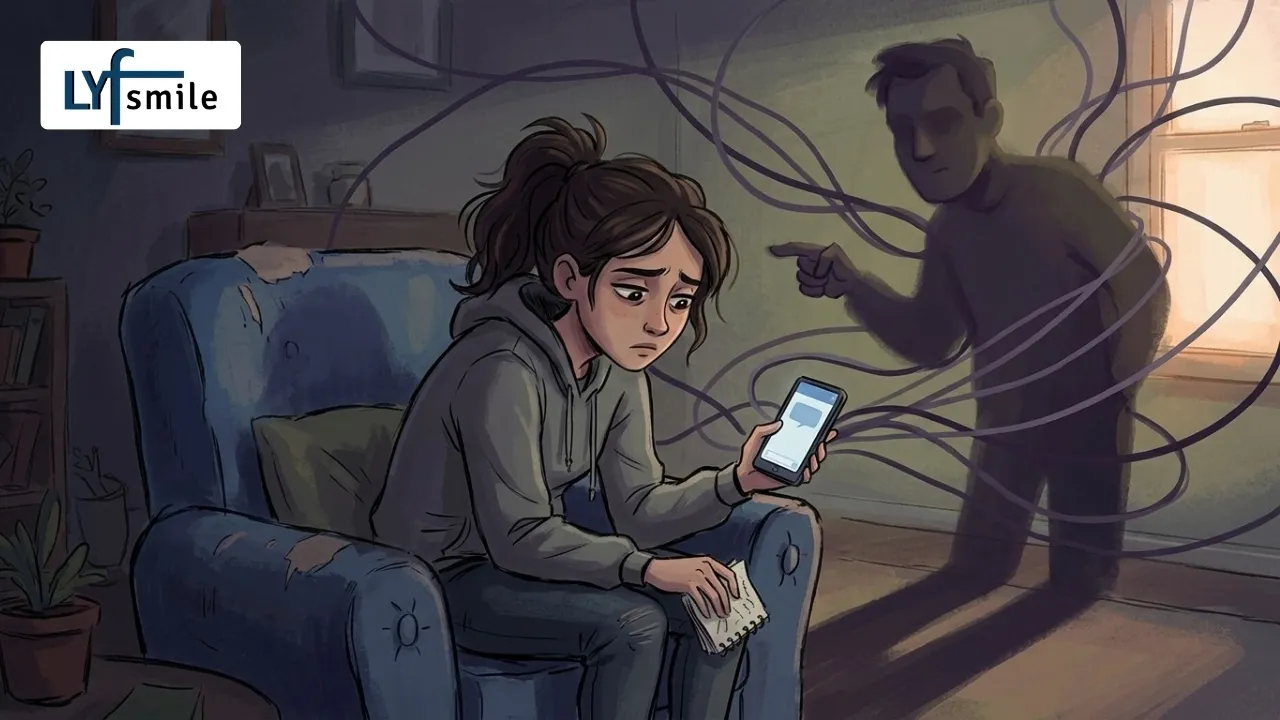
Overthinking texts or interactions
Fear of being lied to or left
Needing constant reassurance
Feeling jealous or pulling away to avoid hurt
These patterns usually come from insecurity and fear, making it harder to feel calm and connected. Getting the right support, like social anxiety counselling, can help you understand these behaviors and build healthier ways to handle both work and relationships.
What You Can Do When Anxiety Starts Taking Over
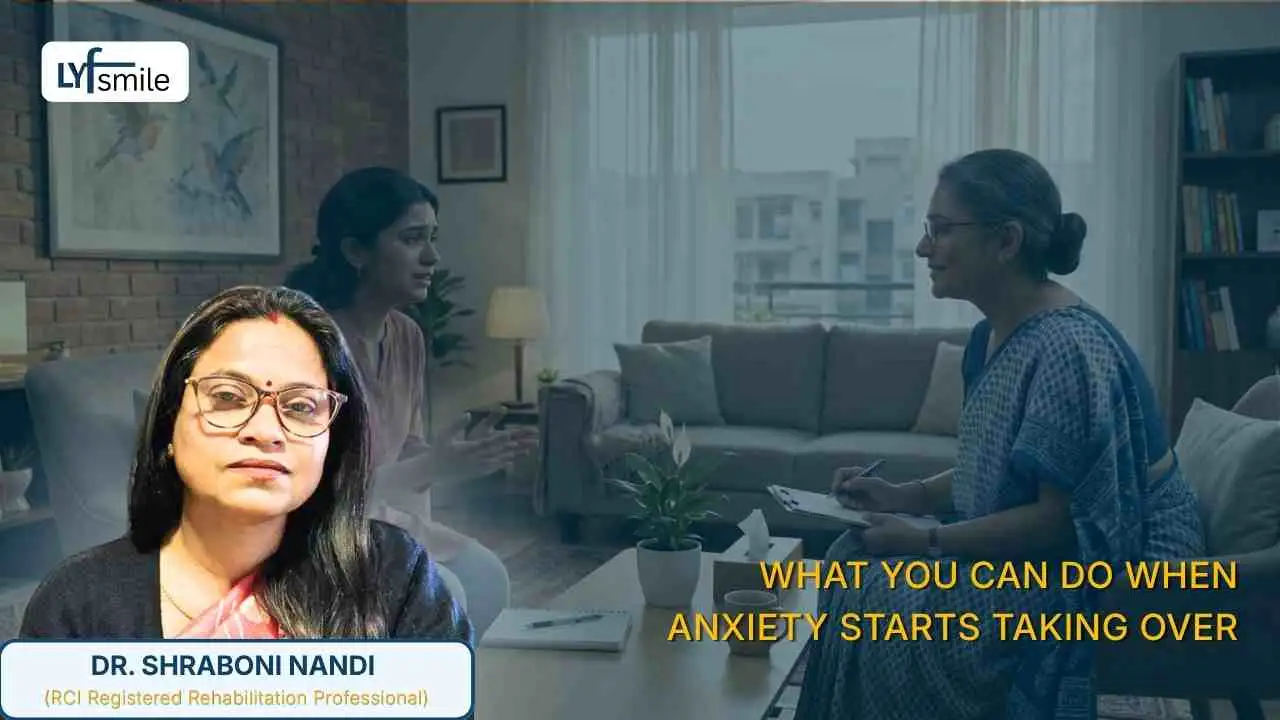 The moment you decide that anxiety no longer gets to control your choices is when your healing really begins. At Lyfsmile, we believe that moving past fear is not just about “getting by”; it’s about truly resetting your mental well-being more deeply. This journey is supported by experienced professionals like Dr. Shraboni Nandi, who understands that every person needs their own way to heal.
As an RCI-registered rehabilitation professional with a Ph.D. in psychology and over 20 years of experience, Dr. Nandi takes a practical and realistic approach to mental health. If you feel stuck in patterns of avoiding things, she works as a dedicated therapist for avoidance behavior, helping you understand the “invisible challenges” and negative patterns that may be holding you back.
How professional support helps you take control again:
Finding Clarity: Helping you move through the mental “fog” of anxiety and understand your thoughts and emotions better
Building Realistic Coping Skills: Learning simple, everyday ways to handle stress and difficult experiences
A Safe, Empathic Space: Giving you a comfortable place to share your feelings without fear of judgment
Breaking Unhealthy Cycles: Helping you see how your surroundings affect you and how to respond in a better way
By offering this kind of understanding space, Dr. Nandi helps you not just manage anxiety but also grow through it. If you’re looking for anxiety therapy in Gurgaon, the team at Lyfsmile is there to support you in clearing your thoughts and starting fresh. You don’t have to deal with anxiety or past struggles alone; the right support can help you feel stronger again.
Don’t let another day be dictated by worry. Connect with us at Lyfsmile to address how anxiety is affecting your daily life and start building the coping skills you deserve.
[Talk to a Specialist – Get a 15-Minute Free Consultation]
Frequently Asked Questions (FAQ)
1. What kind of therapy is best for anxiety?
While everyone is different, Cognitive Behavioral Therapy (CBT) is widely considered the gold standard. It helps you identify the negative thought patterns that fuel your worry. At Lyfsmile, our specialists combine CBT with mindfulness to give you a realistic toolkit for managing anxiety affecting daily life.
2. How can I stop a panic attack in the moment?
One of the most effective ways to ground yourself is the 3-3-3 rule: name three things you see, three things you hear, and move three body parts. This shifts your brain’s focus from internal panic to your physical surroundings, helping the attack pass more quickly.
3. Is it possible to treat avoidance behavior through therapy?
Absolutely. Avoidance is a common "safety" tactic, but it often makes the fear grow. Working with a therapist for avoidance behavior allows you to face your triggers in a safe, controlled way. We help you gradually expand your world so you no longer feel the need to hide from stressful situations.
4. Can I live a normal life with panic disorder?
Yes, you definitely can. Many people believe a diagnosis is permanent, but with the right panic disorder treatment, you can learn to manage physical symptoms like dizziness and sweating. The goal of our clinical team is to help you reach a point where you feel in control, rather than your panic being in control of you.
5. How can I tell if my anxiety levels are "normal"?
Occasional stress before a big event is normal. However, if you feel that anxiety is affecting your daily life, sleep, or relationships for more than a few weeks, it may be time to seek professional support. Anxiety becomes a problem when it stops being a "warning signal" and starts becoming a constant barrier.
6. Does social anxiety counselling really work?
Yes. Social anxiety is often rooted in a fear of judgment. Through dedicated social anxiety counselling, we help you build social confidence and unlearn the "spotlight effect," the feeling that everyone is watching your every move. It’s about learning to be yourself in a room full of people.