Sarvesh Kumari
Social Anxiety Symptoms: Signs, Causes: explained by CBT expert Mrs Ritika Dhall
Social anxiety symptoms are not always easy to notice because many people appear calm on the outside while feeling extremely anxious inside. Common symptoms of social anxiety include a racing heart, sweating, shaky hands, and excessive worry in social situations. These signs of social anxiety disorder can show up while speaking to strangers, eating in public, or attending social gatherings. Recognising social anxiety disorder symptoms early can help people understand their triggers and learn healthier ways to manage anxiety in everyday life.
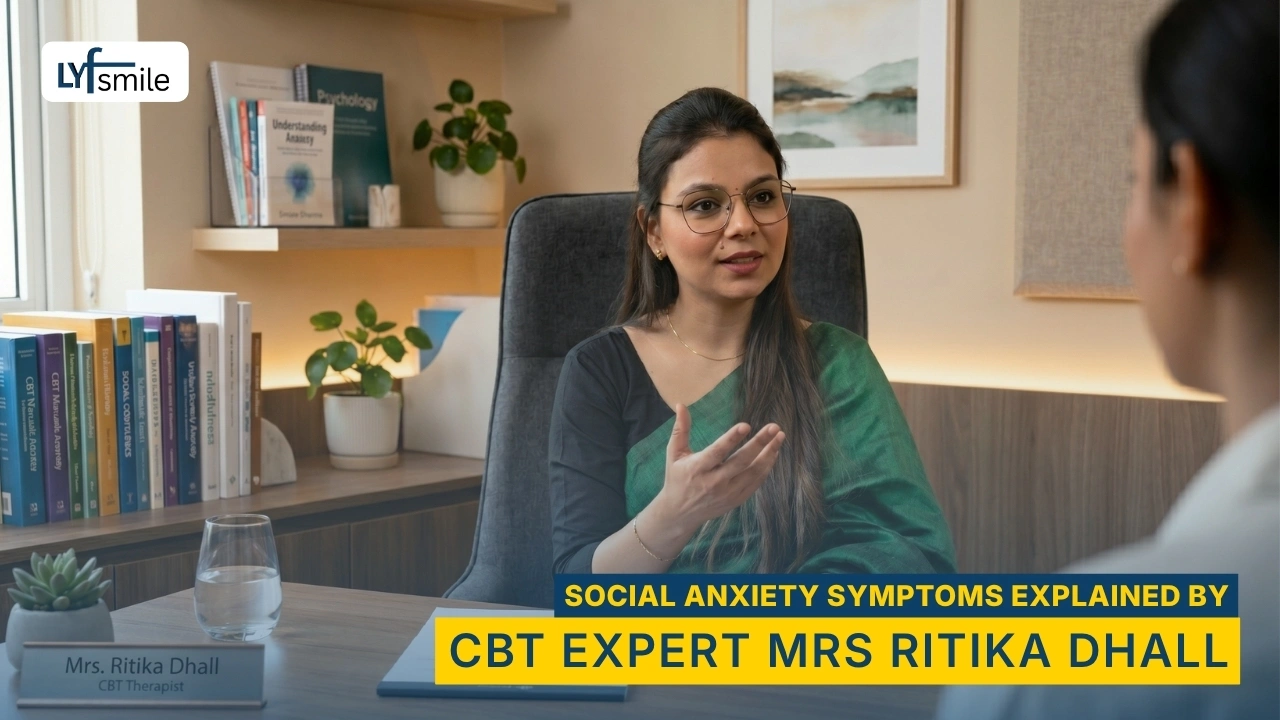
Common social anxiety symptoms include a racing heart, sweating, shaky hands, fast breathing, and feeling nervous in public. Some people may also feel awkward talking to strangers or struggle in simple social situations, even when others don’t notice anything wrong. These small signs can quietly affect daily life more than people realize. For support and guidance, CBT psychologist Mrs Ritika Dhall helps people better understand their anxiety and learn simple ways to manage it in daily life.
Physical symptoms of social anxiety!
Anxiety isn't just something that happens in your head; it shows up in your body, too. The physical symptoms of social anxiety can kick in during everyday moments, like making small talk with a stranger, sitting through a meeting, or even just eating in front of other people.
Some of the most common physical signs to watch for include:
Rapid heartbeat
Sweating
Shaky hands
Blushing
Dry mouth
Dizziness
Nausea
Shortness of breath
These reactions are your body's natural stress response kicking into gear, and they tend to show up more strongly in people dealing with severe social anxiety symptoms. Left unaddressed, these physical changes can accumulate over time, making everyday social situations feel increasingly overwhelming and hard to get through.
Emotional and Behavioural Symptoms of Social Anxiety
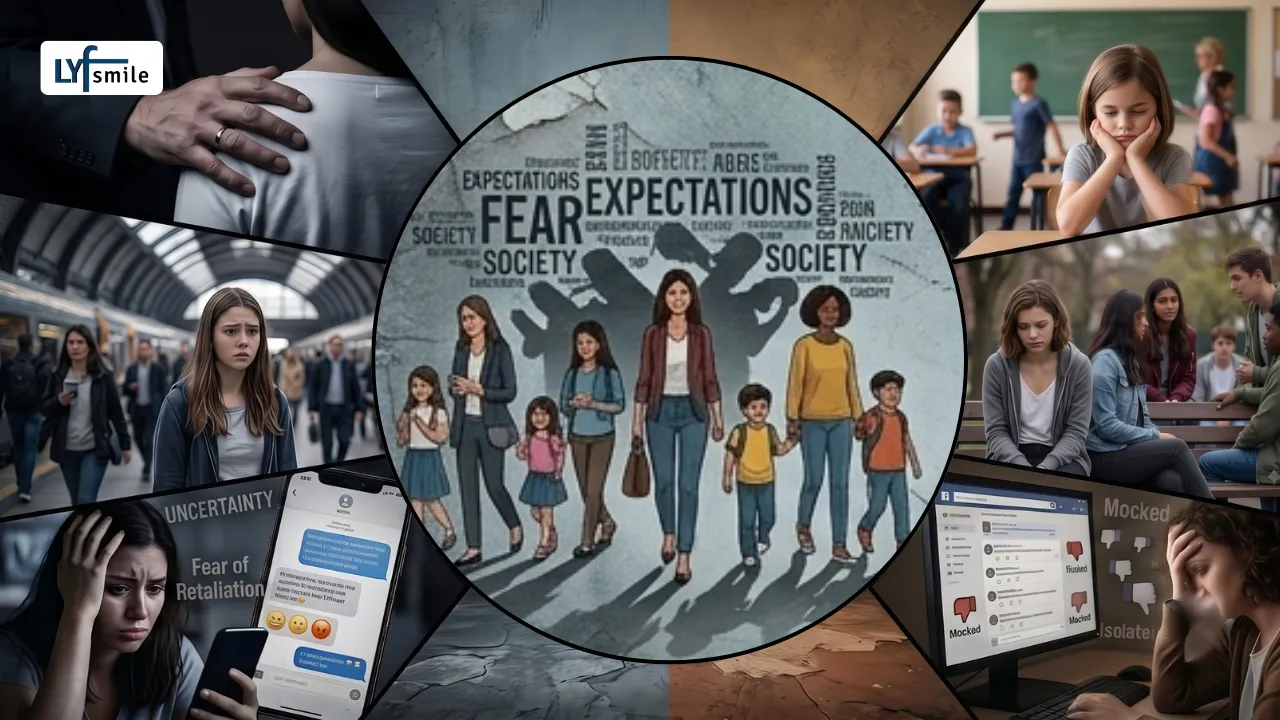
Social anxiety doesn't just show up as a racing heart or sweaty palms; it also shapes how a person thinks, feels, and reacts in everyday situations. The emotional symptoms of social anxiety often stem from a deep fear of embarrassment and an overwhelming sense of self-consciousness.
Some common emotional and behavioural signs include:
A constant fear of being judged by others
Overthinking conversations long before and after they happen
Avoiding social gatherings or crowded places whenever possible
Difficulty making eye contact during conversations
Feeling embarrassed easily, even over small things
Low confidence in social settings
Staying quiet just to avoid drawing attention
At first glance, these behavioural symptoms of social anxiety might seem minor or easy to brush off. But over time, they can quietly chip away at relationships, work performance, academic life, and overall quality of life. That's why recognising these signs of social anxiety disorder early matters, it gives people a real chance to seek support before the anxiety takes a deeper hold.
The Triggers Behind Social Anxiety
Certain everyday situations can quietly trigger social anxiety without you even realising it at first. In these moments, “racing thoughts and anxiety” can build up quickly, making simple interactions feel stressful or uncomfortable.
You may notice it more in situations like the following:
• Speaking in front of others: answering a question or presenting can make your mind go blank
• Meeting new people: starting conversations can bring overthinking and fear of being judged.
• Being in public spaces: eating, sitting, or just being around others can make you feel watched.
• Being the centre of attention: when people focus on you, even briefly, it can increase nervousness.
• Small daily interactions: talking to a cashier or asking for help may feel harder than it should
These situations are a normal part of daily life, but for someone with social anxiety, they can feel overwhelming from the inside.
Practical Ways to Manage Social Anxiety Daily
When you deal with social anxiety, it’s not just about “fixing” it; it’s about learning how to handle those uncomfortable moments without being too hard on yourself. You don’t need to follow perfect rules or suddenly become confident. Even small changes in how you respond can make a real difference and help with anxiety and overthinking.
Here are a few things that can actually help in real life:
Don’t avoid everything: Try small things like saying “hi” or making brief eye contact
Calm your body first: Slow breathing can help when your heart starts racing
Stop over-focusing on yourself: Notice what the other person is saying instead
Keep conversations simple: You don’t need perfect words; just basic questions are enough
Handle the awkward moments: Pause, take a second; it’s okay if things don’t go smoothly
Challenge your thoughts: Not everyone is thinking about you the way you think
Be around easy people: Talking feels simpler with people who don’t make you feel judged
Go easy on yourself: No one is perfect at socializing; it improves with time
You don’t have to get rid of social anxiety completely. The goal is to feel a little more comfortable each time, and that happens step by step.
Social Anxiety Therapy in Gurgaon: When to Seek Professional Help!
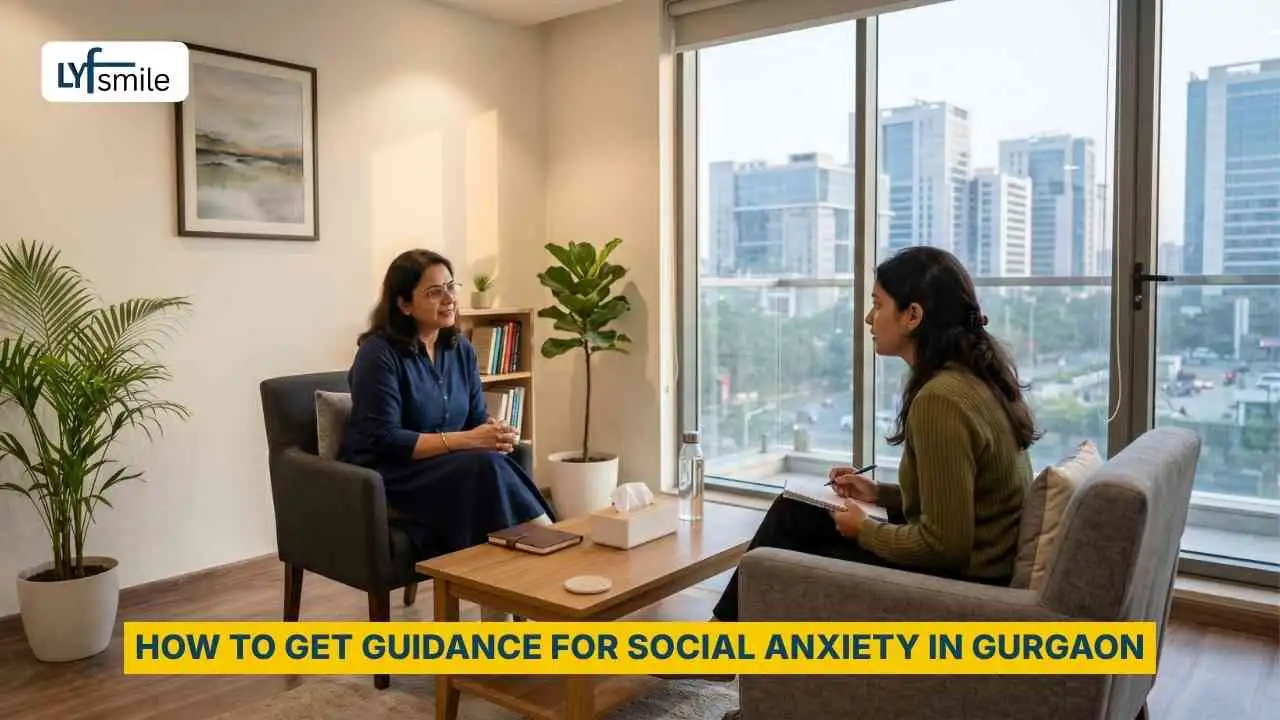 If social anxiety is starting to affect your daily life, getting the right support can make things easier to handle. You don’t have to deal with it alone, and reaching out at the right time can help you understand what’s really going on inside. Many people begin by searching for anxiety treatment near me when things start to feel overwhelming.
You can explore options like social anxiety therapy in Gurgaon, where you get a safe and comfortable space to talk without fear of being judged. Therapy helps you understand your triggers, patterns, and how to respond more effectively in social situations.
Depending on what you’re struggling with, support can look like the following:
Working with a therapist for confidence issues to feel more comfortable while speaking or interacting
Taking counselling for shyness and anxiety to slowly open up in social situations
Understanding your thoughts, triggers, and reactions in a simple and practical way
Learning how to manage overthinking and handle anxious moments better
Building small, everyday skills that improve confidence over time
At Lyfsmile, CBT psychologist Mrs Ritika Dhall focuses on helping people deal with anxiety simply and practically. She creates a safe and understanding space where you can talk freely without feeling judged. Her approach is not just about talking, but also about helping you learn real-life skills to manage your thoughts, emotions, and reactions. A therapist for confidence issues works closely with you to understand your concerns and supports you step-by-step so you can feel more confident and in control in your daily life.
If social anxiety symptoms are affecting your daily life, you don’t have to handle it alone. Connect with Mrs Ritika Dhall at Lyfsmile and get the right support today.
Frequently Asked Questions
1. What kind of therapy works best for social anxiety?
Therapies like CBT (Cognitive Behavioural Therapy) are commonly used to help manage social anxiety by changing negative thoughts and improving coping skills.
2. What are some common signs of social anxiety?
Some common signs include fear of being judged, overthinking social situations, avoiding interactions, sweating, and a racing heart in public.
3. Can therapy help improve confidence in social situations?
Yes, therapy can help you build confidence by teaching you how to manage anxious thoughts and feel more comfortable while interacting with others.
4. How can I stop avoiding social situations?
Start with small steps like brief conversations or eye contact. Gradually facing situations can make them feel less overwhelming over time.
5. What are simple ways to calm anxiety in the moment?
Deep breathing, focusing on your surroundings, and slowing down your thoughts can help you feel calmer in stressful situations.
6. Is it normal to feel anxious in social situations sometimes?
Yes, feeling anxious occasionally is normal. It becomes a concern when it starts affecting your daily life regularly
7.What are the signs of severe social anxiety?
Signs of severe social anxiety may include avoiding social situations completely, panic-like symptoms, difficulty speaking with others, and anxiety that interferes with work, studies, or relationships.