

Lakshika Kaushik
Affordable Online Therapist for Anxiety in India
Looking for affordable online therapy for anxiety in India? Online counselling can help you access professional mental health support from home for concerns such as persistent worry, overthinking, panic symptoms, stress and anxiety-related difficulties.
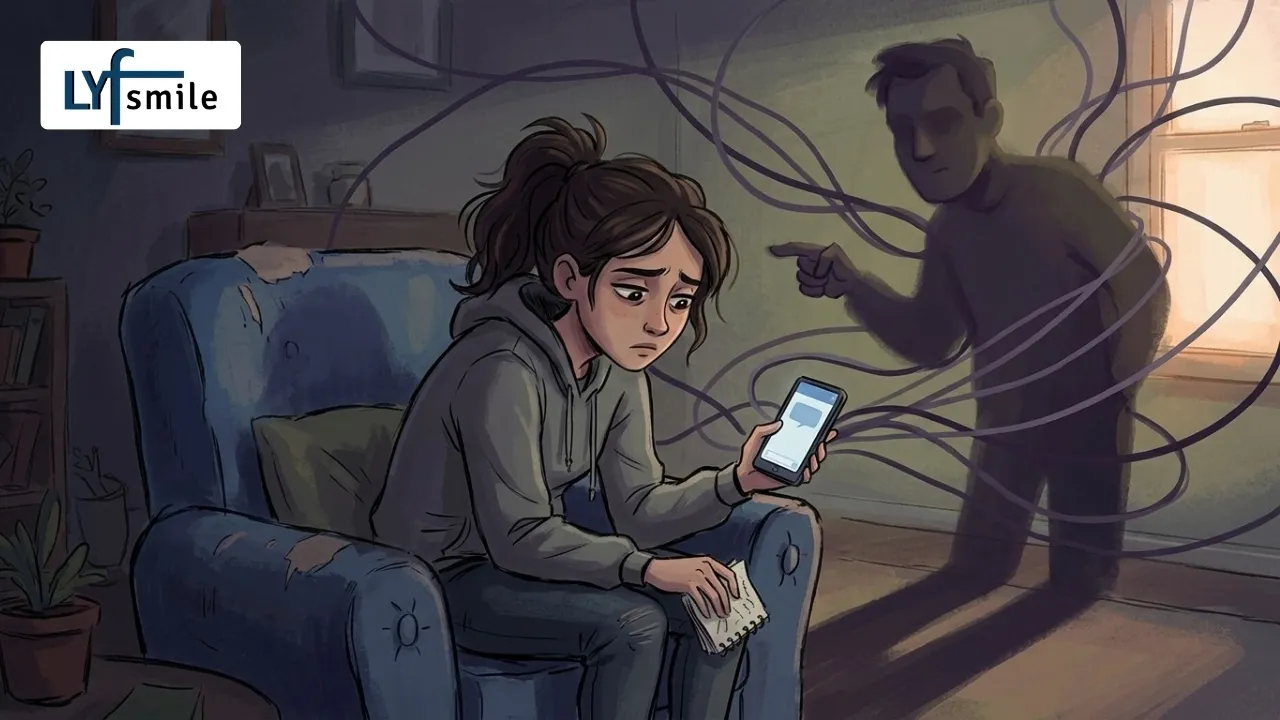
Anxiety is one of those things that is hard to explain to someone who has not felt it. It is not always dramatic. Sometimes it is just a constant hum of worry (generalised anxiety) that follows you through your day, making it harder to sleep, harder to focus, harder to just feel okay.
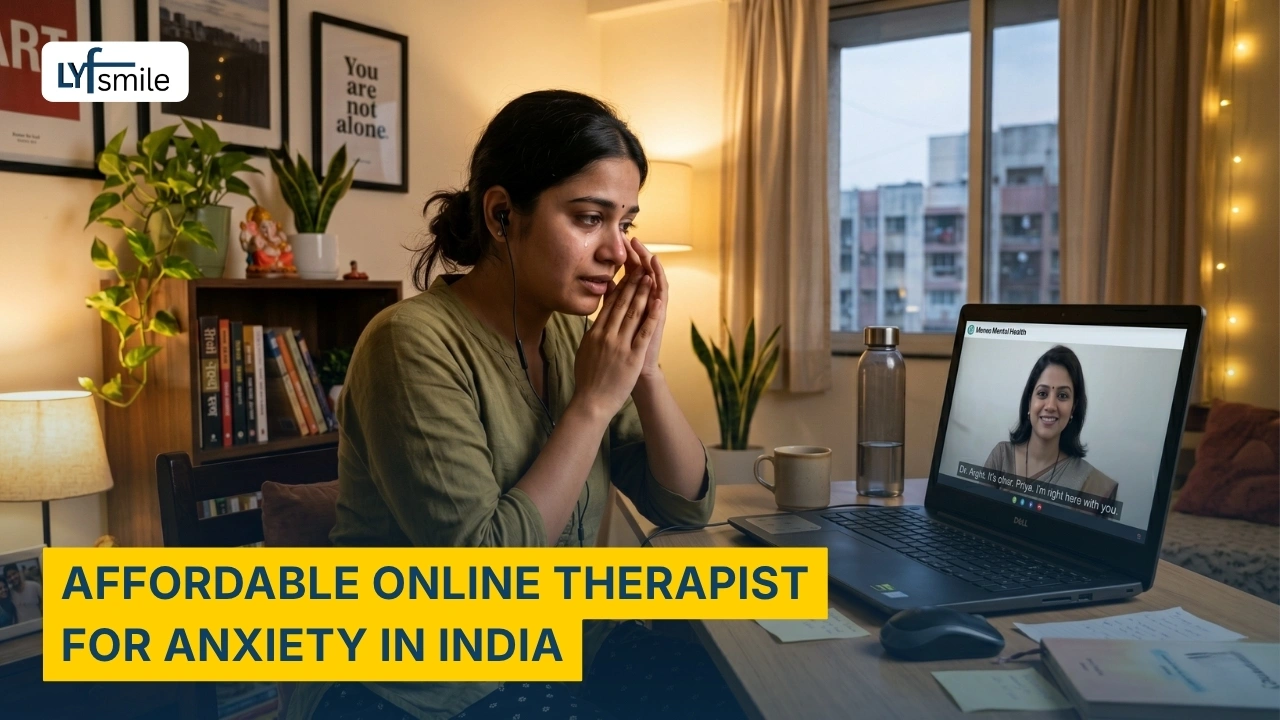
The good news is that getting the right support no longer means expensive in-person sessions or long waiting lists. With affordable online therapy for anxiety in India, you can connect with a trained therapist from the comfort of your home at a time that works for you, on a platform that keeps everything completely private.
At Lyfsmile, Mrs Tanya Sachdev, MSc Clinical Child Psychology, Cambridge, UK | 15+ Years Experience, provides structured, evidence-based online anxiety treatment that helps you understand your triggers, manage panic attacks and anxiety, and build lasting emotional resilience. Whether you are looking for affordable online counselling for anxiety in India or simply need someone who genuinely understands, this is the right place to start.
How Can Online Anxiety Counselling Help?
Online anxiety counselling helps you in many ways:
Understand anxiety triggers and recurring worry
Identify unhelpful thought patterns
Learn practical coping and grounding strategies
Work on avoidance and stress-related behaviours
Develop healthier ways to manage anxiety over time
Meet Your Affordable Online Anxiety Therapist
Mrs Tanya Sachdev: Holistic Family Therapist & Clinical Psychologist
MSc Clinical Child Psychology, Cambridge, UK | Certified Adult Psychologist | 15+ Years Experience
Specialisation: Anxiety, Stress Management, Emotional Regulation, Trauma & Relationship Concerns
Therapeutic Approaches: Cognitive Behavioural Therapy (CBT), Mindfulness-Based Techniques, Emotion Regulation Strategies, Behavioural Therapy
Tanya Sachdev is one of the best online therapists for anxiety in India, working with individuals experiencing persistent worry, panic symptoms, overthinking, and stress-related anxiety. Her approach is structured, empathetic, and focused on helping clients understand the root of their anxious thoughts while building practical coping skills.
Through personalised online therapy sessions for anxiety, she guides individuals toward greater emotional balance, confidence, and long-term anxiety management, making professional online mental health support accessible, consistent, and genuinely effective.
Book a FREE 15-minute consultation understand your anxiety better and explore calm, practical ways to manage it.
How Anxiety Shows Up in Daily Life: Signs You Should Not Ignore
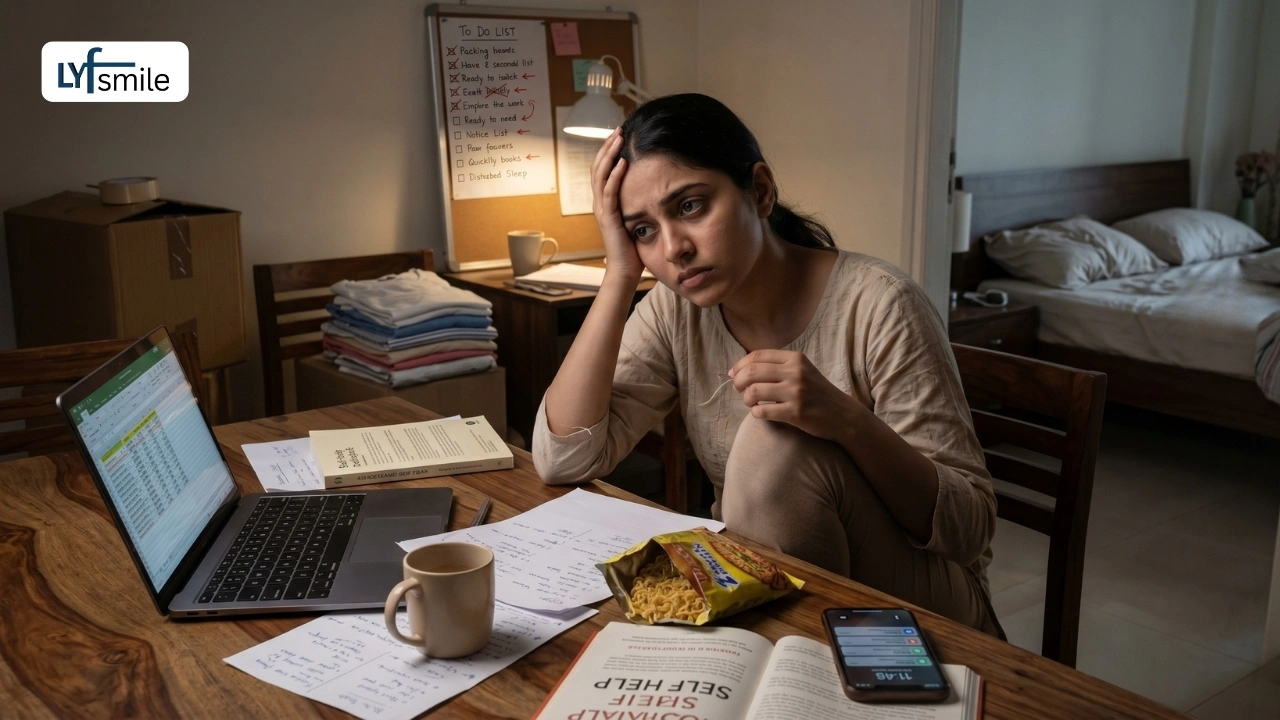 Anxiety symptoms and warning signs do not always appear in obvious or predictable ways. For many individuals, anxiety shows up suddenly during normal daily activities, often without a clear reason. Because symptoms may come and go, people often dismiss them as stress or tiredness.
Over time, however, unaddressed anxiety can gradually develop into a more serious anxiety disorder, quietly affecting emotional well-being, confidence, relationships, and daily functioning. Recognising the early signs of anxiety disorder in adults is the first step toward getting the right support.
Emotional and Mental Signs
Persistent overthinking or constant worry, even when things seem fine
Feeling tense, restless, or unable to relax are common signs of restlessness and anxiety
Sudden waves of fear, nervousness, or discomfort without a clear trigger
Irritability, emotional overwhelm, or feeling constantly on edge
Difficulty concentrating, making decisions, or completing routine tasks
Avoiding social situations or activities due to fear is a key sign of social anxiety
Physical Signs
Racing heart, chest tightness, or pressure requiring anxiety and chest tightness treatment
Shortness of breath or shallow breathing
Sweating, trembling, or feeling physically uneasy
Muscle tension, headaches, or unexplained body aches
Digestive discomfort, such as nausea or stomach issues
Anxiety causes sleep problems, such as trouble falling asleep or waking up tired
When these physical symptoms of anxiety appear without warning, many people try to push through alone. Ignoring anxiety can cause symptoms to become more frequent or intense over time. Recognising how anxiety affects both the body and mind is an important step toward seeking professional online anxiety counselling and learning healthier ways to manage these feelings.
How Online Therapy Helps You Manage Anxiety Step by Step
Managing anxiety with professional help becomes significantly easier when you have structured guidance and practical tools. Online therapy for anxiety disorders provides a clear and supportive process that helps individuals understand their anxiety and gradually build better emotional control.
Step 1: Understanding Your Anxiety The first step involves talking about your symptoms, triggers, and experiences. This helps your online psychologist for anxiety understand how anxiety affects your thoughts, emotions, and daily life.
Step 2: Identifying Thought Patterns Overthinking and anxiety therapy begin with recognizing repetitive negative thoughts or fears about the future. Therapy helps you understand how these patterns influence your feelings and behaviour.
Step 3: Learning Coping Techniques You are guided through practical anxiety coping strategies, breathing exercises, grounding techniques, and relaxation methods that help calm the body during anxious moments.
Step 4: Changing Unhelpful Behaviours. Avoidance and overthinking make anxiety stronger over time. Behavioural therapy for anxiety supports you in gradually facing fears, building confidence, and responding to stress in healthier ways.
Step 5: Building Emotional Regulation Skills. Emotional regulation therapy online focuses on improving emotional awareness and control, helping you respond to situations with greater balance instead of panic or fear.
Step 6: Maintaining Long-Term Progress. As anxiety reduces, therapy helps you develop routines and mental habits that prevent symptoms from returning and support long-term emotional stability.
With consistent online anxiety counselling from home, individuals learn to manage anxiety step by step, gaining clarity, confidence, and a stronger sense of control.
Not sure where to begin? Fill out our quick confidential form and we will connect you with the right therapist.
Benefits of Online Therapy for Anxiety
Living with anxiety can make even simple tasks feel overwhelming. Online therapy offers a convenient and effective way to receive professional support without disrupting your daily routine. Here are some of the key benefits of online therapy for anxiety:
Access to Professional Support from Home
Online therapy allows individuals to connect with experienced anxiety therapists from the comfort and privacy of their homes. There is no need to travel or wait for appointments, making therapy more accessible and convenient.
Greater Flexibility and Convenience
With flexible scheduling options, online counselling sessions can fit around work, studies, or family responsibilities. This makes it easier to maintain consistency, which is essential for long-term anxiety management.
Effective for Managing Anxiety Symptoms
Research has shown that evidence-based approaches such as Cognitive Behavioral Therapy (CBT) delivered online can be highly effective in reducing anxiety symptoms. Therapy helps individuals understand their triggers, manage overthinking, and develop healthier coping strategies.
Increased Privacy and Comfort
Many people feel more comfortable discussing personal concerns in familiar surroundings. Online therapy provides a confidential and secure environment where individuals can speak openly without fear of judgment.
Affordable Mental Health Support
Compared with traditional in-person sessions, online therapy often provides a more affordable option for those seeking professional help. This makes ongoing support accessible to students, working professionals, and individuals with busy lifestyles.
Consistent Support Regardless of Location
Whether you live in Delhi, Mumbai, Bangalore, Hyderabad, Chennai, Pune, Kolkata, or any other city in India, online anxiety counselling ensures that professional support is available wherever you are.
Builds Long-Term Emotional Resilience
Online therapy focuses not only on reducing symptoms but also on developing emotional awareness, stress-management skills, and healthy thought patterns. These tools help individuals manage future challenges with greater confidence and emotional balance.
Online therapy for anxiety combines accessibility, flexibility, and evidence-based treatment, making it an effective option for individuals seeking professional support. With regular sessions and the right guidance, people can learn to manage anxiety, improve emotional well-being, and build lasting resilience
Online Anxiety Disorder Treatment in India: What to Expect
Anxiety can affect thoughts, emotions, physical sensations and everyday functioning. An online mental health professional can discuss your symptoms, understand how they affect your daily life and determine what type of support may be appropriate. Depending on the concern, therapy may involve approaches such as CBT, behavioural techniques, mindfulness-based strategies or emotional regulation skills.
Therapy Techniques for Anxiety Used at Lyfsmile
Therapy techniques for anxiety focus on understanding the connection between thoughts, emotions, and physical reactions. Mrs Tanya Sachdev uses structured, evidence-based approaches that help individuals gain control over anxious patterns and build healthier emotional responses.
Cognitive Behavioral Therapy (CBT) for anxiety online is one of the most clinically proven approaches available. She helps individuals identify negative thought patterns that trigger anxiety, such as worst-case thinking or constant self-doubt. Through guided exercises, clients learn how to question these thoughts and replace them with more balanced ones. Online CBT therapy in India through Lyfsmile makes this accessible from anywhere in the country.
Mindfulness-Based Techniques Mindfulness therapy for anxiety involves simple grounding exercises that calm the mind during moments of panic or overthinking. These techniques help clients stay present instead of getting caught in future-focused worries and are especially effective for generalised anxiety disorder online therapy.
Emotion Regulation Strategies. She works with clients to recognise early emotional signs of anxiety and understand how their bodies react to stress. Practical tools are introduced to slow down intense emotional reactions, making emotional regulation therapy online both practical and sustainable.
Behavioural Techniques. If anxiety leads to avoidance of certain situations, behavioural therapy for anxiety gradually helps clients face those fears in small, manageable steps. This is particularly effective for panic attack treatment online in India and social anxiety online therapy.
Building Long-Term Emotional Resilience Through Therapy
Emotional resilience is the ability to cope with stress, adapt to challenges, and recover from emotional setbacks without feeling overwhelmed. Rather than offering short-term relief, managing anxiety with professional help focuses on creating lasting emotional strength and stability.
Lyfsmile online anxiety therapy helps build long-term emotional resilience by:
Improving self-awareness and understanding of emotional triggers
Teaching practical anxiety coping strategies to manage stress
Strengthening emotional regulation during difficult situations
Helping individuals respond calmly instead of reacting impulsively
Building confidence in handling uncertainty and chronic anxiety
Supporting healthier thought patterns and decision-making
Encouraging consistency and emotional balance over time
Through regular online therapy sessions for anxiety, individuals learn to navigate challenges with greater clarity. As resilience grows, anxiety without reason becomes more understandable, emotional setbacks feel less overwhelming, and daily life feels more balanced.
Why Choose Lyfsmile for Online Anxiety Therapy in India
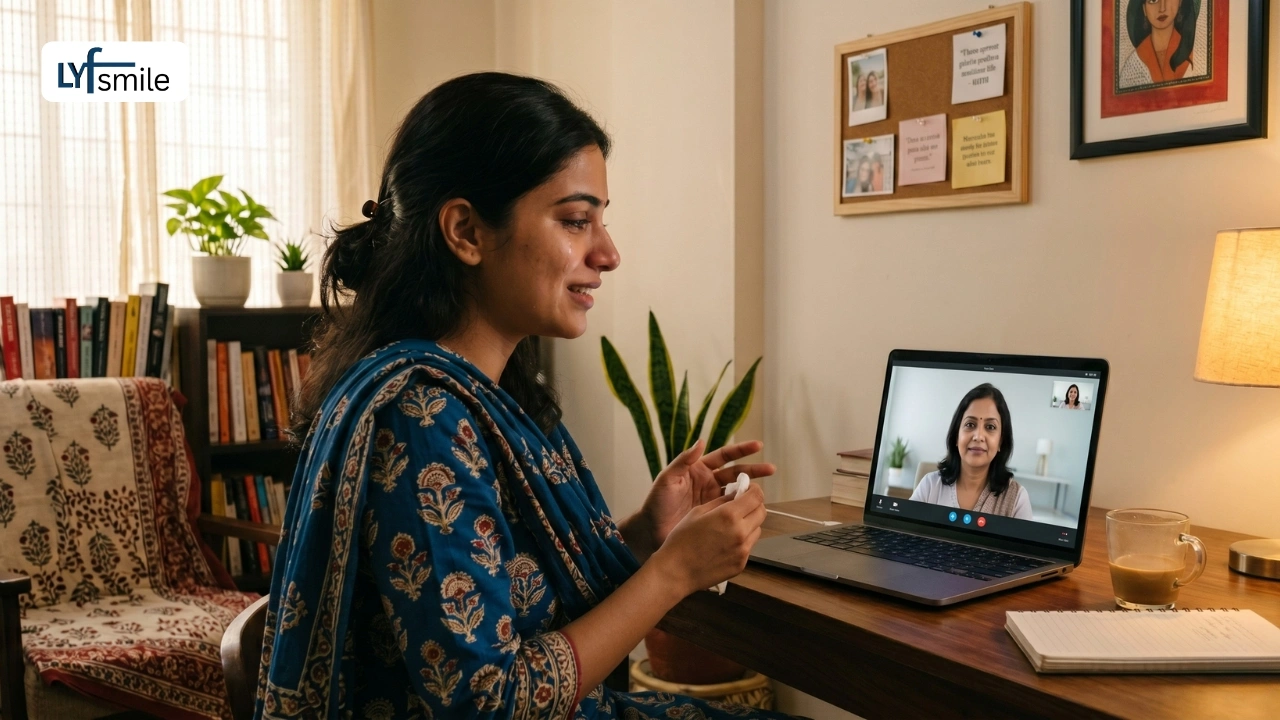 People across India, from Delhi, Mumbai, Bangalore, Hyderabad, Pune, Chennai, Kolkata, and beyond, choose Lyfsmile affordable therapy when they are ready to get serious about managing their anxiety with the right professional support.
What makes Lyfsmile the right choice:
Certified professionals: RCI-registered, internationally trained therapists with 15+ years of experience among the best online therapists for anxiety in India
Truly affordable: Online therapy at ₹30 per minute, making low-cost online therapy in India genuinely accessible
Student support: ₹10 per minute for students and unemployed individuals, the most budget-friendly online counselling in India
Completely online: Private online therapy for anxiety from home, on a secure online therapy platform
Flexible scheduling: Morning, evening, and weekend slots available
Confidential: Everything you share stays completely private
Hindi and English: Speak in the language that feels most natural
Whether you are looking for an affordable online therapist for anxiety in India, virtual anxiety counselling, cheap online psychologist support, or video therapy for anxiety, Lyfsmile psychologist online team provides consistent, professional, affordable mental health support in India that fits your life and your budget.
Call us at +91 9804791047 or book your online therapy session today.
Living with anxiety can feel exhausting, but you don't have to manage it alone. With professional guidance, evidence-based techniques, and consistent support, it is possible to regain emotional balance and feel more in control of your life. Whether you are experiencing persistent worry, panic attacks, or stress-related anxiety, starting therapy early can make a meaningful difference.
At Lyfsmile, experienced therapists provide confidential and affordable online therapy for anxiety across India, helping individuals build healthier coping skills and long-term emotional resilience.
Book your free 15-minute consultation today. No pressure. Just the right support, at the right price.
Frequently Asked Questions
What are the early signs of anxiety in adults and teenagers?
Early anxiety symptoms and warning signs include constant worry, restlessness, irritability, difficulty concentrating, sleep problems, and physical symptoms such as a racing heart or stomach discomfort. Recognising these signs of anxiety disorder in adults early helps in seeking timely support before anxiety begins to seriously interfere with daily life.
Can online therapy effectively reduce anxiety symptoms?
Yes. Online therapy for anxiety disorders is just as effective as in-person therapy when guided by trained professionals. Structured sessions help individuals understand triggers, manage anxious thoughts, and build coping strategies. Lyfsmile online anxiety therapy provides access to experienced therapists who specialise in anxiety disorder treatment online through confidential, affordable counselling.
Can online therapy help with anxiety?
Online therapy may help people understand anxiety triggers, manage unhelpful thought patterns and develop coping strategies. The appropriate approach depends on the person's symptoms and needs.
Is online anxiety counselling available in India?
Yes, online counselling is available across many parts of India, depending on the therapist and service arrangement.
How much does anxiety therapy cost in India?
Costs vary by therapist, session duration and provider. At Lyfsmile, online sessions start from ₹30 per minute.
What techniques are used for anxiety therapy?
Depending on the individual's needs, a therapist may use approaches such as CBT, behavioural techniques, mindfulness-based strategies and emotional regulation techniques.
When should I seek professional help for anxiety?
Consider professional support when anxiety is persistent, overwhelming, or starts affecting sleep, relationships, work, studies or everyday activities.