

Yakshi
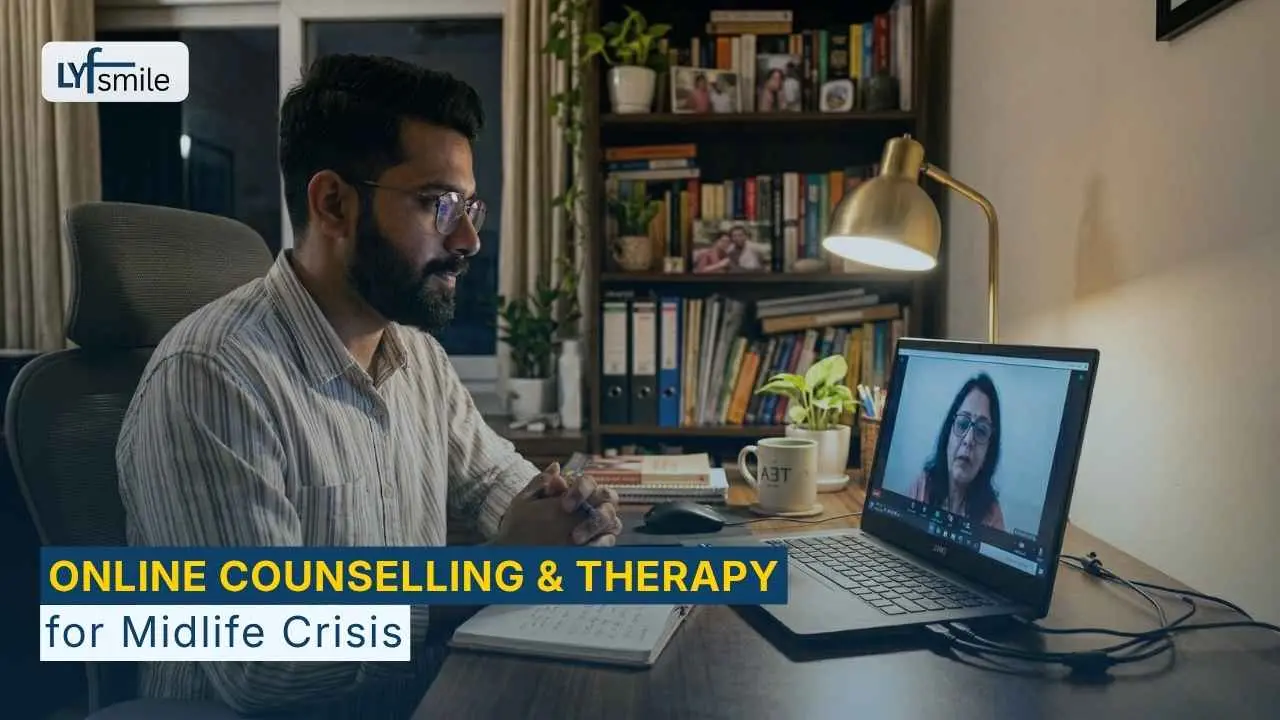
Online Counselling & Therapy for Midlife Crisis
Midlife is often seen as a stable phase, but for many, it brings deep questioning, emotional shifts, and a sense of lost direction - commonly known as a midlife crisis. Today, how people handle this phase is changing. With the rise of digital mental health services, online counselling offers a practical way to gain clarity and support without disrupting daily life.
You can connect via video call or phone call at your convenience, choose flexible scheduling, and access experienced, verified and top-rated therapists, best counsellors/ psychologists and mental wellness coaches tailored to your needs for online counselling for midlife crisis.
Instead of dealing with these challenges alone, more individuals are choosing such options to better understand their emotions and navigate this transition with greater awareness.
Let’s understand the Meaning of Midlife Crisis: Effects on life
A midlife crisis is a psychological transition, typically between ages 40 and 60, when individuals reassess their identity, purpose, and life achievements. However, this phase is increasingly seen earlier, sometimes in the late 20s to late 30s, often referred to as an early midlife crisis. It reflects similar patterns of self-doubt, comparison, and questioning life direction, but is influenced by modern pressures like career uncertainty, social comparison, and fast-paced life changes.
It is not always a “crisis,” but more often a natural phase of reflection and transition, sometimes linked to a temporary dip in life satisfaction before it improves later in life.
Key Signs and Effects of Midlife Crisis
Existential thinking
A growing tendency to question life’s purpose, achievements, and direction. Thoughts like “Is this all there is?” or “What have I really done with my life?” become more frequent.Emotional shifts
Persistent feelings of restlessness, irritability, or emptiness-even when life appears stable. There may be a disconnect between external success and internal satisfaction.Nostalgia & regret
Increased focus on the past, often idealising younger years or dwelling on missed opportunities, unrealised dreams, or different life choices.Impulsive urges
A strong desire to make sudden, sometimes drastic changes-switching careers, ending relationships, or adopting entirely new lifestyles-to regain a sense of control or excitement.Aging awareness
Heightened sensitivity to physical ageing - wrinkles, energy decline, health concerns-often triggering anxiety about time, attractiveness, or mortality.
Additional Signs to Look For
Loss of identity: Feeling unsure beyond roles like parent, partner, or professional.
Comparison with others: Constantly feeling behind or inadequate compared to peers.
Low motivation: Losing interest in work, goals, or daily activities.
Relationship dissatisfaction: Emotional distance or questioning long-term relationships.
Fear of time running out: Feeling pressure to “fix” life quickly.
Risk-taking behavior: Sudden urge for impulsive or unusual decisions.
Withdrawal: Avoiding social interactions and isolating oneself.
The 6 Stages of a Midlife Crisis
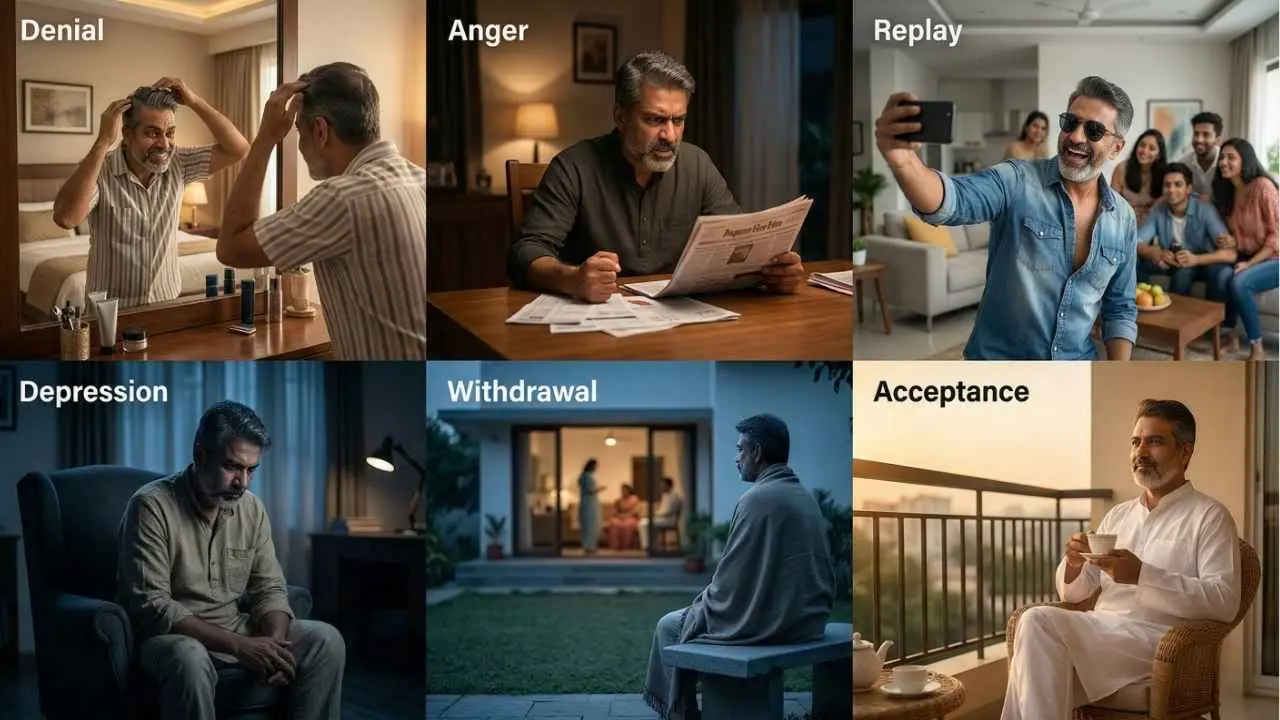 The midlife crisis does not follow a fixed order. People may skip stages, repeat them, or experience more than one at the same time.
1. Denial: A person tries to ignore ageing by focusing on looking younger or making sudden appearance changes.
2. Anger: Frustration builds about ageing, career limits, or life dissatisfaction, often leading to blame toward others.
3. Replay: There is an attempt to relive youth through impulsive decisions, lifestyle changes, or seeking younger social circles.
4. Depression: When excitement fades, feelings of emptiness, sadness, and loss of purpose may appear.
5. Withdrawal: The person may pull back from social life and responsibilities, preferring isolation and reflection.
6. Acceptance: Eventually, there is acceptance of aging and life stage, with a focus on new goals and meaningful direction.
What Triggers a Midlife Crisis?
A midlife crisis is often linked to age, but it is rarely caused by aging alone. Instead, it tends to emerge from a combination of biological changes and major life transitions that push individuals to rethink their identity, choices, and future.
Biological Factors
Physical changes during midlife can strongly influence emotions and self-perception:
Hormonal changes: Shifts in hormones directly affect mood, energy, and mental stability.
Menopause & perimenopause (women): A decline in estrogen can lead to mood swings, sleep issues, and emotional sensitivity.
Testosterone decline (men): A gradual reduction in testosterone may result in fatigue, lower motivation, and changes in mood.
Visible ageing: Signs like wrinkles, grey hair, or reduced stamina can act as constant reminders of ageing, increasing awareness of limited time.
Major Life Transitions
Real-life responsibilities and changes often act as immediate emotional triggers:
Empty nest phase: When children leave home, individuals may feel a loss of purpose or direction.
Caring for ageing parents: Balancing responsibilities across generations can create emotional and mental strain.
Loss and grief: The death of parents or peers can intensify awareness of one’s own life stage.
Relationship challenges: Marital dissatisfaction or divorce often surfaces during this period of reflection.
Psychological & Social Factors
Internal thoughts and societal influences also play a key role:
Career stagnation: Feeling stuck or unfulfilled in work can trigger dissatisfaction.
Gap between expectations and reality: Comparing current life with earlier dreams may lead to regret or disappointment.
Identity shift: Moving from external achievement to internal fulfilment can feel confusing or unsettling.
Social pressure around ageing: Cultural emphasis on youth can make ageing feel like a loss rather than a transition.
10 Common Myths and Realities About Midlife Crisis
Myth: It only happens in your 40s or 50s
Reality: It can occur earlier or later. It’s more about life stage and personal transitions than a fixed age.Myth: Everyone goes through a midlife crisis
Reality: Not everyone experiences it as a crisis; many go through midlife as a period of growth or stability.Myth: It’s all about reckless decisions and big purchases
Reality: Most experiences are internally marked by self-reflection, emotional shifts, and questioning life choices.Myth: It means you’ve failed in life
Reality: It often signals awareness and a desire for change, not failure.Myth: Only unhappy or unsuccessful people face it
Reality: Even successful individuals can feel unfulfilled or question their direction.Myth: It’s just a phase to ignore
Reality: It’s better understood as a signal to reflect and realign priorities.Myth: It always leads to drastic changes
Reality: Many people navigate it through small, meaningful adjustments rather than extreme decisions.Myth: It’s purely psychological
Reality: Biological factors (like hormonal changes) and life events also play a major role.Myth: You have to deal with it alone
Reality: Support systems and options like online counselling platforms such as Lyfsmile can provide guidance and clarity.Myth: A midlife crisis is always negative
Reality: While it can feel uncomfortable, it often becomes a turning point for personal growth, better self-awareness, and positive life changes.
Common Types of Midlife Transitions
The midlife crisis doesn’t look the same for everyone. It can appear in very different ways depending on a person’s life situation, emotional state, and the specific triggers behind their inner shift. For some, it shows up as deep questioning about career and purpose, while for others, it may be more related to relationships, identity, or physical changes. The intensity and expression of these feelings also vary; some people experience it as quiet internal confusion, while others go through noticeable lifestyle or behavioural changes.
Existential Crisis: Deep questioning about life’s meaning, purpose, ageing, and whether one has used their time well.
Career Crisis: Feeling stuck or unfulfilled at work, with concerns about relevance, success, or being replaced.
Relationship & Family Crisis: Triggered by changes like children leaving home, caregiving responsibilities, or emotional distance in relationships.
Physical & Biological Crisis: Linked to ageing and body changes, such as low energy or hormonal shifts, often leading to discomfort with growing older.
How It Can Differ Between People
Midlife experiences vary based on social roles and expectations.
Men Often focus on career success, status, and physical strength, which can lead to frustration if they feel less competitive or relevant.
Women often face identity-related questions, especially around family responsibilities, caregiving, and personal aspirations that may have been delayed or sacrificed.
Therapies for Midlife Crisis
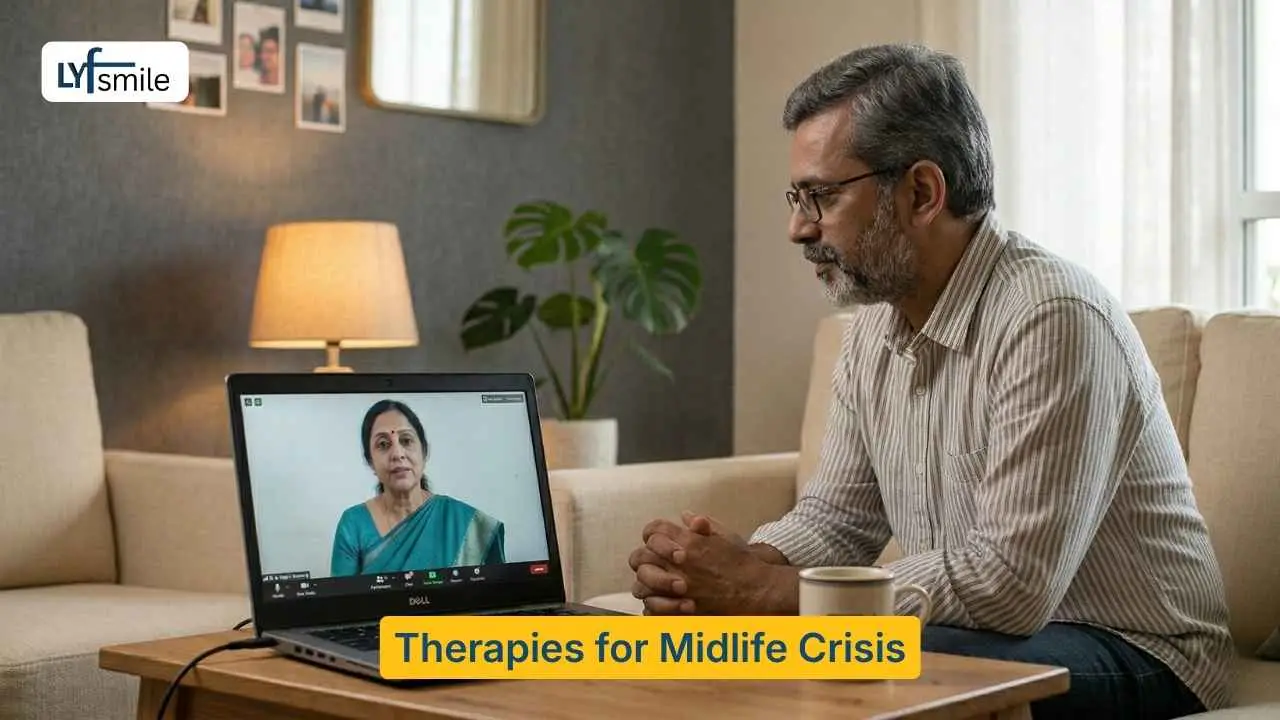 Midlife crisis is best addressed through structured psychological support that helps individuals rebuild clarity, emotional balance, and life direction.
Cognitive Behavioral Therapy (CBT)
Focuses on identifying and challenging distorted thoughts such as “I’ve wasted my whole life” or extreme thinking patterns about ageing, success, and self-worth.
Acceptance & Values-Based Therapy
Helps individuals accept natural life changes like ageing or shifting roles, while reconnecting with core values to rebuild direction and meaning.
Existential Psychotherapy
Addresses deeper life concerns such as purpose, freedom of choice, mortality, and the search for meaning during midlife reflection.
Psychodynamic (Depth) Therapy
Explores unresolved childhood experiences and unconscious emotional patterns that may resurface during midlife and influence current behavior and identity.
Trauma-Focused Therapy
Used when midlife distress is linked to past trauma or significant losses. Approaches like EMDR or TF-CBT help process emotional pain and reduce its impact.
Couples & Family Counseling
Supports relationship adjustment during midlife changes such as empty nest syndrome, shifting responsibilities, or emotional distance, improving communication and connection.
Role of Online Counselling in Midlife Crisis
1. Helps in Understanding Emotional Confusion: Midlife often brings mixed emotions, regret, fear, dissatisfaction, or even sudden restlessness. Online counselling provides a safe space where individuals can openly express these thoughts without judgment. It helps them make sense of questions like “Is this normal?” or “Why do I suddenly feel this way?”
2. Supports Identity Rebuilding: During midlife transitions, people often feel like they are “not who they used to be.” Counselling helps in rebuilding identity by exploring personal values, achievements, and future goals. It shifts focus from “lost time” to “remaining possibilities.”
3. Provides Clarity in Decision-Making: Whether it’s changing a career, improving relationships, or making lifestyle shifts, confusion is common. A counsellor helps break down overwhelming thoughts into practical steps, making decisions feel less emotionally driven and more structured.
4. Normalizes the Experience: One of the biggest roles of counselling is reassurance. Many people believe they are “falling apart,” when in reality, they are experiencing a normal psychological transition. Counselling helps normalize existential doubts, career dissatisfaction, and emotional shifts.
5. Offers Flexible Support Access: Online counselling removes barriers like location, time constraints, or hesitation to visit a clinic. This makes it easier for individuals in busy careers or family roles to seek help privately and consistently.
Benefits of Online Counselling for Midlife Crisis
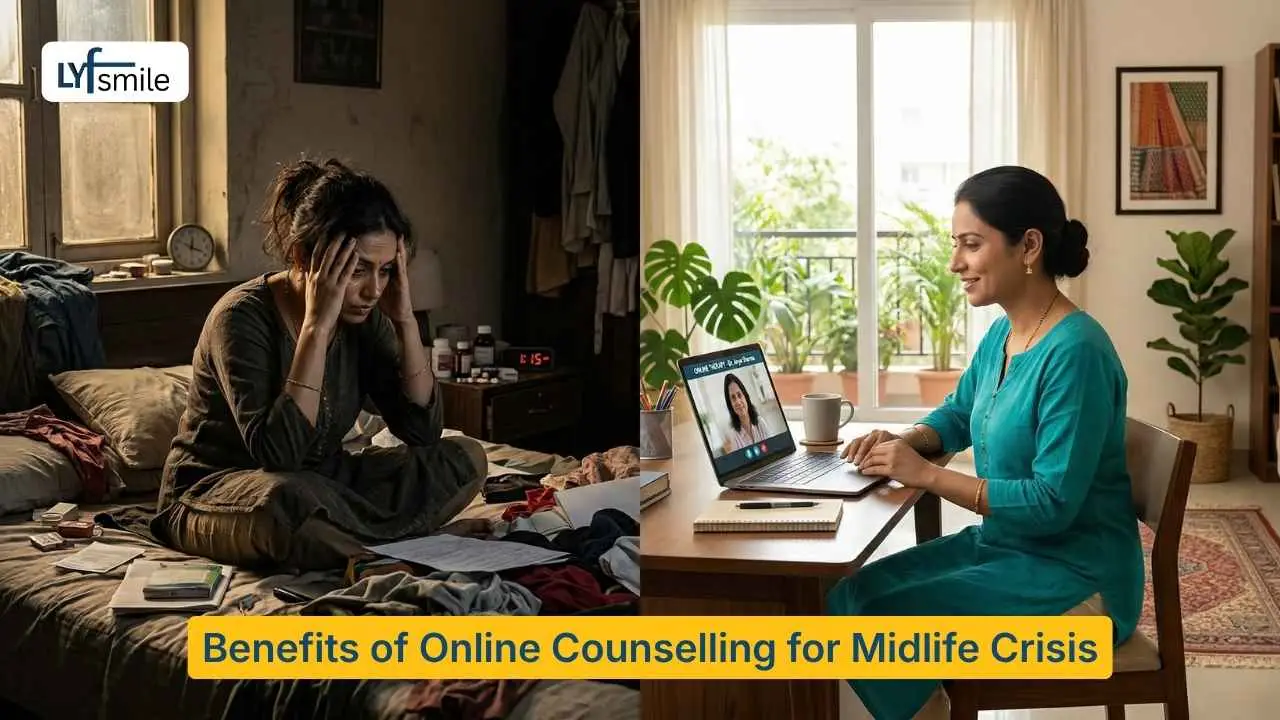 1. Emotional Stability and Relief: Talking through inner conflicts reduces emotional pressure. Many individuals feel immediate relief after expressing thoughts they have been suppressing for years.
2. Better Self-Awareness: Counselling helps individuals recognise patterns, such as burnout, dissatisfaction in relationships, or identity loss. This awareness is the first step toward change.
3. Improved Relationships: When personal confusion reduces, communication with partners, children, or colleagues improves. It becomes easier to express needs instead of reacting emotionally.
4. Reduced Anxiety About Ageing and Future: Concerns about ageing, missed opportunities, or career relevance are common in midlife crisis. Counselling helps reframe these fears into acceptance and forward planning.
5. Personalized Coping Strategies: Instead of generic advice, online counselling offers tailored coping tools-whether it’s stress management techniques, cognitive reframing, or goal restructuring.
6. Privacy and Comfort: Many individuals avoid seeking help due to stigma. Online counselling offers privacy, allowing people to open up more freely from their own space.
Conclusion
A midlife crisis is a natural emotional transition rather than a sudden breakdown. It is shaped by changes in the body, life responsibilities, and inner thoughts about identity and purpose. While it can feel overwhelming, it also becomes a turning point where individuals begin to reassess their lives and choices.
In this phase, online counselling for midlife crises, including support platforms, can play an important role by providing a safe space to express emotions, understand personal struggles, and gain clarity. Platforms like Lyfsmile are one of the best platforms for 24/7 online counselling for midlife crises in India and worldwide, offering affordable support with verified and certified clinical psychologists.
With proper guidance and support, individuals can move from confusion to acceptance, leading to greater emotional balance, self-awareness, and a more meaningful direction forward.
FAQs: Online Counselling for Midlife Crisis
1. What is online counselling for midlife crisis?
It is professional therapy provided online to help individuals manage emotional, psychological, and life transition challenges during midlife.
2. How does Lyfsmile online counselling work?
Lyfsmile connects you with certified psychologists and counsellors through video or phone calls at your preferred time, offering flexible and private support to address anxiety, career changes, depression and relationship issues.
3. Is online counselling effective for midlife crisis?
Yes, online counseling is effective for many people. It helps improve emotional clarity, reduce stress, and support better decision-making during life transitions.
4. How do I know if I need counseling for a midlife crisis?
If you feel stuck, confused, emotionally low, or frequently question your life choices and purpose, counseling can help you gain clarity and direction.
5. Is online counselling private and affordable?
Yes, most platforms ensure complete privacy and offer affordable plans so you can access professional help comfortably from your own space.