

Silkey Goyal
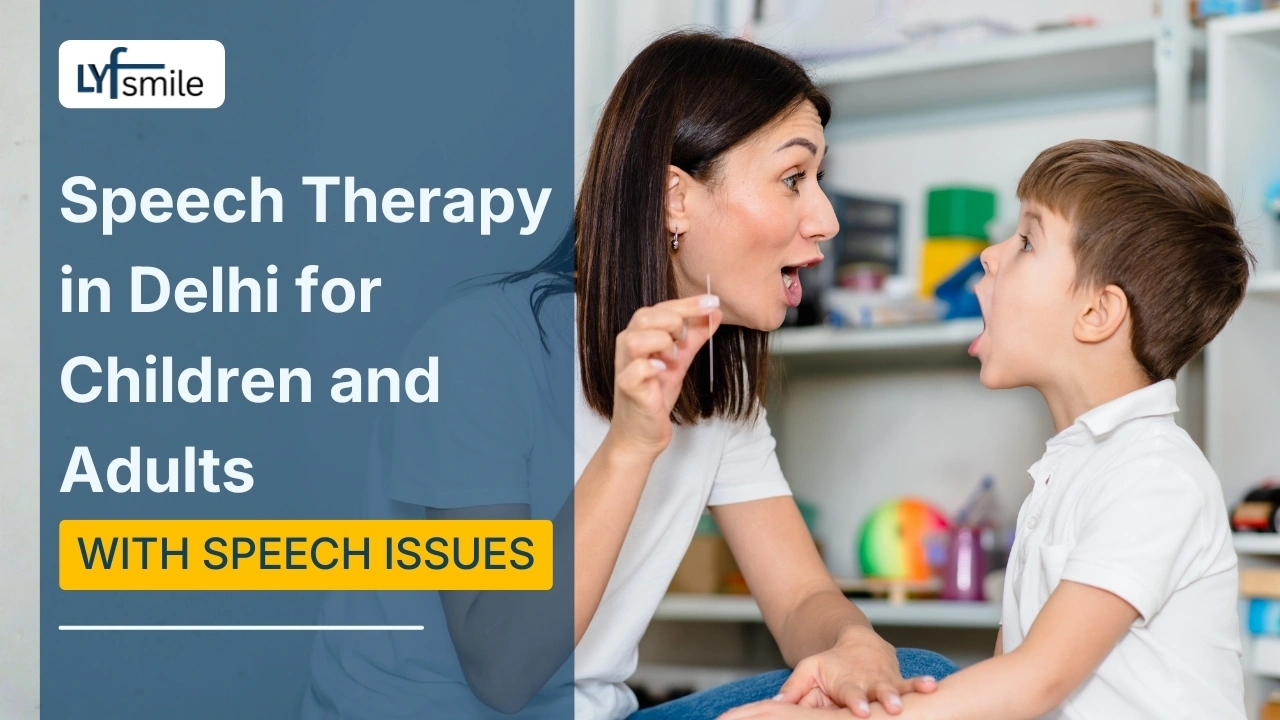
Speech Therapy in Delhi for Children and Adults with Speech Issues
Difficulty speaking clearly, delayed speech in children, stuttering, or communication problems can affect confidence and daily life. Speech therapy in Delhi helps children and adults improve speech clarity, language development, and communication skills through personalized treatment plans. Whether someone is experiencing speech delay, articulation problems, stammering, or language disorders, early intervention can significantly improve communication and overall quality of life.
From children with speech delay to adults with stuttering or voice disorders, speech therapy helps individuals overcome communication barriers. A trained speech therapist provides personalized guidance, targeted exercises, and structured strategies to improve speech clarity, pronunciation, and communication skills.
Parents searching for a Child Psychologist Near Me or Child Counseling in Delhi often seek early support to improve communication, confidence, and overall development.
Who Needs Speech Therapy?
Speech therapy is beneficial for people of all ages who experience difficulties with speech, language, voice, or communication. A qualified speech therapist in Delhi can assess the underlying cause and create a personalised treatment plan based on individual needs. Some of the common conditions that may require speech and language therapy include:
Children with Speech Delay
Children who are slow to develop speech and language skills may have difficulty pronouncing words, forming sentences, or expressing their thoughts. Early intervention helps improve language development and communication abilities. Along with speech therapy, Child Counseling can help children build confidence, reduce frustration, and communicate more comfortably in everyday situations.
Individuals with Stuttering
Stuttering or stammering affects the natural flow of speech and may cause repetitions, prolonged sounds, or pauses while speaking. Speech therapy focuses on improving fluency, confidence, and effective communication.
Children with Autism Spectrum Disorder
Many children with autism experience challenges with verbal communication, social interaction, and understanding language. Speech therapy helps develop expressive language, comprehension, and social communication skills. Depending on the child's developmental needs, Autism Therapy may also be recommended alongside speech therapy to strengthen communication, social interaction, and daily functioning.
Children with ADHD
Children with Attention-Deficit/Hyperactivity Disorder (ADHD) may struggle with listening skills, following instructions, and organising their thoughts during conversations. Speech therapy can support communication and improve language processing abilities.
Individuals with Cerebral Palsy
Cerebral palsy can affect the muscles involved in speaking, making speech unclear or difficult to understand. Speech therapists use specialised exercises to improve articulation, breathing control, and overall communication.
Children with Down Syndrome
Children with Down syndrome often experience delays in speech and language development. Early speech therapy can strengthen vocabulary, sentence formation, and social communication skills.
People with Voice Disorders
Voice disorders can cause hoarseness, vocal strain, or changes in pitch and quality of the voice. Speech therapy helps individuals develop healthy voice habits and improve vocal clarity.
Adults Recovering from Stroke or Neurological Conditions
Stroke, traumatic brain injuries, or neurological disorders may affect speech and language abilities. Speech therapy supports rehabilitation by helping individuals regain communication skills and improve daily functioning.
What are Speech and Communication Difficulties?
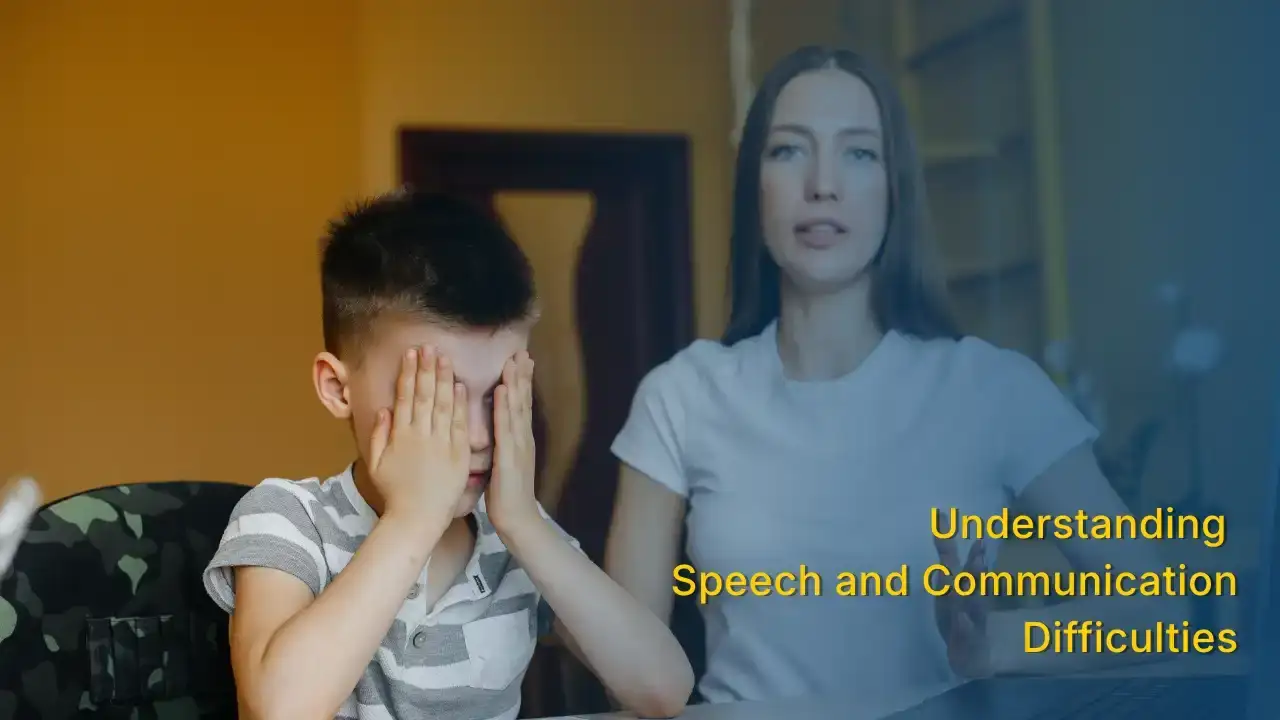 Speech and language difficulties can stem from a variety of causes, including developmental, neurological, or environmental factors. Some individuals may struggle with pronunciation, while others have trouble understanding or using language effectively.
For example, a child with a developmental disorder may face delays in speech acquisition, vocabulary growth, and sentence formation. Adults may develop speech challenges after a medical condition, injury, or prolonged voice misuse.
Speech therapy in Delhi helps identify these difficulties through detailed assessment and provides a structured approach to improving communication abilities. The therapy focuses on speech production, fluency, language comprehension, vocabulary building, and overall communication skills.
Speech Therapy for Children
 Children are most receptive to language learning in the early years. Any delay in speech or language development can affect a child’s academic performance, social interaction, and self-confidence. Child speech therapy provides structured support to help children overcome these challenges.
Children may require speech therapy if they:
Exhibit speech delay or late development of spoken language
Have difficulty pronouncing certain sounds (e.g., “r”, “s”, “th”)
Struggle with sentence formation or expressing ideas
Experience communication challenges linked to developmental disorders
Have a limited vocabulary compared to age-matched peers
Early speech therapy helps children strengthen language abilities that support learning, emotional expression, and social interaction.
Interactive Activities in Child Speech Therapy
To keep children engaged, therapists use play-based activities and interactive exercises. Some examples include:
Sound repetition exercises for improving articulation
Vocabulary-building activities using flashcards, pictures, or storytelling
Listening exercises to enhance comprehension and language processing
Social communication exercises, including conversation practice with peers
Game-based approaches to make learning fun and reinforce language development
These activities help children strengthen communication skills while boosting confidence in expressing themselves. Combining speech therapy with child counseling can also help children overcome frustration or anxiety linked to communication difficulties.
Role of Child Counseling
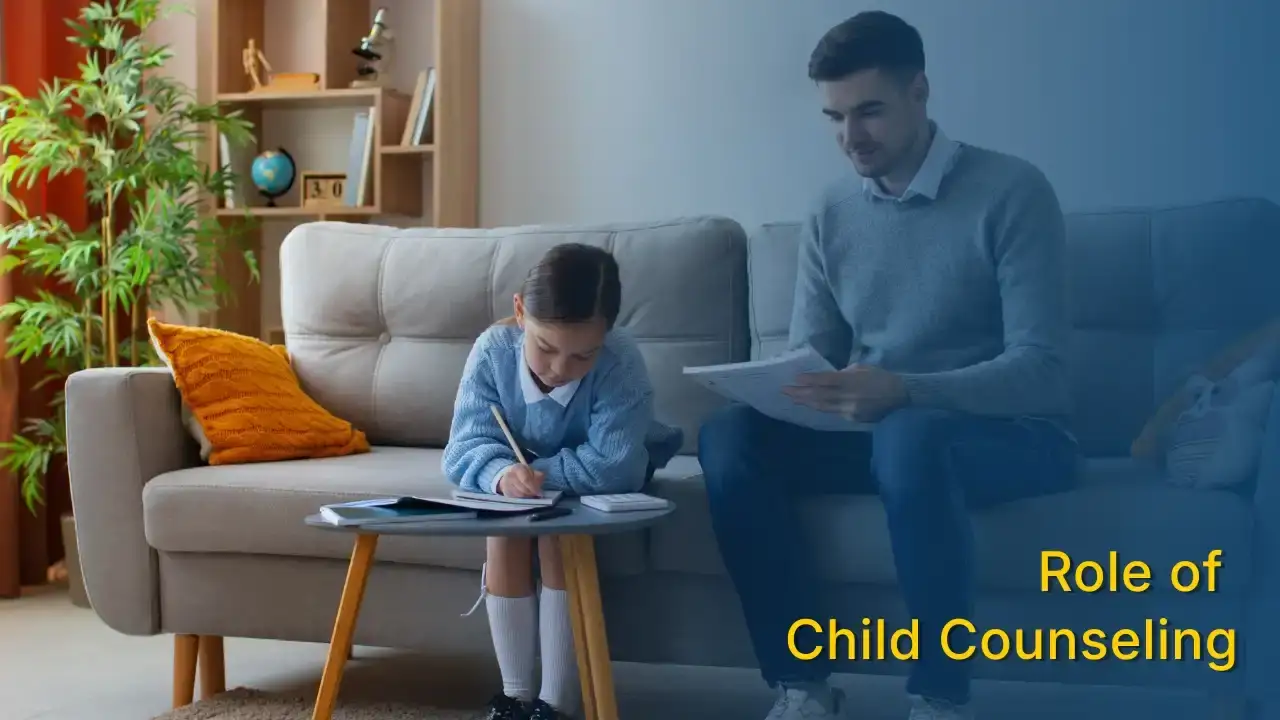 Child counseling is an important complement to speech therapy, especially for children facing emotional or social challenges due to speech difficulties. Children may experience embarrassment, frustration, or low self-esteem when they cannot communicate effectively with peers or adults.
Through counseling, children learn coping strategies, emotional expression, and confidence-building techniques. When combined with speech and language therapy, child counseling supports emotional growth and social development in children facing speech and language concerns.
Parents are encouraged to collaborate with therapists and counselors to reinforce techniques at home. Consistent practice and emotional support significantly improve therapy outcomes.
Speech Delay and Early Intervention
Speech delay is one of the most common reasons for seeking speech therapy in Delhi. Children with speech delay may have:
Limited vocabulary
Difficulty forming sentences
Problems pronouncing words clearly
Trouble understanding verbal instructions
Early intervention is key. Studies show that children who receive speech therapy during the formative years often catch up with their peers in terms of language development and communication skills.
Therapists may also support children with neurodevelopmental conditions and learning challenges using individualised therapy approaches.
Speech Therapy for Articulation Disorders
Articulation disorders occur when a person cannot produce specific sounds correctly, which makes speech unclear. These challenges may be present from childhood or persist into adulthood if left untreated.
A speech therapist uses targeted speech therapy exercises to improve sound production. For example:
Practising tongue placement for specific consonants
Using mirror exercises to visually correct speech patterns
Gradual repetition of words and sentences to improve fluency
Engaging activities that combine fun with learning
Correcting articulation disorders enhances speech clarity, boosts confidence, and reduces social anxiety caused by unclear communication.
Stuttering and Fluency Therapy
Stuttering is a speech fluency disorder where the normal flow of speech is interrupted by repetitions, prolongations, or pauses. Stuttering can affect individuals of all ages, causing stress and impacting social interactions.
Speech therapy for kids in Gurgaon provides strategies to manage stuttering effectively:
Breathing techniques to regulate airflow during speech
Slow speech exercises to improve rhythm and pacing
Fluency shaping through repetition and practice
Confidence-building activities for social situations
With consistent therapy, many individuals experience smoother speech and greater confidence in daily conversations.
Voice Disorders
Voice disorders impact the quality, pitch, or strength of the voice. Common issues include hoarseness, vocal fatigue, or unstable pitch. Adults who use their voice professionally, such as teachers or call center employees, are particularly at risk.
A speech therapist addresses these issues by:
Teaching proper vocal techniques
Improving breath support for speaking
Correcting strain patterns and unhealthy vocal habits
Using exercises to strengthen the vocal cords
Voice therapy helps adults speak more clearly and confidently while reducing discomfort during prolonged speaking.
Speech Therapy for Adults
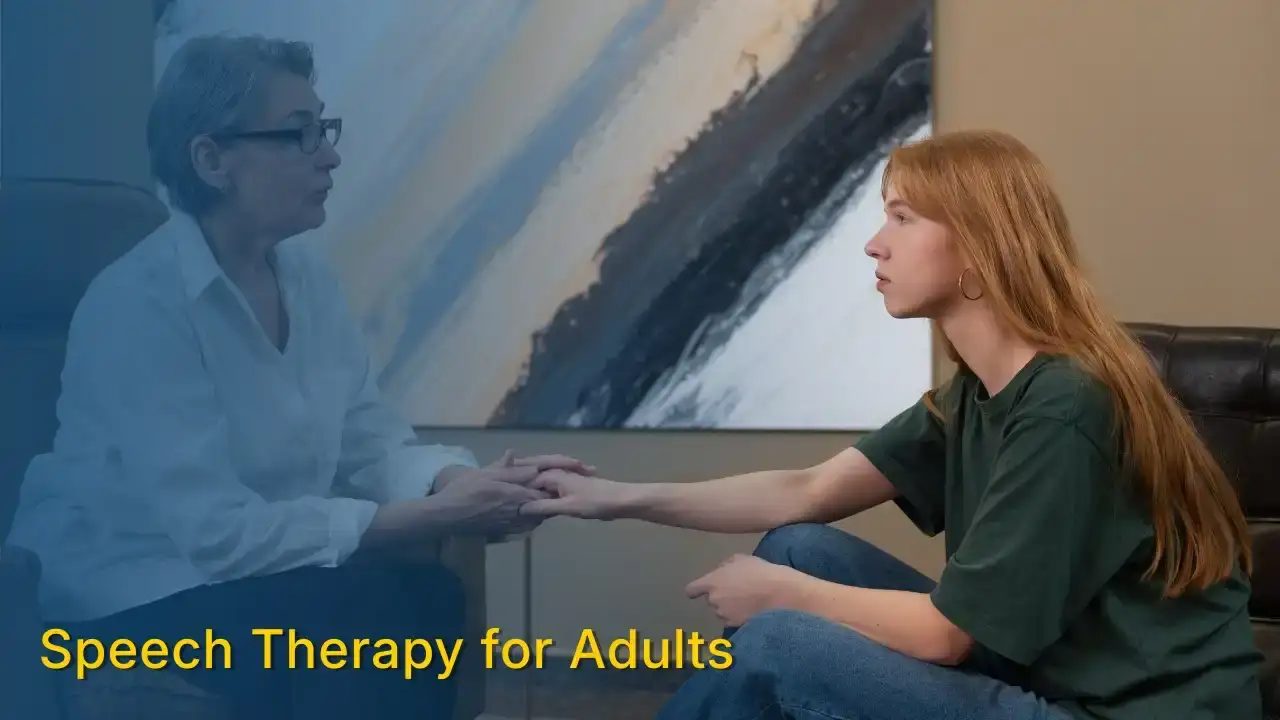 Speech challenges are not limited to children. Many adults seek speech therapy in Delhi for long-standing speech difficulties, post-stroke recovery, or voice problems.
Adults may experience:
Persistent stuttering
Difficulty with pronunciation or articulation
Voice disorders affecting work or social life
Challenges in public speaking
Speech issues after medical conditions or injuries
Adult speech therapy helps improve speech clarity, vocal strength, and confidence in social and professional settings. Therapy may involve repetition exercises, vocal strengthening, and fluency techniques tailored to the adult learner.
Supporting Individuals with Developmental Disorders
Individuals with developmental disorders often face unique challenges in speech and language. These may include delayed language development, difficulty understanding complex instructions, and challenges with social communication.
Speech therapy for individuals with developmental disorders focuses on:
Building vocabulary and sentence formation
Improving comprehension and listening skills
Encouraging functional communication in daily life
Social interaction skills to enhance peer relationships
When paired with child counseling, therapy also supports emotional regulation, coping strategies, and confidence in communication.
Supporting Individuals with Intellectual Disability
Children and adults with intellectual disability may require additional support for speech and language development. These individuals often experience difficulty with expressive language, sentence structure, and social communication.
Speech therapy in Delhi addresses these challenges by:
Teaching basic communication strategies for daily life
Using repetition and visual aids to reinforce learning
Improving speech clarity and vocabulary
Encouraging functional language use in real-life situations
Integrating therapy with child counseling can help manage frustration, develop confidence, and enhance social communication.
Assessment and Therapy Process
Before therapy begins, a speech therapist conducts a comprehensive evaluation to determine the individual’s needs. This assessment may include:
Observing speech clarity and articulation
Evaluating language development and comprehension
Assessing speech fluency and stuttering patterns
Analysing voice quality and breathing techniques
Evaluating social communication skills
Based on this assessment, a customised speech therapy plan is created. The plan may include weekly sessions, homework exercises, and progress monitoring to ensure improvements over time.
Long-Term Benefits of Speech Therapy
Consistent speech therapy provides significant improvements in speech, language, and communication. Benefits include:
Improved speech clarity and pronunciation
Stronger language development
Increased confidence in speaking
Better social communication skills
Improved academic and professional performance
For children with developmental disorders or intellectual disabilities, combined therapy with child counseling ensures holistic growth, including both communication and emotional development.
Supporting Therapy at Home
Family involvement is crucial for the success of speech therapy. Practising exercises at home reinforces techniques learned during therapy sessions.
Parents and caregivers can support progress by:
Encouraging regular conversations
Reading stories and asking questions to improve comprehension
Practising speech exercises recommended by the therapist
Providing a supportive and patient environment for communication
These strategies help children and adults gain confidence and improve functional communication skills.
Helping Children and Adults Communicate with Confidence
Speech difficulties can affect learning, relationships, confidence, and overall quality of life. Whether a child is experiencing speech delay or an adult is struggling with stuttering or voice problems, early intervention can make a significant difference. Speech therapy in Delhi provides personalised support to improve communication skills, language development, and social interaction, helping individuals communicate more confidently and participate fully in everyday life.
With guidance from a qualified speech therapist at Lyfsmile, individuals can improve speech clarity, language development, and communication skills. Integrating therapy with child counseling offers emotional support, building confidence and resilience alongside communication improvements.
Whether you are looking for Child Therapy Near Me or a trusted Best Child Psychologist in Delhi, early intervention can significantly improve communication, confidence, and long-term development.
Frequently asked questions!
Is speech therapy effective for children with speech delay?
Early speech therapy helps children improve pronunciation, vocabulary, and communication skills. Timely intervention often leads to better language development and academic outcomes.
At what age should a child start speech therapy?
Children can begin speech therapy as early as 18 months to 2 years if speech and language milestones are delayed. Early intervention usually provides better results.
Can speech therapy help adults with stuttering?
Yes, speech therapy helps adults manage stuttering through fluency techniques, breathing exercises, and communication strategies that improve confidence and speech clarity.
How many speech therapy sessions are usually needed?
The number of sessions varies depending on the severity of the condition and individual goals. Some people notice improvement within a few months, while others may require longer-term support.
Is speech therapy helpful for children with autism?
Yes, speech therapy can improve communication, language development, social interaction, and expressive skills in children with autism spectrum disorder.