

Silkey Goyal
Depression Treatment in Gurgaon: Signs, Support and Therapy
Depression does not always look dramatic. For many people in Gurgaon, it quietly shows up as emotional exhaustion, constant overthinking, loss of motivation, or disturbed sleep. Many individuals seeking depression treatment in Gurgaon spend months silently struggling without fully understanding what they are experiencing. In a fast-moving city filled with work pressure and burnout, emotional exhaustion can gradually affect daily life and relationships.
Seeking depression treatment in Gurgaon is not about weakness; it is about understanding what your mind and body have been trying to communicate for a long time. With the right support, therapy, and coping strategies, recovery becomes possible.
Common Symptoms of Depression
Depression symptoms can appear differently from person to person. Some individuals experience emotional numbness, while others struggle with constant overthinking, anxiety, or exhaustion that affects daily life.
Common signs that may indicate the need for depression treatment in Gurgaon include:
Persistent sadness or emotional emptiness
Loss of interest in activities once enjoyed
Constant fatigue or lack of motivation
Difficulty concentrating or making decisions
Sleep problems, insomnia, or oversleeping
Appetite and weight changes
Increased anxiety and overthinking
Irritability or emotional withdrawal
Feeling hopeless, guilty, or emotionally disconnected
Reduced work productivity and burnout
In many cases, these symptoms gradually become more intense when ignored for long periods. Seeking early mental health support in Gurgaon can help individuals manage emotional struggles before they begin affecting relationships, work performance, and physical well-being.
Types of Depression
Major Depression
Persistent Depressive Disorder (PDD)
Anxiety and Depression
Situational Depression
Burnout-Related Depression
Depression in Teenagers and Students
Seasonal Affective Disorder (SAD)
Postpartum Depression
Bipolar Depression
High-Functioning Depression
Depression Is More Than Just Feeling Sad
 Depression is more than feeling low for a few days. It can affect emotions, energy levels, concentration, sleep, relationships, and daily functioning. Some people experience intense sadness, while others feel emotionally numb or disconnected from life.
Common symptoms may include:
Constant fatigue or low energy
Loss of interest in daily activities
Difficulty concentrating
Changes in appetite or sleep
Feelings of hopelessness or guilt
Emotional withdrawal from friends or family
Irritability and frustration
Increased anxiety or overthinking
Many individuals searching for depression counselling in Gurgaon often ignore these signs for months, believing stress will eventually pass on its own.
Why Depression Is Increasing in Urban Cities Like Gurgaon
Modern urban lifestyles can contribute significantly to emotional burnout. Long work hours, social isolation, financial pressure, relationship challenges, and lack of work-life balance are common triggers.
In Gurgaon, especially, professionals dealing with corporate stress often experience:
Chronic mental exhaustion
Sleep imbalance
Workplace anxiety
Emotional burnout
Social isolation despite busy surroundings
Over time, untreated stress can gradually turn into depression.
This is why early mental health support in Gurgaon becomes important before symptoms begin affecting physical health, productivity, and personal relationships.
When Should You Seek Depression Treatment?
Many people wait until their emotional state becomes overwhelming before asking for help. However, early intervention often leads to better emotional recovery.
You should consider seeking therapy for depression in Gurgaon if:
Low mood continues for more than two weeks
Daily responsibilities feel emotionally draining
Anxiety and sadness are affecting work or relationships
You constantly feel emotionally disconnected
Sleep and eating patterns have changed significantly
Negative thoughts feel difficult to control
Professional therapy provides a safe and structured environment where individuals can understand emotional triggers and develop healthier coping mechanisms.
Types of Depression Therapy Available
Different individuals require different approaches depending on the severity and nature of symptoms. A qualified depression therapist in Gurgaon may recommend one or a combination of the following approaches:
Cognitive Behavioural Therapy (CBT)
Cognitive Behavioural Therapy (CBT) helps individuals identify negative thought patterns and replace them with healthier behavioural responses. It is commonly used for depression, anxiety, panic attacks, and stress-related concerns.
Talk Therapy and Emotional Support
Some individuals benefit from structured conversations that help them process unresolved emotions, trauma, grief, or emotional pressure.
Stress and Burnout Counseling
For professionals experiencing workplace exhaustion, therapy focuses on emotional regulation, stress management, and restoring balance.
Relationship and Family Counseling
In some situations, depression may be connected to unresolved relationship conflicts or family stress. Relationship counseling in Gurgaon can help improve emotional communication and reduce emotional strain.
How Online Therapy Is Helping More People
Many individuals now prefer online psychologist consultation because it removes common barriers associated with therapy.
Online sessions offer:
Greater privacy and comfort
Flexible scheduling
Access from anywhere in India
Reduced travel stress
Easier continuity of care
For people struggling with anxiety, low motivation, or emotional burnout, online therapy often feels more accessible and less intimidating.
Choosing the Right Depression Therapist in Gurgaon
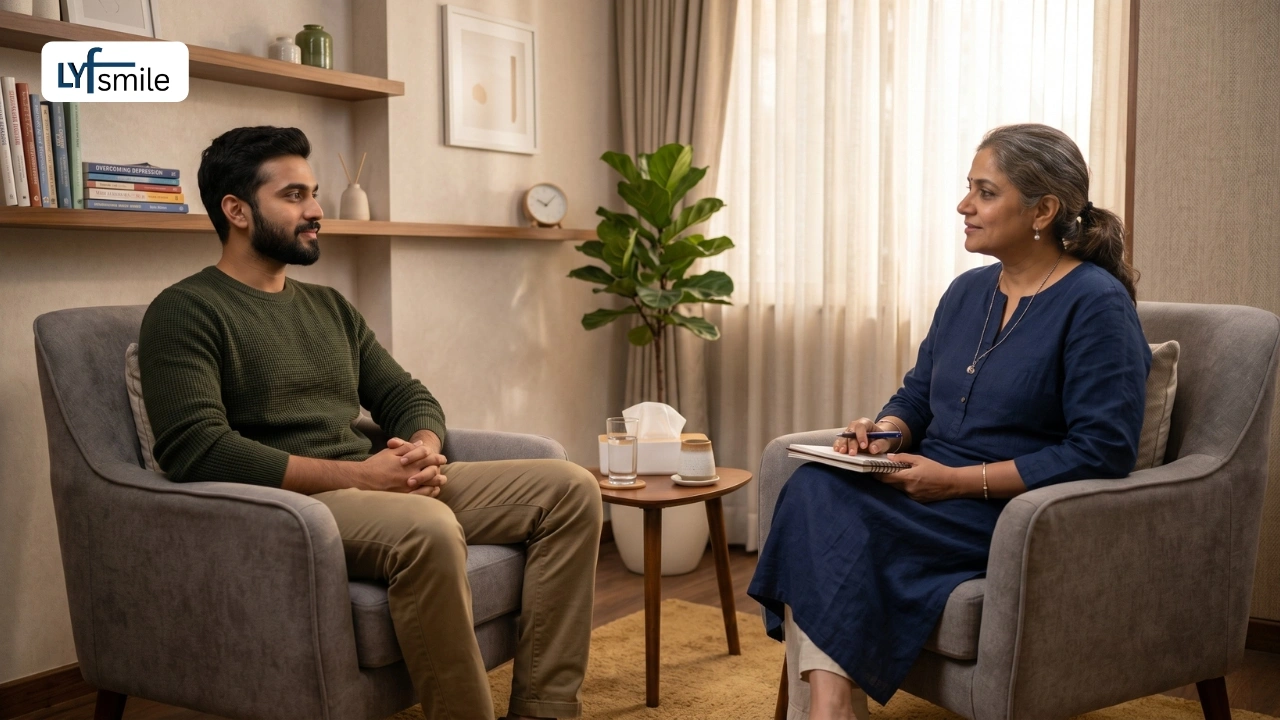 Finding the right therapist is an important part of recovery. A supportive and qualified mental health professional helps create emotional safety and consistency during treatment.
While choosing a therapist, consider:
Experience in treating depression and anxiety
RCI registration or verified qualifications
Comfort level during sessions
Therapy approach used
Availability of online and offline sessions
The right depression counseling in Gurgaon should feel supportive, structured, and emotionally safe rather than judgmental or rushed.
How to Choose the Right Psychologist for Depression Treatment in Gurgaon
Choosing the right psychologist is an important step in the recovery journey. The right therapist not only understands the emotional challenges of depression but also provides guidance that helps people feel supported, safe, and motivated to improve their mental health. When someone is looking for depression treatment in Gurgaon, there are a few important things to consider before starting therapy.
1. Therapist’s Experience
Experience plays a big role in effective therapy. An experienced psychologist understands different emotional challenges such as depression, anxiety, relationship stress, and trauma. Therapists who have worked with many clients can better understand emotional patterns and guide individuals with practical strategies.
2. Therapy Approach
Different psychologists may use different therapy methods such as Cognitive Behavioral Therapy (CBT), talk therapy, or mindfulness-based techniques. A good therapist chooses the approach based on the person’s emotional needs and life situation.
3. Comfort and Trust
Feeling comfortable with the therapist is very important. Therapy works best when a person feels safe sharing their thoughts and emotions without fear of judgment. A supportive and understanding therapist can help people open up and work through their challenges.
4. Professional Qualification
It is always important to check the psychologist’s qualifications and professional background. Certified psychologists and trained mental health professionals follow ethical practices and evidence-based therapy methods.
5. Experienced Psychologists at Lyfsmile
People seeking depression treatment in Gurgaon can also connect with the experienced mental health professionals at Lyfsmile, a platform that offers professional counseling and therapy support. The organisation provides access to trained psychologists who work with individuals dealing with depression, anxiety, relationship concerns, and emotional stress.
You can explore the team of experienced professionals offering online depression treatment in Gurgaon by visiting the Lyfsmile counsellor page and learning more about their therapy approach and experience.
Some of the experienced psychologists associated with Lyfsmile include:
Ritika Dhall: A senior counseling psychologist known for her structured CBT-based therapy approach and extensive experience helping individuals manage depression, anxiety, and emotional challenges.
Gunjan Bhatia: A psychologist who works with children, teenagers, and adults using supportive and solution-focused therapy to improve emotional well-being and behavioral challenges.
Medhavi Bhalla: Known for her empathetic counseling style and work with emotional stress, anxiety, and behavioral concerns using structured therapeutic methods.
Shraboni Nandi: An experienced Licensed psychologist specializing in emotional, behavioral, and personality-related concerns using evidence-based psychological practices.
These professionals provide personalized therapy and counseling sessions designed to support emotional healing and long-term mental well-being.
Choosing the right psychologist can make a meaningful difference in the recovery process. With the right guidance and therapy approach, individuals can better understand their emotions and gradually move toward a healthier and more balanced life.
Online Therapy for Depression: A Convenient Option
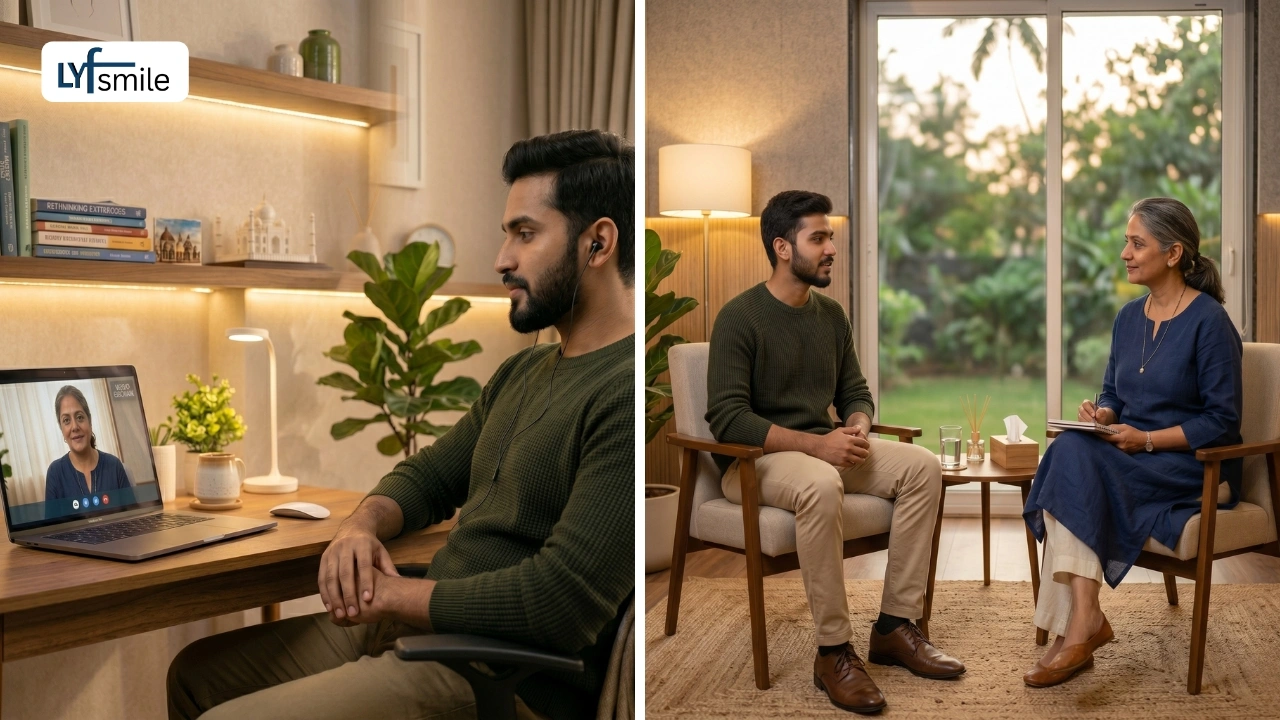
Online therapy has become an easy and convenient way for people to receive mental health support. Through online sessions, individuals can speak with a professional therapist from the comfort of their home and discuss their emotional challenges in a safe space.
Many individuals now prefer online depression therapy because it allows them to connect with a therapist through video calls, phone sessions, or secure online platforms without the need to travel. This option is especially helpful for people with busy schedules or those who feel more comfortable talking from home.
Video Therapy
Video therapy me person therapist ke saath video call ke through session karta hai. Isse face-to-face interaction possible hota hai aur therapist emotions aur behavior ko better samajh pata hai.
Online Counseling
Online counseling me individuals video call, phone call ya kabhi-kabhi chat ke through therapist se baat kar sakte hain. Isse log apni feelings share kar sakte hain aur emotional guidance receive karte hain.
Flexible Sessions
Online therapy ka ek bada benefit flexibility hai. Log apni routine ke according session schedule kar sakte hain, jisse busy lifestyle me bhi therapy lena aasaan ho jata hai.
Is tarah online therapy depression se joojh rahe logon ke liye professional support tak pahunch ko aur bhi simple aur accessible bana deti hai.
What Does Depression Therapy Cost in Gurgaon?
The cost of depression treatment in Gurgaon can vary depending on the therapist’s experience, session duration, and therapy format. Many people searching for how much therapy costs in India often find that pricing differs between online and offline sessions.
In-person therapy sessions at private clinics may range from ₹1,000 to ₹3,500 per session, while online consultations are often more flexible and affordable.
Some platforms also offer pay-per-minute or shorter consultation options, making therapy more accessible for students, working professionals, and individuals trying therapy for the first time.
While affordability matters, choosing the right therapist should always focus on professional qualifications, emotional comfort, and consistency of support rather than price alone.
 Online Therapy vs Offline Therapy
Both online and offline therapy can be effective depending on personal comfort and lifestyle.
Feature | Online Therapy | Offline Therapy |
Convenience | Attend from home | Requires clinic visits |
Flexibility | Easier scheduling | Fixed appointments |
Privacy | Comfortable personal space | Face-to-face interaction |
Accessibility | Available across India | Limited to local clinics |
Best For | Busy professionals, anxiety, and burnout | Individuals preferring in-person interaction |
Why People Delay Seeking Therapy
Many people experiencing depression delay seeking help because they assume their emotional struggles are temporary or “not serious enough.” In busy cities like Gurgaon, stress, burnout, anxiety, and emotional exhaustion are often normalised, especially among working professionals and students.
Some individuals also avoid therapy due to fear of judgment, privacy concerns, lack of awareness, or difficulty opening up emotionally. Over time, untreated stress and sadness can gradually begin affecting sleep, relationships, work performance, and overall mental well-being.
Seeking depression treatment in Gurgaon is not a sign of weakness. Early emotional support can help individuals better understand their mental health and develop healthier ways to manage emotional pressure before symptoms become more overwhelming.
Conclusion
Depression can affect anyone, including students, working professionals, parents, or individuals dealing with silent emotional pressure. Ignoring symptoms often makes emotional struggles heavier over time.
With the right therapy, emotional support, and professional guidance, recovery becomes possible. Whether through online psychologist consultation, Cognitive Behavioural Therapy (CBT), or structured emotional counseling, taking the first step toward support can make a meaningful difference.
If emotional exhaustion, anxiety, or persistent sadness have been affecting your daily life, seeking professional depression treatment in Gurgaon may help you regain clarity, emotional balance, and confidence.
Frequently Asked Questions
Is online therapy effective for depression?
Yes. Research shows that online therapy can be highly effective for depression, anxiety, stress, and emotional burnout when provided by qualified professionals.
How do I know if I need depression counseling?
If sadness, emotional exhaustion, anxiety, or lack of motivation continues affecting daily life for more than two weeks, professional counseling may help.
What type of therapy is commonly used for depression?
Cognitive Behavioural Therapy (CBT) is one of the most commonly used approaches for treating depression and anxiety-related concerns.
Can work stress lead to depression?
Yes. Chronic workplace stress, emotional burnout, poor work-life balance, and constant pressure can contribute to depression over time.
Is depression treatment confidential?
Yes. Professional therapy sessions are confidential and designed to provide a safe and non-judgmental environment.