

Sarvesh Kumari
How to Stop the Fear of Panic Attacks in Public: Expert Support in Gurgaon
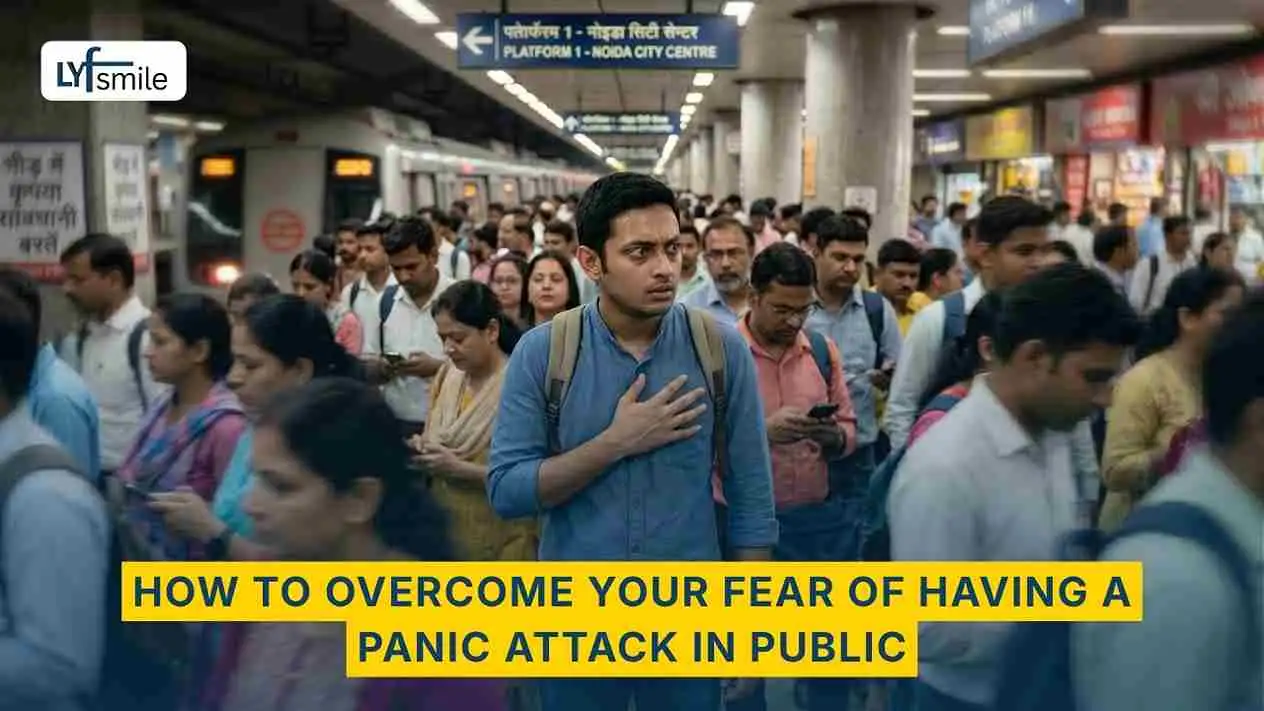
If you’ve ever felt the sudden rush of a racing heart while at a mall or on the metro, you know that the fear of panic attacks in public isn't just about the physical symptoms; it’s about the location. That overwhelming urge to find the nearest exit is incredibly isolating and can make your world feel very small.
This fear is often linked to agoraphobia, where you start avoiding places just to stay "safe." However, avoiding these situations actually makes the anxiety grow. The good news is that you can break this cycle. By shifting your focus and learning the right techniques, you can move past the "what ifs" and start feeling secure in public spaces again.
How to End the “What If It Happens Here?” Panic Thoughts
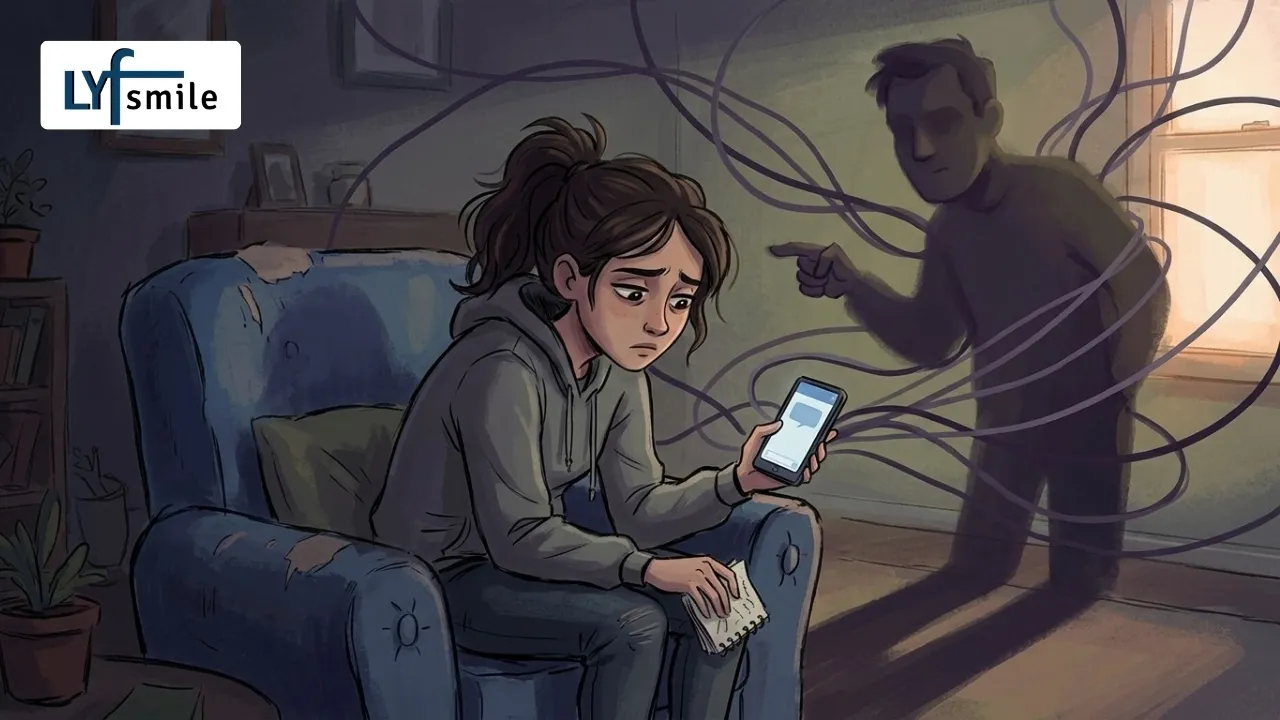
The biggest challenge isn’t always the panic attack itself but the constant worry that one might happen. This is called "anticipatory anxiety." It’s that nagging voice in your head that scans every room for an exit and asks, "What if I lose control right here?"
These thoughts often get louder when the world goes quiet. Many people find that their "what if" loop intensifies as they try to wind down, leading to “nighttime anxiety symptoms” like a racing mind, restlessness, or a pounding heart that makes sleep feel impossible.
To stop this cycle, you need to retrain your brain to feel safe again. Breaking these deep-rooted patterns often requires a structured environment. Visiting a professional anxiety therapy clinic in Gurgaon can provide that safe, controlled space. There, you can practice specific techniques to silence the "what if" thoughts and replace them with a sense of calm and confidence.
Shifting Your Focus from “What If” to “What Is”
When panic starts to rise, your mind leaves the present moment and jumps into a scary future. To stop this, you need to pull your focus back to "what is" happening right now. Grounding techniques are the fastest way to signal to your brain that you are actually safe.
One of the most effective tools is the 5-4-3-2-1 Grounding Method. If you feel a panic attack starting, stop and identify:
5 things you can see: - (example: a blue car, a street sign, a tree)
4 things you can touch: - (example: your keys, the fabric of your shirt, a cold water bottle)
3 things you can hear: - (example: distant traffic, birds chirping, your own breath)
2 things you can smell: - (example: coffee, fresh rain, or even just the air)
1 thing you can taste: - (example: a mint or just the inside of your mouth)
For many people, the fear of panic is made worse by the worry of what others might think. If you find yourself over-analyzing how people are looking at you, social anxiety counselling in Gurgaon can be a game-changer. It provides specific tools to help you stop worrying about social scrutiny and stay grounded in the present, no matter who is around
Why Avoidance Makes the Mental Loop Stronger
It might feel safer to stay inside, but every time you avoid a public space, you are accidentally feeding your fear. This is known as the "Avoidance Trap." While staying home provides immediate relief, it actually teaches your brain that the outside world is a dangerous place that you cannot handle.
"Avoidance is a temporary shield that becomes a permanent cage." By staying away from malls, metros, or markets, you never give yourself the chance to see that you can survive the discomfort. This keeps the mental loop of anxiety running and makes your world smaller every day.
Breaking this cycle requires a shift in strategy. This is why effective anxiety disorder treatment includes gradual exposure. By slowly and safely facing the situations you’ve been avoiding, you build the resilience needed to prove to your brain that you are stronger than your panic.
Working with a Therapist to Rewire Your Brain
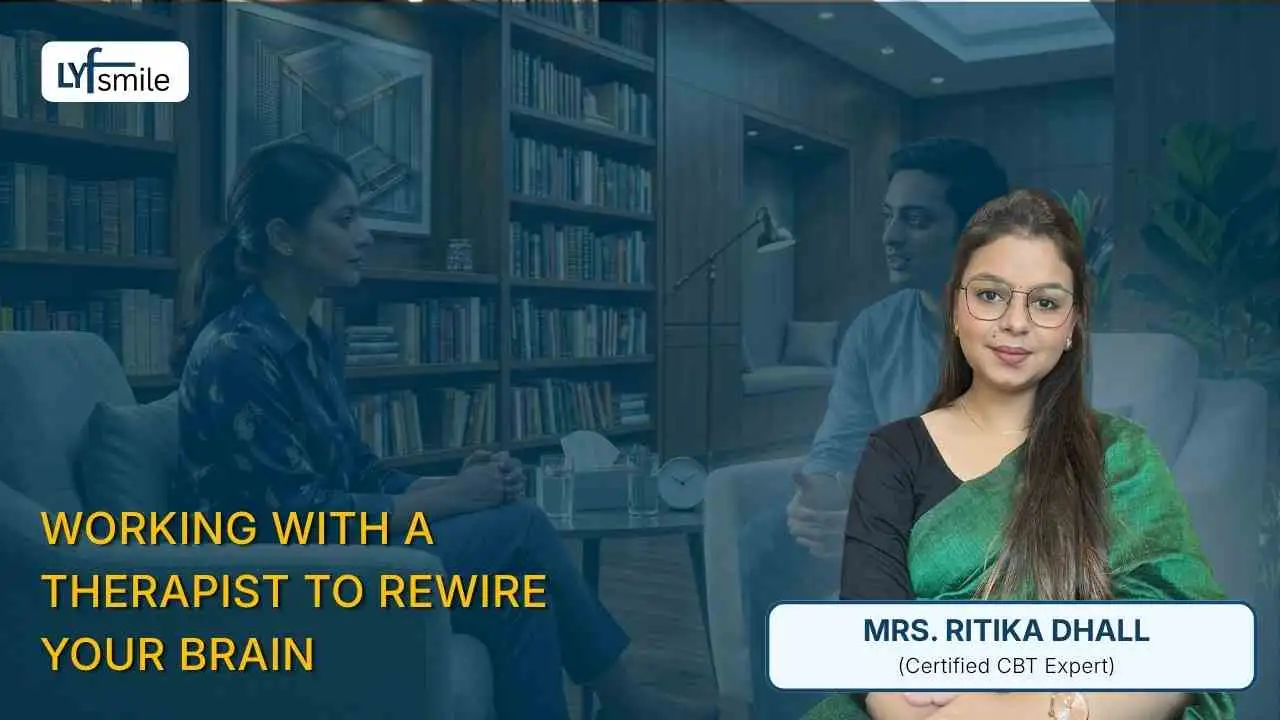 Overcoming panic isn’t just about "calming down"; it’s about retraining your brain’s alarm system. The most effective way to do this is through cognitive behavioral therapy (CBT). CBT is the gold standard for rewiring the thought patterns that trigger panic, helping you replace fear with logic and action.
Searching for a therapist for panic attacks near me is the first step toward this exposure-based healing. At our anxiety therapy clinic in Gurgaon, you can work with Mrs. Ritika Dhall, a certified CBT expert and seasoned psychologist. She focuses on helping you reclaim your life through:
Identifying Triggers: Understanding exactly what set off your public panic.
Practical Tools: Learning specific CBT strategies to manage physical symptoms in real-time.
Safe Exposure: Gradually facing feared situations with expert guidance.
Lasting Skills: Building a mental toolkit that serves you long after therapy ends.
Mrs. Dhall creates a supportive, judgment-free space where you can explore your emotions and develop a personalized roadmap for recovery. By visiting a professional anxiety therapy clinic in Gurgaon, you are no longer fighting this battle alone.
Take the first step today by scheduling a consultation. Together, we can unlock your potential and help you feel safe and confident in the world again.
You don’t have to navigate the "what ifs" alone. Whether you're struggling with nighttime anxiety symptoms or public crowds, professional help is within reach. Book an appointment with Mrs. Ritika Dhall for specialized social anxiety counselling in Gurgaon and start your roadmap to a calmer, more fulfilling future today.
Frequently Asked Questions
1. What type of therapy is best for panic attacks?
Cognitive Behavioral Therapy (CBT) is considered the gold standard for treating panic. It helps you "rewire" your brain by identifying the triggers behind your fear of panic attacks in public and teaching you how to manage physical symptoms effectively.
2. What is the 3-3-3 rule for panic attacks?
The 3-3-3 rule is a quick grounding technique: Name 3 things you see, identify 3 sounds you hear, and move 3 parts of your body (like your fingers, toes, or neck). It helps shift your focus from internal panic to the physical world around you.
3. Does having a therapist help with panic attacks?
Yes. A therapist for panic attacks near me provides a structured environment to practice exposure and coping tools. Working with a professional like Mrs. Ritika Dhall ensures you have a personalized roadmap to recovery rather than trying to figure it out alone.
4. What are common symptoms of anxiety that people experience at night?
Many people struggle with nighttime anxiety symptoms, which include a racing mind, heart palpitations, or restlessness. These often occur when the day’s distractions fade, leaving you alone with "what if" thoughts about the next day.
5. Has anybody ever cured their anxiety disorder?
While "cure" is a strong word, millions of people successfully manage and overcome the debilitating symptoms of anxiety. Through consistent anxiety disorder treatment, you can reach a point where panic no longer controls your daily life or choices.
6. Who is the best psychologist in Gurgaon for anxiety and depression?
The "best" psychologist is one who makes you feel safe and uses evidence-based methods. Mrs. Ritika Dhall is a highly recommended counseling psychologist in Gurgaon known for her expertise in CBT and her empathetic approach to helping clients unlock their potential for a brighter future.