

Yakshi
Eating Disorders in Adolescents: Signs, Causes & Treatment
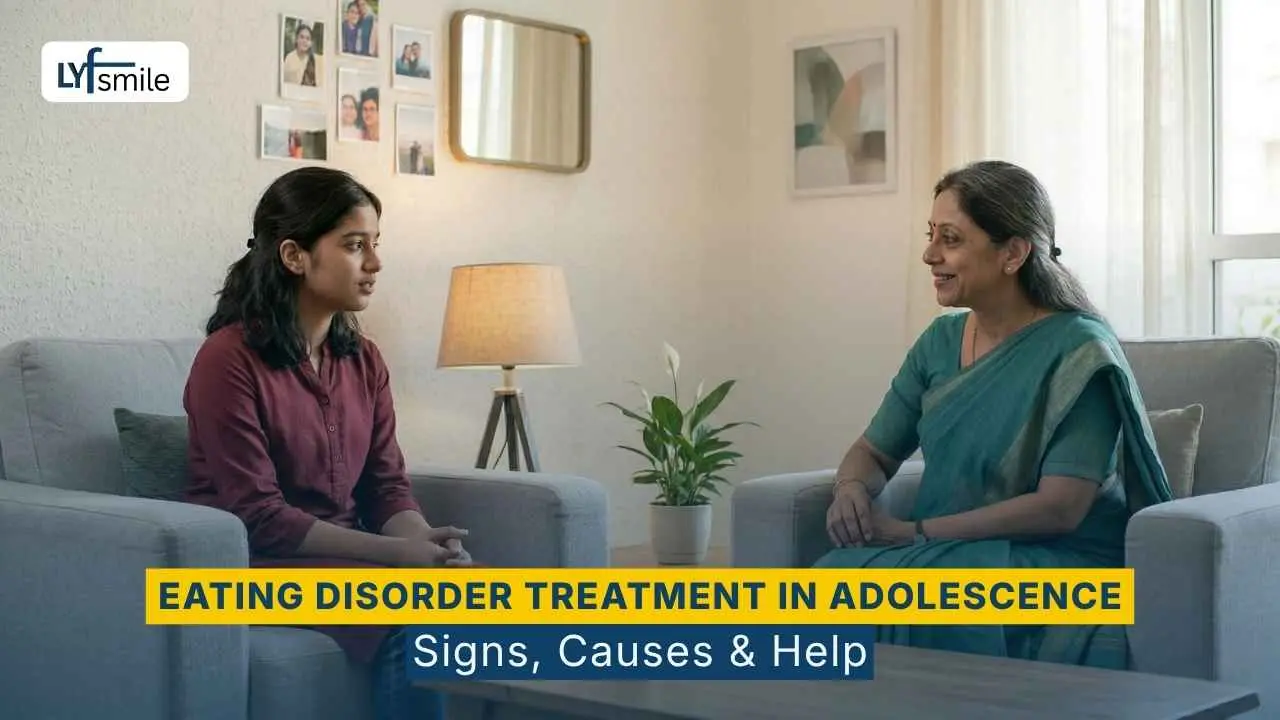
Eating disorders in adolescents are serious mental health conditions that affect teenagers physically, emotionally, and socially. These disorders can interfere with healthy growth, self-esteem, and daily functioning if left untreated. Understanding the signs, causes, and treatment options for eating disorders in adolescents can help parents and caregivers seek timely support. With early intervention and the right combination of therapy, nutritional guidance, and family support, adolescents can achieve long-term recovery and develop a healthier relationship with food and their bodies.
With rising awareness around teen mental health, parents and caregivers are now actively seeking professional help that is accessible, structured, and effective. Early intervention plays a crucial role in recovery, and with the right combination of therapy, guidance, and support systems, adolescents can rebuild a healthy relationship with food and themselves.
Along with specialised treatment for eating disorders, Child Counseling helps adolescents understand emotional triggers, improve coping skills, and build a healthier relationship with food and body image.
What Are Eating Disorders in Adolescents?
Eating disorders in adolescents are psychological conditions that affect a teenager's relationship with food, body image, and self-worth. These disorders often begin during adolescence, a stage marked by rapid physical and emotional changes. Eating disorders in adolescence can negatively impact growth, academic performance, relationships, and overall well-being. Common forms include anorexia nervosa, bulimia nervosa, and binge eating disorder. These conditions are not simply unhealthy habits but medically recognised mental health disorders that require timely intervention and professional support.
Common Types of Eating Disorders in Adolescents!
1. Anorexia Nervosa
Adolescents with anorexia often see themselves as overweight even when dangerously underweight. This condition can lead to malnutrition and serious medical complications.
Severe restriction of food intake
Intense fear of gaining weight
Distorted body image
2. Bulimia Nervosa
Teens with bulimia often feel trapped in a cycle of bingeing and purging, usually in secret. This pattern can cause electrolyte imbalances, dental problems, and digestive issues.
Recurrent episodes of binge eating followed by purging (e.g., vomiting, fasting, or excessive exercise)
3. Binge Eating Disorder
Unlike bulimia, binge eating disorder does not involve purging. Adolescents may eat rapidly, even when not hungry, and often feel deep distress after a binge episode.
Repeated episodes of consuming large amounts of food
Accompanying feelings of guilt, shame, or loss of control
These disorders are not passing phases or bad habits; they are medically recognised psychological conditions that demand structured, compassionate treatment.
Signs of Eating Disorders in Teenagers
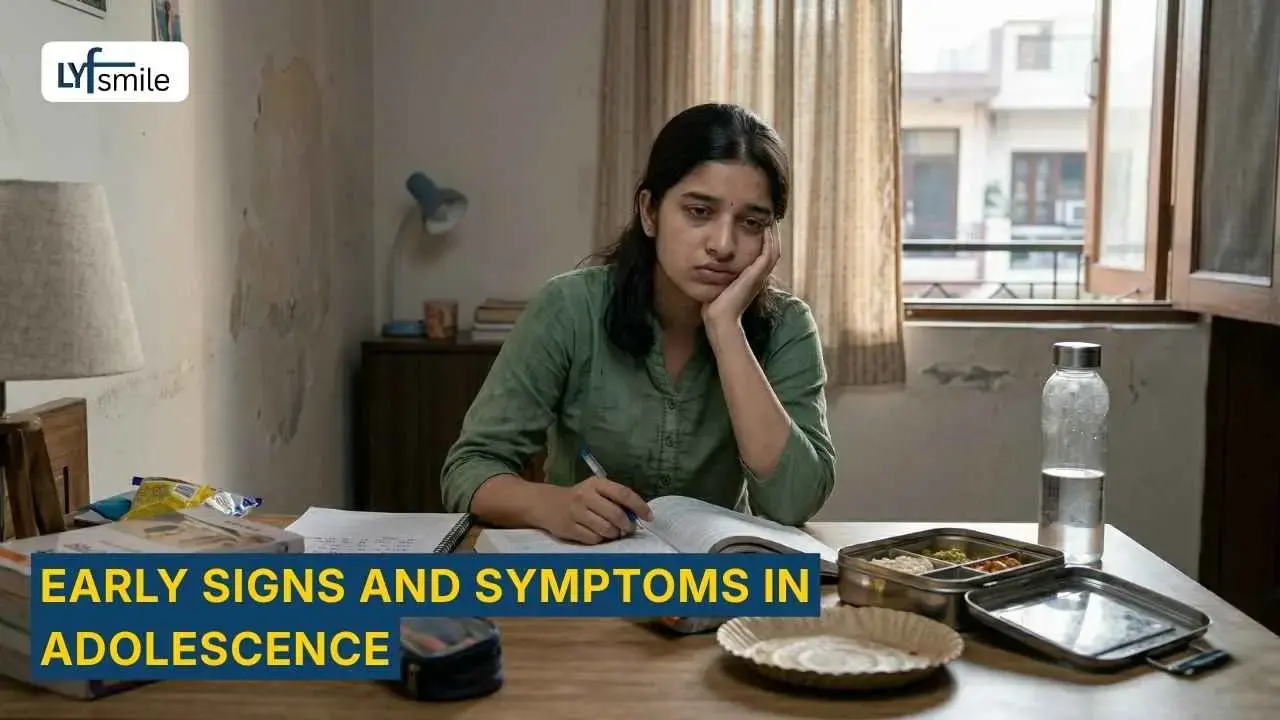 Recognising the signs of eating disorders in teenagers at an early stage can improve recovery outcomes. Many adolescents may hide their struggles, making it important for parents and caregivers to pay attention to physical, emotional, and behavioural changes.
Physical Signs
Sudden weight loss or weight fluctuations
Fatigue and dizziness
Digestive problems
Irregular menstrual cycles
Behavioral Signs
Skipping meals
Secretive eating habits
Excessive exercise
Obsession with calories and dieting
Emotional Signs
Anxiety around food
Low self-esteem
Mood swings
Social withdrawal
Why Early Intervention Matters in Eating Disorders in Adolescents
Early intervention for eating disorders in adolescents significantly improves treatment outcomes and reduces the risk of long-term physical and emotional complications. Identifying the condition in its initial stages supports faster eating disorder recovery in teens and prevents serious health consequences. Teaching coping skills, emotional expression, and stress management can reduce vulnerability.
Early Child Mental Health Counseling helps identify emotional distress before eating disorders become more severe and supports long-term psychological recovery.
Why Teens Are More Vulnerable to Eating Disorders
Teens are more vulnerable to eating disorders due to a combination of rapid physical changes during puberty, heightened emotional sensitivity, and increasing social pressure. Adolescence, especially between ages 13 and 17, is a peak risk period where body image concerns, comparison, and the need for acceptance become stronger. During this phase, many teenagers may turn to disordered eating as a way to cope with stress, low self-esteem, or a lack of control in other areas of life.
Key Factors Contributing to Teen Vulnerability:
Physical & Brain Development: Adolescence brings sudden body changes, including weight distribution and hormonal shifts. These changes can make teens highly self-conscious and overly focused on appearance.
Social & Cultural Pressure: Exposure to unrealistic beauty standards through social media and peer comparison can create dissatisfaction with one’s body and pressure to look a certain way.
Psychological Factors: Traits like perfectionism, low self-esteem, and difficulty managing emotions increase the risk. Teens may feel they are “not good enough” and try to control their bodies to cope.
Need for Control: When overwhelmed by academics, relationships, or family expectations, teens may use food restriction, bingeing, or purging as a way to feel in control.
Environmental Triggers: Bullying, especially about weight or appearance, along with participation in appearance-focused activities like dance, modeling, or sports, can increase vulnerability.
Mental Health Conditions: Eating disorders often co-exist with conditions like anxiety, depression, or obsessive-compulsive tendencies, making teens more susceptible.
Common Myths About Teen Eating Disorders

“It’s just a phase”
Eating disorders are not a temporary teenage phase. They are serious mental health conditions that require timely attention and professional support.“Only girls are affected”
Boys and young men also experience eating disorders, but they are often underdiagnosed due to stigma and lack of awareness.“You can tell by looking at someone”
Not all eating disorders are visible. A teen may appear “healthy” on the outside while struggling deeply with disordered eating behaviors.“It’s just about food”
Eating disorders are rarely only about food. They are often linked to deeper issues like control, emotional distress, trauma, and self-esteem.“Teens with eating disorders just want attention”
This is a harmful misconception. Most teens actually hide their struggles due to shame, fear, or guilt, making it harder to seek help.“Parents are to blame”
While family environment can play a role, eating disorders are complex and influenced by multiple factors including biology, psychology, and social pressures.“If they start eating normally, they’re fine”
Recovery is not just about eating habits. Psychological healing, emotional regulation, and body image work are equally important.“Eating disorders aren’t that serious”
Eating disorders can have severe physical and mental health consequences if left untreated. Early intervention is crucial for recovery.
Causes of Eating Disorders in Teenagers
Biological and hormonal factors
Genetics, brain chemistry, and hormonal changes can increase susceptibility to eating disorders.
Social media and body image pressure
Constant exposure to “ideal” body standards can create unrealistic expectations and dissatisfaction with one’s appearance.
Family dynamics and emotional triggers
High expectations, lack of communication, or emotional stress within the family can contribute to unhealthy coping mechanisms.
Peer pressure and bullying
Teasing, comparison, or bullying related to weight or appearance can deeply impact a teen’s self-esteem.
When anxiety contributes to unhealthy eating behaviours, Child Counseling for Anxiety can help adolescents manage stress, improve emotional regulation, and reduce harmful coping patterns.
Eating Disorder Treatment Options for Adolescents
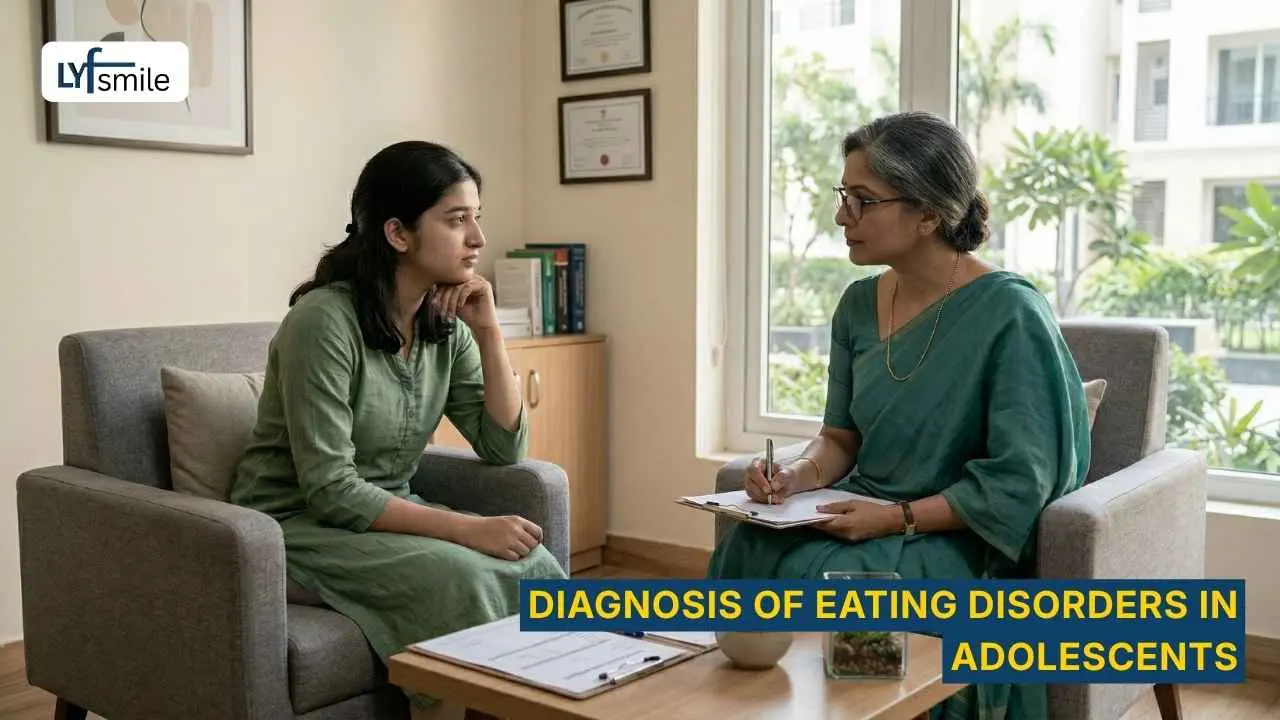 Treatment for adolescent eating disorder counselling is most effective when it addresses both the mind and body together, since eating disorders are deeply linked to teen mental health and eating habits, emotional struggles, and psychological factors as well as physical health. A combination of therapies such as CBT for eating disorders in teens, family therapy for eating disorders, and nutritional counseling for teenagers is usually recommended to ensure complete eating disorder recovery in teens and long-term stability.
1. Psychological Therapy
Cognitive Behavioral Therapy (CBT)
CBT helps adolescents identify negative thought patterns related to food and body image and replace them with healthier thoughts.
This therapy empowers teens to break the cycle of disordered behaviors by building coping skills and challenging distorted beliefs.A qualified Child Behavioral Therapist uses CBT techniques to help adolescents develop healthier thought patterns and coping strategies related to food, emotions, and self-image.
Family-Based Therapy (FBT)
Family involvement plays a key role in recovery. Parents are guided to support healthy eating habits and emotional stability.
FBT puts parents in charge of refeeding their child at home, while the adolescent works toward restoring weight and autonomy.
2. Nutritional Counseling
A certified nutritionist helps:
Restore healthy eating patterns – Rebuilding regular meal schedules and portion sizes after a period of restriction or bingeing.
Create balanced meal plans – Designing enjoyable, nutrient-dense meals that support growth and healing.
Educate without fear or guilt – Teaching teens how food fuels their body, removing shame around eating.
3. Medical Monitoring
In severe cases, medical supervision is required to:
Monitor weight and vital signs – Tracking heart rate, blood pressure, and temperature to catch dangerous declines early.
Treat nutritional deficiencies – Replenishing low electrolytes (potassium, sodium, calcium) that can cause heart or kidney problems.
Address physical complications – Managing issues like gastrointestinal distress, bone density loss, or hormonal imbalances.
4. Hospital-Based Treatment (If Needed)
For critical cases, inpatient care may be necessary to stabilise both physical and mental health.
*Residential or hospital programs provide 24/7 monitoring, structured meals, and intensive therapy when outpatient care is not enough to ensure safety.*
5. Online Therapy Options
With increased accessibility, many adolescents benefit from:
Virtual counseling sessions: Live video appointments with licensed therapists specialised in eating disorders.
Flexible therapy schedules: Appointments that fit around school, sports, and family commitments.
Comfort of home environment: Teens may feel more at ease opening up in a familiar space rather than an office.
An experienced Child Therapist or Child Counselor evaluates the adolescent's emotional, behavioural, and psychological needs before creating an individualised treatment plan.
Online Counselling for Teen Eating Disorders: A Convenient Support Option
 Online counselling for teen eating disorders provides adolescents with access to experienced mental health professionals without leaving home. Flexible scheduling and a familiar environment often make it easier for teenagers to participate in therapy consistently and openly discuss their concerns.
Benefits of online therapy for adolescents
Comfort of home environment
Easier access to specialized therapists
Flexible scheduling
Reduced stigma around seeking help
When to seek professional help early
If you notice persistent changes in eating habits, mood, or body image concerns, it’s important not to wait. Early intervention leads to better outcomes.
Platforms like Lyfsmile offer reliable and affordable online counselling for teen eating disorders, connecting adolescents with certified and experienced mental health professionals through video or phone sessions in a confidential setting.
Conclusion
Eating disorders in adolescents are serious mental health conditions that affect much more than eating habits. Without timely intervention, they can impact physical health, emotional well-being, and overall development. Fortunately, recovery is possible with early diagnosis, appropriate teen eating disorder therapy, nutritional guidance, and family support. Seeking help from qualified mental health professionals can make a lasting difference and help adolescents build a healthier relationship with food, body image, and themselves.
The positive side is that eating disorders are treatable. With the right support, therapy, and a safe environment, teens can recover and build a healthier relationship with food and their bodies.
Seeking timely support from an experienced Child Therapist in India can significantly improve recovery outcomes and help adolescents regain emotional confidence and healthier eating habits.
FAQ’s
What are the most common eating disorders in adolescents?
The most common eating disorders in adolescents are anorexia nervosa, bulimia nervosa, and binge eating disorder. These conditions affect a teenager’s relationship with food, body image, and emotional well-being. Early diagnosis and treatment can help prevent serious physical and mental health complications.
What are the signs of eating disorders in teenagers?
Common signs of eating disorders in teenagers include sudden weight changes, skipping meals, excessive exercise, obsession with calories or body image, mood swings, low self-esteem, and social withdrawal. Persistent changes in eating habits or behavior should be evaluated by a mental health professional.
How is adolescent binge eating disorder treated?
Adolescent binge eating disorder treatment usually involves a combination of Cognitive Behavioral Therapy (CBT), nutritional counseling, family support, and lifestyle changes. These approaches help teenagers manage emotional triggers, develop healthier eating habits, and achieve long-term recovery.
Can online counselling help teenagers with eating disorders?
Yes, online counselling can be effective for teenagers with eating disorders. It provides access to experienced mental health professionals, flexible scheduling, and the comfort of receiving support from home. Online therapy can play an important role in early intervention and ongoing recovery.
What is holistic eating disorder therapy for teens?
Holistic eating disorder therapy for teens focuses on both emotional and physical healing. It combines psychological therapy, nutritional guidance, mindfulness techniques, family involvement, and healthy lifestyle habits to support overall well-being and long-term recovery.
Which therapy works best for eating disorders in adolescents?
The most effective therapy for eating disorders in adolescents depends on the type and severity of the condition. Cognitive Behavioral Therapy (CBT) and Family-Based Therapy (FBT) are among the most widely recommended approaches. Treatment plans are often combined with nutritional counseling and medical support for the best outcomes.
Can eating disorders in adolescence affect mental health?
Yes, eating disorders in adolescence can significantly affect mental health. They are often associated with anxiety, depression, low self-esteem, social isolation, and emotional distress. Early treatment can improve both physical health and emotional well-being.
How long does eating disorder recovery in teens take?
Eating disorder recovery in teens varies from person to person and depends on the severity of the condition and the support received. Some adolescents may show improvement within a few months, while others may require longer-term treatment. Consistent therapy, family support, and early intervention are important factors that contribute to successful recovery.