

Sarvesh Kumari
Online Couples Therapy for Growing Apart: Reconnect & Rebuild
Online couples therapy can help partners who feel emotionally distant, disconnected, or stuck in repeated relationship conflicts. It provides a private space where couples can work on communication, emotional connection, unresolved concerns, and intimacy with the guidance of a trained professional.
Couples may seek online therapy when they feel more like roommates than partners, struggle to communicate, experience reduced intimacy, or find themselves having the same arguments repeatedly. Therapy can help both partners understand these patterns and work toward healthier ways of connecting.
Why Couples Grow Apart and When You Need Therapy
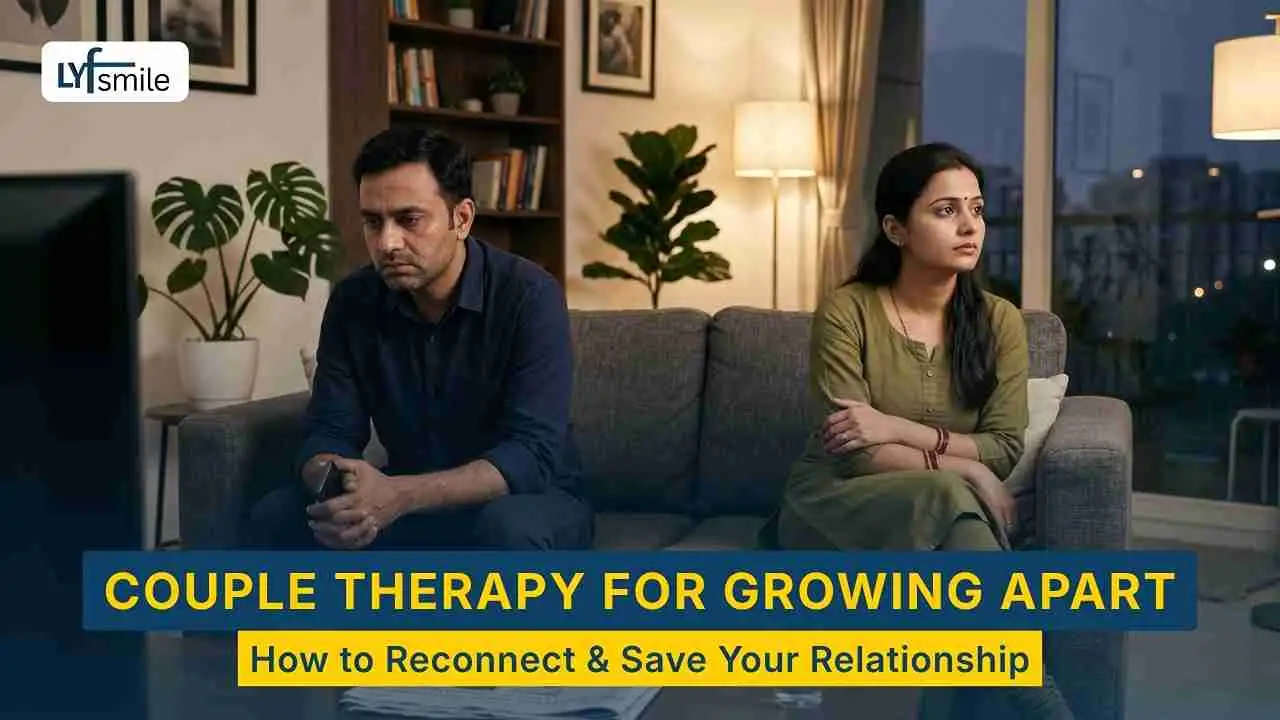
Couples grow apart when emotional communication, intimacy, and understanding slowly break down over time. Couple Therapy for Growing Apart helps identify these hidden gaps before the relationship completely collapses.
Common Reasons Couples Drift Apart
When people search for relationship counseling for emotional distance or marriage counseling for drifting apart, they are often experiencing:
Constant misunderstandings or unresolved fights
Emotional neglect due to work stress or parenting
Lack of physical intimacy or affection
Feeling unheard or unimportant
Long-term routine replacing emotional bonding
Why it happens psychologically
Experts at Dr Shraboni Nandi, explain that emotional stress and mental health issues often contribute to intimacy problems, including psychological sexual difficulties like erectile issues and reduced desire.
Other psychological causes include:
Anxiety and performance pressure
Depression or emotional burnout
Childhood attachment issues
Poor communication patterns
Unmet emotional needs
Signs of Emotional Distance
If you are searching feeling distant from partner solution or relationship feels cold therapy, these signs may apply:
Conversations feel formal or robotic
You feel lonely even when together
Physical intimacy has reduced significantly
You avoid deep conversations
Arguments feel repetitive and unresolved
You feel like “marriage feels like friendship not love”
Real-life example
A couple married for 7 years stopped sharing daily emotions. They were managing home duties but felt emotionally disconnected. Through Couple Therapy for Growing Apart, they learned how stress and unspoken resentment had replaced affection.
Struggling to reconnect emotionally? You are not alone. Book a free 15-minute consultation
How Couple Therapy for Growing Apart Helps You Reconnect Emotionally
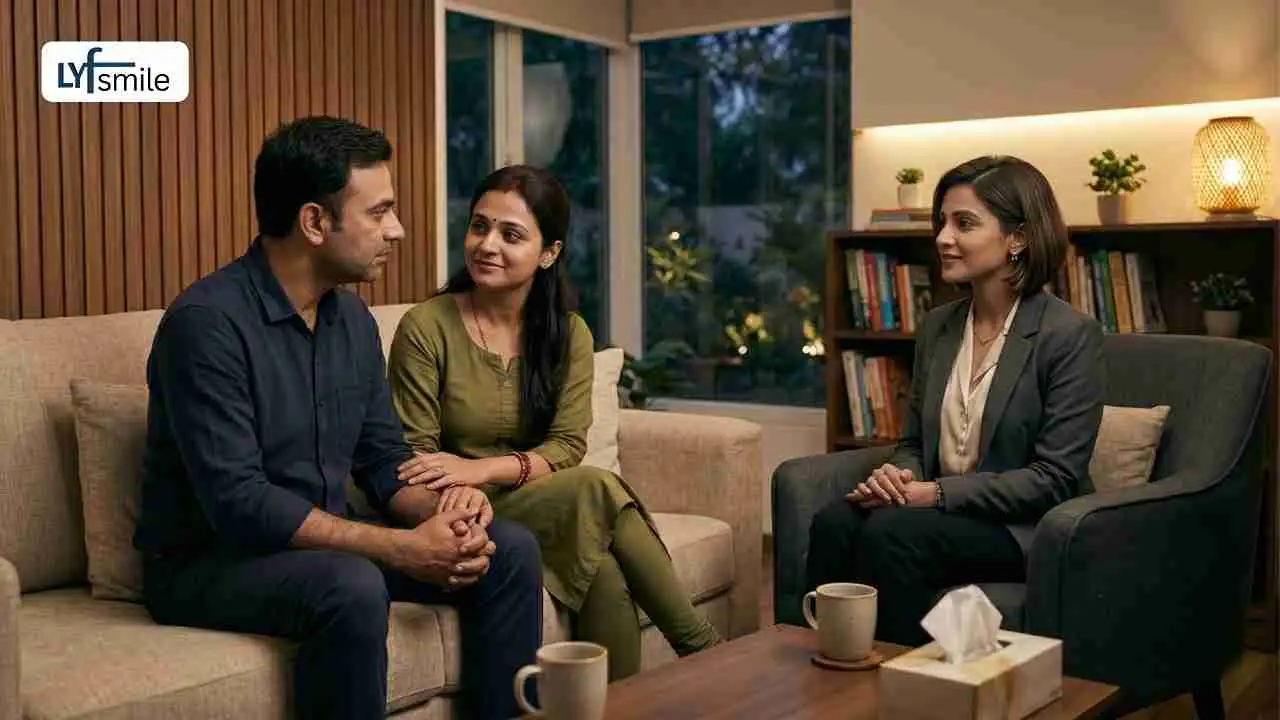 Couple Therapy for Growing Apart works by rebuilding emotional safety, improving communication, and helping partners understand each other’s unmet needs. It is not just about solving conflicts-it is about restoring connection.
This approach is widely used in couples therapy for emotional disconnection, therapy for losing connection in marriage, and reconnecting with partner therapy programs.
What happens in therapy sessions
Therapists guide couples through structured steps:
Identifying emotional triggers and communication breakdowns
Rebuilding trust and empathy
Improving conflict resolution skills
Relearning emotional expression and affection
Reconnecting physically and emotionally
Techniques used in therapy
Emotion-focused communication exercises
Active listening practice
Guided conversations for unresolved issues
Behavioral change strategies
Intimacy rebuilding exercises
Example from therapy practice
A couple experiencing relationship breakdown and emotional distance help sought therapy after 10 years of marriage. They described their relationship as “silent and mechanical.” Within sessions, they discovered that emotional neglect, not lack of love, was the real issue.
When therapy becomes necessary
You should consider Couple Therapy for Growing Apart if:
You feel emotionally disconnected for months
Conversations lead to fights or silence
Intimacy has significantly reduced
You feel misunderstood or emotionally unsafe
You are actively searching for how to reconnect emotionally with spouse
Psychological Causes Behind Emotional Disconnection
Emotional disconnection usually comes from unresolved psychological stress, unmet emotional needs, and poor communication habits. Couple Therapy for Growing Apart helps uncover and address these root causes.
Key psychological factors:
Chronic stress and burnout
Emotional suppression
Lack of vulnerability in relationships
Fear of rejection or conflict
Past relationship trauma
Sexual dissatisfaction or mismatch
Connection with intimacy issues
Many couples facing couples counseling for lack of intimacy also report:
Reduced sexual desire
Avoidance of physical closeness
Emotional shutdown during conflict
This creates a cycle where emotional distance leads to physical distance and vice versa.
Practical Solutions to Fix Emotional Distance in Relationship
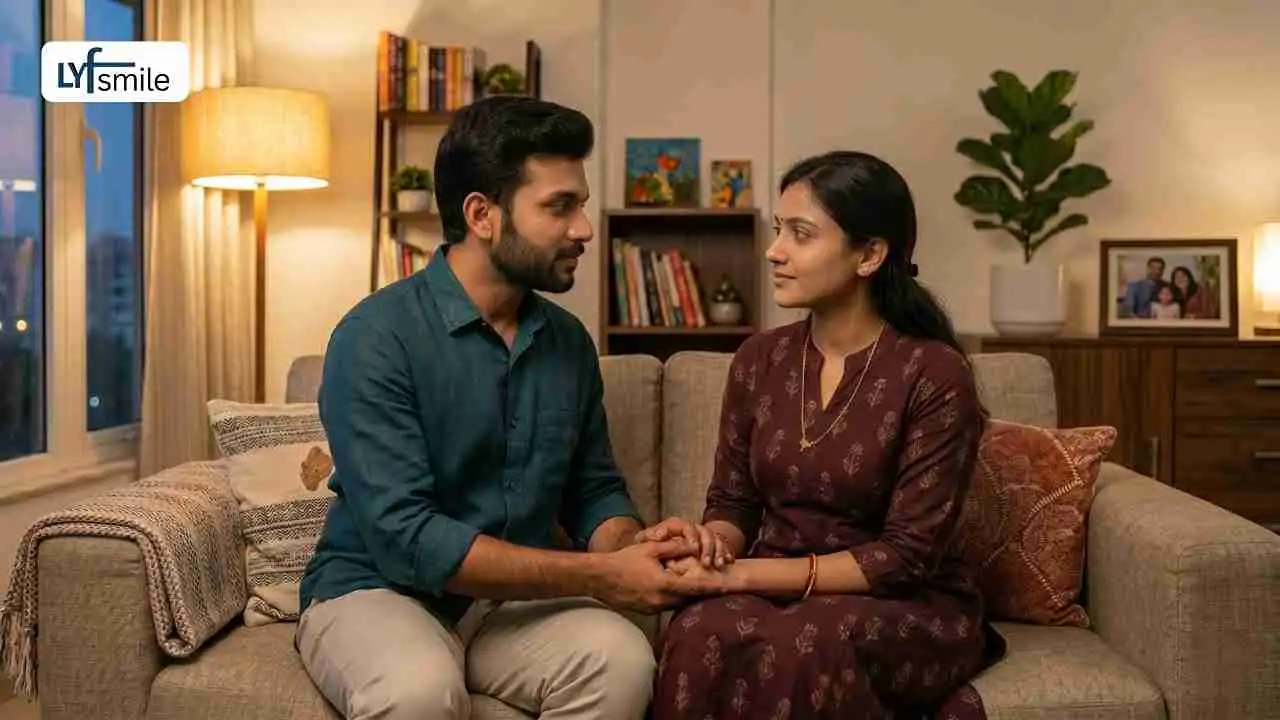 To fix emotional distance in a relationship, couples need consistent emotional communication, shared experiences, and structured support like therapy. Couple Therapy for Growing Apart accelerates this healing process.
Practical steps:
Spend daily 15–20 minutes in distraction-free conversation
Express feelings without blaming
Recreate shared activities or hobbies
Practice appreciation and gratitude
Address unresolved conflicts calmly
Therapy-supported strategies
Weekly emotional check-ins
Intimacy rebuilding exercises
Guided communication frameworks
Emotional needs mapping
Real opinion
Most couples wait too long before seeking help. By the time they search for a relationship feels cold therapy, emotional distance has already become a pattern, not a phase.
Early Couple Therapy for Growing Apart prevents long-term emotional detachment.
How Can Couples Therapy Help When Partners Are Growing Apart?
Couples may gradually become emotionally distant because of unresolved conflicts, busy routines, work or family responsibilities, communication problems, or changes in their emotional and physical connection.
Therapy allows partners to understand these patterns, express concerns more openly, and work on communication without turning every conversation into an argument. The goal is not to assign blame, but to understand what has changed and what both partners want from the relationship.
Why Emotional Distance Should Not Be Ignored
Ignoring emotional distance can lead to:
Long-term resentment
Emotional infidelity risk
Divorce or separation
Loss of companionship and intimacy
Studies in relationship counseling consistently show that couples who seek early intervention have significantly higher chances of rebuilding connection.
Conclusion
Couple Therapy for Growing Apart is one of the most effective ways to rebuild emotional connection when couples feel distant, disconnected, or stuck in repetitive conflict cycles. Whether you are experiencing lost emotional connection in relationship help, reduced intimacy, or constant misunderstandings, therapy provides a structured path to healing.
Instead of letting emotional distance grow into permanent separation, early intervention through Couple Therapy for Growing Apart can help you reconnect emotionally, rebuild trust, and restore love in your relationship.
When couples actively work on emotional awareness, communication, intimacy, and unresolved sexual problems in couples, even relationships that feel emotionally “cold” can become emotionally connected, physically fulfilling, and stable again. Open conversations, emotional support, and therapy can help partners rebuild trust, strengthen intimacy, and reconnect both emotionally and sexually.
FAQs
What is online couples therapy?
Online couples therapy is relationship counselling conducted through virtual sessions. Both partners can speak with a therapist from their own location and work on concerns such as communication difficulties, emotional distance, repeated conflict, intimacy, or trust. The focus depends on the couple's individual needs and goals.
How does online couples therapy work?
Couples attend virtual sessions with a therapist and discuss the concerns affecting their relationship. The therapist may help identify communication patterns, unresolved conflicts, emotional needs, or intimacy concerns. Sessions can then focus on developing healthier communication and ways of responding to relationship difficulties.
Can couples therapy help when partners are growing apart?
Yes, couples therapy can provide a structured space for partners who feel emotionally distant or disconnected. It can help them understand what has changed, communicate their concerns more openly, and work on patterns that may be creating distance. The goals of therapy depend on what both partners want to address.
Is online couples therapy effective for married couples?
Online couples therapy can be a convenient option for married couples who want professional relationship support without attending sessions in person. It may be used for communication difficulties, recurring conflicts, emotional distance, intimacy concerns, or other relationship challenges.
Can couples attend therapy online from different locations?
In some cases, online therapy can make it easier for partners to participate when they are in different locations. Whether this is possible depends on the therapist's practice, applicable professional requirements, and the circumstances of both partners. Couples should confirm these details before beginning sessions.
What issues can couples discuss in online therapy?
Couples may discuss communication problems, emotional distance, recurring arguments, trust concerns, changes in intimacy, differences in expectations, or difficulties adjusting to major life changes. The therapist can help the couple identify which concerns are most important and work through them in a structured setting.
Can online marriage counselling help with communication problems?
Yes, online marriage counselling can provide a structured setting for couples who struggle to communicate without arguments or misunderstandings. Counselling can help partners express their concerns more clearly, listen to each other's perspective, and identify communication patterns that may be creating tension in the relationship.
When should a couple consider relationship counselling?
A couple may consider counselling when communication repeatedly breaks down, conflicts remain unresolved, emotional distance continues, or intimacy has changed significantly. Couples do not need to wait until a relationship reaches a crisis before seeking support; counselling can also be used to work on ongoing concerns proactively.