


Lakshika Kaushik
Top Reasons Why Children Struggle to Make Friends: Trusted Help in Gurgaon
Friendships play an important role in a child’s growth. Through friends, children learn how to communicate, share, solve small conflicts, and understand emotions. But for many kids, making friends does not happen easily. Some feel shy, some feel nervous, and some simply don’t know what to say or how to join a group. As a result, they may choose to stay alone, avoid social situations, or become quiet around other children, even when they genuinely want to connect.
These challenges are more common than parents realise. In Gurgaon, specialists like Child Psychiatrists, Child Therapists, Child Counselors, Behaviour Therapists, ADHD Specialists, Child Development Therapists, and Autism Specialists often meet children who struggle socially due to reasons such as anxiety, low confidence, difficulty understanding social cues, communication delays, or past negative experiences.
When parents know the root cause, they can support their child with patience, guidance, and the right strategies. The good news is that social skills can be taught, and with early support, children can learn to interact confidently and build healthy, lasting friendships.
When children consistently struggle to make friends, professional Child Counseling from an experienced Child Therapist can help them build communication skills, confidence, and healthier social interactions. Early Child Mental Health Counseling also helps children understand emotions and feel more comfortable in group settings.
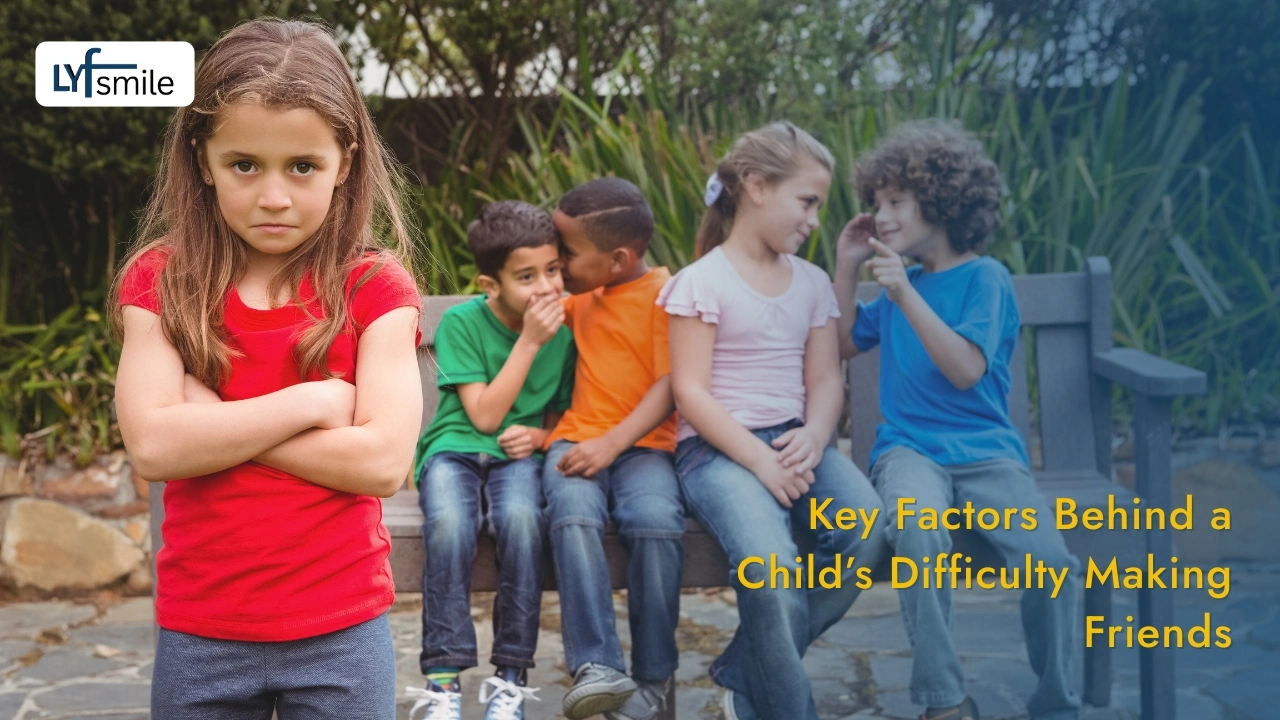
Key Factors Behind a Child’s Difficulty Making Friends
 1. Preferring to Stay Alone During School Recess
Some kids choose to stay alone during recess because they are unsure how to join others or start a conversation. The playground can feel loud, busy, or overwhelming, so being by themselves feels safer and more comfortable. Many children also worry about not being included or feel too shy to walk up to a group. In most cases, it’s not that they don’t want friends - they simply don’t know how to join a game, approach other kids, or handle the fast-paced environment of recess.
2. Fear of Talking to New Kids
Some children hesitate to talk to new kids because they feel nervous about what to say or how the other child might react. They may overthink simple situations, worry about being judged, or fear making mistakes. As a result, they stay quiet even when they want to join in. This fear doesn’t mean they’re not interested in making friends - it just shows that starting conversations feels challenging or uncomfortable for them.
3. Social Anxiety in Groups
For some kids, groups feel scary. They get nervous when too many children are around and don’t know how to join in. Birthday parties, class groups, or team games can feel too noisy or confusing, so they prefer to stay quiet or step back. It’s not that they don’t want friends, they just feel anxious when they’re in a group.
4. Difficulty Understanding Social Cues
Some children struggle to understand important social signals like tone of voice, facial expressions, body language, personal space, or when to talk and when to listen. They may also miss small signs such as smiles, frowns, or hints in someone’s voice. Because these cues are hard for them to read, they may not know when to join a game, when to stop, or how someone else is feeling. This often leads to misunderstandings with peers and makes it harder for them to connect naturally. These challenges are especially common in children with ADHD, Autism traits, sensory issues, or communication delays.
5. Trouble Sharing or Taking Turns
Many children struggle with sharing, waiting for their turn, cooperating, or following basic game rules. These difficulties can easily lead to small arguments or misunderstandings during play. It’s not intentional behaviour, children are still learning how to manage their emotions, control impulses, and adjust to others while playing. With steady guidance and practice, these skills naturally improve.
6. Feeling Left Out or Bullied
A child who has experienced bullying or has been left out by peers often becomes cautious in social situations. They may avoid other children, lose confidence, or stop trying to make friends because they begin to assume they won’t be liked or included. Even a single negative experience can affect how a child sees friendships and can create fear or hesitation in future interactions. This emotional impact can make it much harder for them to trust or connect with others again.
7. Avoiding Birthday Parties or Social Gatherings
When a child avoids birthday parties or group events, it often means the situation feels uncomfortable for them. They may be sensitive to loud sounds, scared of crowded places, anxious around many kids, or unsure how to interact with new faces. Because of these feelings, they choose not to attend such events. Over time, this avoidance reduces their chances to practice social skills and makes group situations even harder to handle.
8. Becoming Quiet or Awkward Around Other
A child who talks comfortably at home may suddenly become quiet, stiff, or unsure when they are around other kids. This often happens when they feel judged, don’t know how to join a conversation, or worry about saying something wrong. Sometimes they simply don’t feel socially safe or confident in that moment. Their silence is usually a sign of nervousness or uncertainty, not a lack of interest in making friends.
Children who continue to avoid social situations or feel anxious around peers may also benefit from Child Anxiety Therapy, especially when fear or nervousness prevents them from forming friendships.
The Importance of Early Guidance for Social Skills
Early support helps children understand social situations better and feel more confident while interacting with others. When guidance starts early, kids learn important skills like sharing, talking about feelings, taking turns, joining groups, and responding calmly. It also reduces anxiety and prevents small social challenges from becoming bigger problems later.
How Early Guidance Helps Children:
Teaches sharing, turn-taking, and basic social rules
Helps children express emotions in simple, healthy ways
Builds confidence during group activities or new situations
Improves communication and reduces fear of talking to peers
Helps manage anxiety or shyness in social settings
Prevents long-term issues like withdrawal or low confidence
Makes it easier for children to make and keep friends
How Therapy Supports Early Growth:
Child-friendly activities that teach social skills
Simple tools to handle conflicts and disagreements
Guidance to improve emotional control
Practice for real-life situations like group play
Support for parents to understand their child better
Early guidance and therapy work together to build strong, healthy social foundations that help children throughout school and daily life.
When to Seek Professional Help in Gurgaon
 Parents should consider seeking professional help if a child’s social struggles continue for a long time or begin to affect their confidence, behaviour, school performance, or emotional wellbeing. When a child consistently avoids peers, feels anxious in groups, refuses to attend social events, or often ends up alone during playtime, these signs may point to challenges that need expert attention. Many children also develop negative beliefs like “Nobody likes me” or “I can’t talk to other kids,” which can slowly impact their self-esteem.
In Gurgaon, specialists such as Child Psychiatrists, Child Therapists, Child Counselors, Behaviour Therapists, ADHD and Autism Specialists, and Child Development Therapists can help parents understand the exact reason behind the difficulty. A professional assessment looks at the child’s communication style, emotional responses, social confidence, and developmental patterns. This helps identify whether the child is dealing with social anxiety, ADHD traits, autism-related social differences, communication delays, or stress from past negative experiences.
Seeking help early makes social situations easier for the child and prevents small problems from turning into bigger emotional or behavioural challenges later. With the right support, children learn how to connect better with peers, express themselves comfortably, and build healthy friendships at their own pace.
Therapy Options to Improve Your Child’s Social Confidence
We offer flexible therapy options so parents can choose the format that best matches their child’s comfort and routine. Both online and offline sessions focus on helping children improve social skills, manage emotions, understand peer interactions, and boost their overall confidence. Each format has its own advantages and can be selected based on what works best for your child.
Online Therapy Sessions
Online sessions are ideal for children who feel more relaxed at home. Through secure video sessions, children learn communication skills, emotional control, and social strategies in a calm and familiar environment. This format is especially helpful for kids who experience shyness, social anxiety, or fear of new places.
Key Highlights:
Comfortable home environment
Secure, child-friendly video sessions
Flexible scheduling for busy families
Helpful for shy or anxious children
Easy for parents to manage from home
Regular progress updates
Offline (In-Clinic) Therapy Sessions
Offline sessions take place at the clinic, allowing therapists to observe the child closely and guide them through hands-on activities. This face-to-face interaction helps children practise real-life social skills, understand body language, and respond to peer situations more confidently.
Key Highlights:
Direct, in-person guidance from therapists
Better observation of social behaviour and reactions
Role-play and interactive social activities
Structured and supportive environment
Ideal for children needing clear, in-person instruction
Personalised strategies based on live observation
A Helpful Assessment to Explore Your Child’s Social Challenges
 This assessment is designed to help parents understand what may be affecting their child’s confidence, communication, and comfort around other children. It gently looks at how your child interacts with peers, expresses emotions, understands social cues, and responds in group or new situations. It also includes a review of attention, behaviour patterns, and developmental signs that may influence how easily your child connects with others. The purpose of this assessment is to give parents clear, personalised guidance that supports their child’s social and emotional growth, without any pressure or judgement.
Key Highlights:
Reviews communication and interaction patterns
Observes behaviour in peer and group settings
Checks emotional responses and possible triggers
Looks at attention, focus, and developmental factors
Offers simple, personalised recommendations for parents
Helps identify the type of support or therapy that may help
This assessment is available at a parent-friendly fee of ₹500, making it easier for families to take the first step toward understanding their child’s needs.
Conclusion: Helping Children Feel Confident Around Others
Social difficulties can appear in many ways, like being shy, staying quiet in groups, avoiding social situations, or not knowing how to start a simple conversation. But these behaviours don’t mean a child can’t improve. With gentle guidance, regular support from parents, and child-friendly therapy when needed, children slowly learn how to express themselves, understand social cues, and feel more comfortable around others.
Every child develops social confidence at their own pace, and difficulties with friendships do not mean they will always struggle. With the right support, children can learn to communicate effectively, understand social cues, manage emotions, and feel more comfortable around others. Whether you live in Golf Course Road, South City, DLF Phase 5, Sector 56, Sushant Lok, Sohna Road, or nearby Manesar, early guidance can help your child build stronger relationships and enjoy social situations with greater confidence.
Many parents searching for child Therapy near me, child psychologists in Gurgaon, or behaviour therapy for social skills difficulties are discovering that early support creates lasting changes. At Lyfsmile, families across Gurgaon and nearby areas receive personalised guidance to help children develop confidence, emotional resilience, and healthy friendships.
Families across India can also access Online Child Counseling with a Child Psychologist Online India, making social skills support, parent guidance, and follow-up sessions easily available from home.
FAQs
Q1. Should I talk to my child about their social struggles?
Yes, but gently. Let them share their feelings and listen without judging. Remind them that many kids face similar challenges and it’s okay to find things difficult. Reassure them that you’re there to help and that together you can work on small steps to make social situations easier.
Q2. Can therapy really help my child make friends?
Yes. Therapy can help children learn practical skills like how to start conversations, read social signals, and manage their emotions. It also gives them a safe space to practice these skills, which boosts their confidence. Over time, this support makes it easier for them to join group activities and build real friendships.
Q3. Can the school environment affect my child’s social behaviour?
Yes. The school environment can impact how your child interacts with others. Big classes, noisy spaces, or strict routines can make some children feel uncomfortable or hesitant. A calm and supportive setting helps them feel more at ease and encourages healthier social behaviour.
Q4. What if my child only wants one friend and no one else?
This can be normal. Some children feel happiest with one close friend rather than a big group. As long as the friendship is healthy and they’re comfortable, it’s usually nothing to worry about.
Q5. Are these issues linked to ADHD or Autism?
They can be. Children with ADHD or Autism traits may struggle with social cues, waiting their turn, or joining group activities. A professional assessment can help you understand what your child needs and how to support them better.
If you are in or near Gurgaon, the Lyfsmile Child Therapy Centre in Sector 43 offers professional assessments and evidence-based support for children with ADHD, Autism, and other developmental concerns . Lyfsmile is accessible from nearby areas like Golf Course Extension, Sohna Road, DLF Phases, Nirvana Country, and South City .
Q6. Should I force my child to interact more?
No. Forcing them can increase anxiety and make social situations feel even harder. Instead, encourage small, manageable steps so they slowly build confidence at their own pace.
Q7. How long does it take for children to improve socially?
Every child is different. With steady support, practice, and patience, many children begin to show progress within a few weeks or months, though each child develops at their own speed.
Q8. Is being shy the same as having social anxiety?
Not always. Shyness is a natural personality trait, while social anxiety involves fear that stops a child from interacting even when they want to. The impact on daily life is what makes the difference.
Q9. Can limited screen time help with social skills?
Yes. Reducing screen time allows children to spend more time in real-life interactions. This gives them more chances to practice communication and build social confidence.
Q10. Should I inform the school if my child struggles socially?
Yes. Teachers can keep an eye on your child, encourage positive interactions, and provide support during class or group activities. Working together helps create a better environment for your child.
Q11. At what age do children make real friends?
Usually around ages 3 to 4. Before this, toddlers mostly play next to each other, which is completely normal.