


Lakshika Kaushik
Is Your Child Worrying Too Much? How Gurgaon Therapists Help
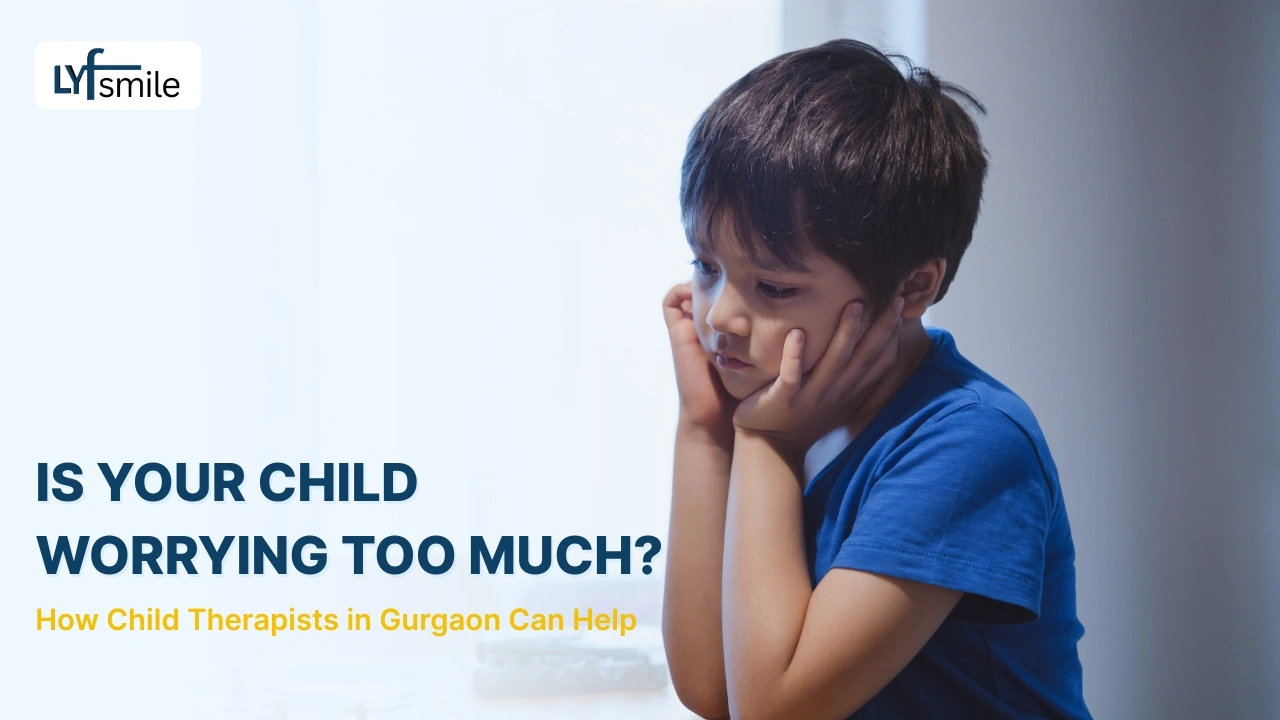
Children may worry about school, friendships, family changes, or making mistakes. Occasional worry is a normal part of growing up, but persistent worrying can affect sleep, concentration, confidence, and daily activities. Understanding why your child worries so much can help you respond with patience and recognise when professional support may be useful.
Occasional worry helps children prepare and adapt, but when a child begins worrying too much or too often, it can affect their emotions, behaviour, and daily routine. Excessive worry may lead to constant fear, difficulty concentrating, sleep problems, or physical complaints such as headaches and stomach aches.
For parents looking for a child therapist in Gurgaon, the first step is to understand the child’s concerns, how long they have lasted, and whether they interfere with everyday life.
In Gurgaon, child therapists help children recognise their worries, healthily express emotions, and learn coping skills that reduce anxious thinking. They also support parents in responding calmly and effectively, helping children feel safe and emotionally secure. This blog explains how child therapists can help when a child is worrying too much and why early guidance makes a difference.
If your child's worries continue for weeks or begin affecting school, sleep, or daily activities, professional Child Counseling from an experienced Child Therapist can help. Early Child Mental Health Counseling teaches children healthy coping skills and prevents excessive worry from becoming long-term anxiety.
Key Signs Your Child May Be Over-Worrying (Child Anxiety Symptoms & Early Warning Signs)
Children don’t always express anxiety in words; often, it shows up through behaviour, physical complaints, or changes in daily routines. Recognising these early signs of child anxiety can help parents take timely steps and provide the right emotional support.
Physical Complaints (Psychosomatic Symptoms in Children): Frequent stomachaches, headaches, nausea, fatigue, or muscle tension without a clear medical cause
Avoidance Behaviours (School Refusal & Social Anxiety in Kids): Refusing to go to school, avoiding social situations, separation anxiety, or not wanting to sleep alone
Constant Reassurance Seeking (Childhood Anxiety Patterns): Repeatedly asking “What if…” or “Are you sure…”, needing constant validation from parents or teachers
Sleep Disturbances (Child Sleep Anxiety): Trouble falling asleep, frequent night waking, nightmares, or bedtime resistance
Irritability & Emotional Outbursts (Emotional Dysregulation in Children): Increased tantrums, mood swings, frustration, crying spells, or clingy behaviour
Perfectionism (Performance Anxiety in Children): Excessive fear of making mistakes, overthinking, fear of failure, or avoiding tasks due to pressure to be perfect
Children who experience these symptoms regularly may benefit from Child Anxiety Therapy or Child Counseling for Anxiety. Early support helps children manage anxious thoughts before they begin affecting emotional well-being and everyday functioning.
If you notice several of these signs consistently, it may indicate that your child is struggling with anxiety beyond normal worries. In such cases, consulting a qualified child therapist in Gurgaon can help with early assessment and the right support. Timely intervention makes a meaningful difference in helping children feel secure, confident, and emotionally balanced.
How Small Issues Can Lead to Excessive Worrying in Children
Children often begin worrying about small, everyday things such as schoolwork, minor mistakes, changes in routine, or social situations. At first, this type of worry is normal and usually short-term. However, when a child keeps thinking about the same small issues again and again, the worry does not settle. Instead, it slowly increases and can become excessive over time.
Children are still learning how to understand and manage their thoughts and emotions. Because their thinking skills are developing, they may find it difficult to judge how serious a situation really is. As a result, small problems can feel very big and overwhelming to them.
Repeating “what if” thoughts
When children repeatedly think, “What if I fail?” or “What if something bad happens?”, their mind stays focused on fear rather than solutions. These repeated thoughts keep the worry active, even when there is no real danger.Constant worrying keeps the body alert
Ongoing worry can keep the body in a stressed state. This may cause the child to feel tense, nervous, restless, or unable to relax, even during calm and safe moments.Worry slowly turns into anxiety
When excessive worrying continues for a long time, it can develop into anxiety. The child may start feeling worried most of the day, even without a clear reason, and may struggle to feel calm.Physical symptoms may appear
Anxiety often shows up through the body. Children may complain of stomach aches, headaches, poor sleep, or feeling tired all the time, even when there is no medical problem.Avoidance becomes common
To escape uncomfortable feelings, a worried child may begin avoiding school, friends, or new activities. This avoidance can affect learning, social development, and confidence.Worry and anxiety reinforce each other
Without learning healthy coping skills, worry and anxiety can grow together. The child may feel stuck in a cycle where worrying increases anxiety, and anxiety leads to even more worry.
If small worries are not addressed early, they can turn into anxiety. However, with calm parental support and guidance from a child therapist, children can learn to manage their worries, feel emotionally safe, and build confidence in daily life. Consistent Child Emotional Support from parents, along with timely professional guidance, helps children feel safe, express their emotions openly, and gradually reduce excessive worrying.
Therapist Tips for Parents When a Child Feels Anxious
 When a child worries too much about small things, guidance from a child therapist can help parents understand how to respond in healthy ways. The focus is on helping children feel safe, supported, and better able to manage their worries over time.
Listen carefully and with patience: Give your child full attention when they talk about their worries. Avoid interrupting, correcting, or rushing them. When children feel heard and understood, their worry often reduces because they feel less alone.
Accept your child’s feelings: Let your child know that feeling worried sometimes is normal. Avoid saying things like “You are overthinking” or “There is nothing to worry about,” as this can make children feel misunderstood or ignored.
Stay calm and supportive: Children closely watch how parents react. When parents stay calm and steady, children feel safer and learn that the situation is not dangerous and can be handled.
Help your child talk through the worry: Gently ask questions like “What is worrying you?” or “What do you think might happen?” Talking through worries helps children organise their thoughts instead of feeling overwhelmed.
Avoid repeated reassurance: Saying “everything will be fine” again and again may only help for a short time. Instead, help your child think about what they can do when worry comes up, such as taking a breath or asking for help.
Teach simple calming skills: Show your child easy ways to calm down, such as slow breathing, counting slowly, stretching, or sitting quietly for a few minutes. These skills help the body relax when worry increases.
Keep daily routines steady: Regular sleep, meals, school time, and play create a sense of predictability. When children know what to expect, they feel more secure and less anxious.
Encourage play and physical activity: Playing, running, drawing, or other creative activities help release stress and improve mood. Play also gives children a healthy break from worrying thoughts.
Know when extra support is needed: If worry starts affecting your child’s sleep, school performance, friendships, or daily behaviour, extra support may be helpful. Getting help early can prevent worry from becoming more serious.
With consistent parental support and the right guidance, children can slowly learn to manage worry, feel more confident, and handle everyday challenges more calmly. Child Therapy Guidance can lead to manage excessive worry in children.
How Therapists Support Children Who Worry Too Much
When a child worries for a long time, it can become difficult for them to control their thoughts and emotions. Therapists help children understand their worries and feel safe while learning healthier ways to cope. Therapy offers a calm and supportive space where children can slowly reduce worry and build confidence.
Therapists create a safe and comfortable environment where children feel free to talk about their worries without fear or pressure.
Children are helped to understand why they worry so much, with thoughts explained in a simple way that makes sense to them.
Easy coping skills, such as deep breathing and calming exercises, are taught to help relax the body and mind.
Therapy helps children break the habit of repeated worrying and learn how to shift focus away from negative thoughts.
Confidence is built by encouraging small steps, problem-solving skills, and gradual exposure to situations that cause worry.
Parents are guided on how to support their child at home in ways that do not increase worry or anxiety.
With regular support from therapy and understanding from parents, children can reduce ongoing worry, feel more emotionally secure, and handle everyday situations more calmly.
When to Consult a Child Therapist or Child Psychologist for Your Child
 Some worry is a normal part of childhood, but when a child worries too much or for a long time, it can start affecting emotions, behaviour, and daily life. Parents should think about consulting a child therapist when worry does not reduce even after support and reassurance at home. Ongoing worry can slowly turn into anxiety if it is ignored. Early guidance from a child therapist helps children understand their worries, learn coping skills, and feel emotionally safe.
Parents should consider child therapy if:
The child worries almost every day and finds it hard to relax or calm down.
Worry starts affecting sleep, school performance, or daily routine.
The child avoids school, friends, or activities because of fear or worry.
Physical complaints like stomach aches or headaches happen often without medical reasons.
Reassurance from parents helps only for a short time and worry keeps coming back.
The child becomes very sensitive, irritable, or withdrawn.
Parents feel unsure about how to help or notice worry is getting worse.
A child therapist helps by understanding the root cause of worry, teaching healthy ways to manage anxious thoughts, and supporting children and parents through both online and in-person sessions.
Online and In-Person (Clinic) Child Therapy Sessions
Child therapy sessions are available both online and in person at the clinic, so families can choose the option that feels best for their child. Both formats focus on helping children manage worry, understand their emotions, and build confidence, while also guiding parents on how to support their child at home.
Online Therapy Sessions
Conducted through secure video calls from home
Helpful for children who feel more comfortable in a familiar space
Flexible for families with busy schedules or travel difficulties
Allows parents to join easily when guidance is needed
Focuses on talking, emotional support, and simple coping skills
In-Person (Clinic) Therapy Sessions
Conducted at the clinic in a safe, child-friendly environment
Helpful for children who respond better to face-to-face interaction
Uses play, activities, and visual tools to express feelings
Allows closer observation of behaviour and emotional responses
Provides structured support and direct parent guidance
Both online and clinic sessions work toward the same goal, helping children feel calmer, manage worry better, and cope with everyday challenges healthily.
What Should You Do When Your Child Overthinks Small Things?
Start by listening without dismissing your child’s concerns. Ask what they think might happen, help them separate what they know from what they fear, and work together on one manageable next step. Maintain regular sleep and play routines, and avoid pressuring your child to stop worrying immediately.
If the worry continues, affects school or sleep, or leads to avoiding everyday activities, consider speaking with a qualified child mental health professional. The aim is to understand the child’s needs rather than label every worry as an anxiety disorder.
Unsure If Your Child Needs Therapy? Try an Assessment First
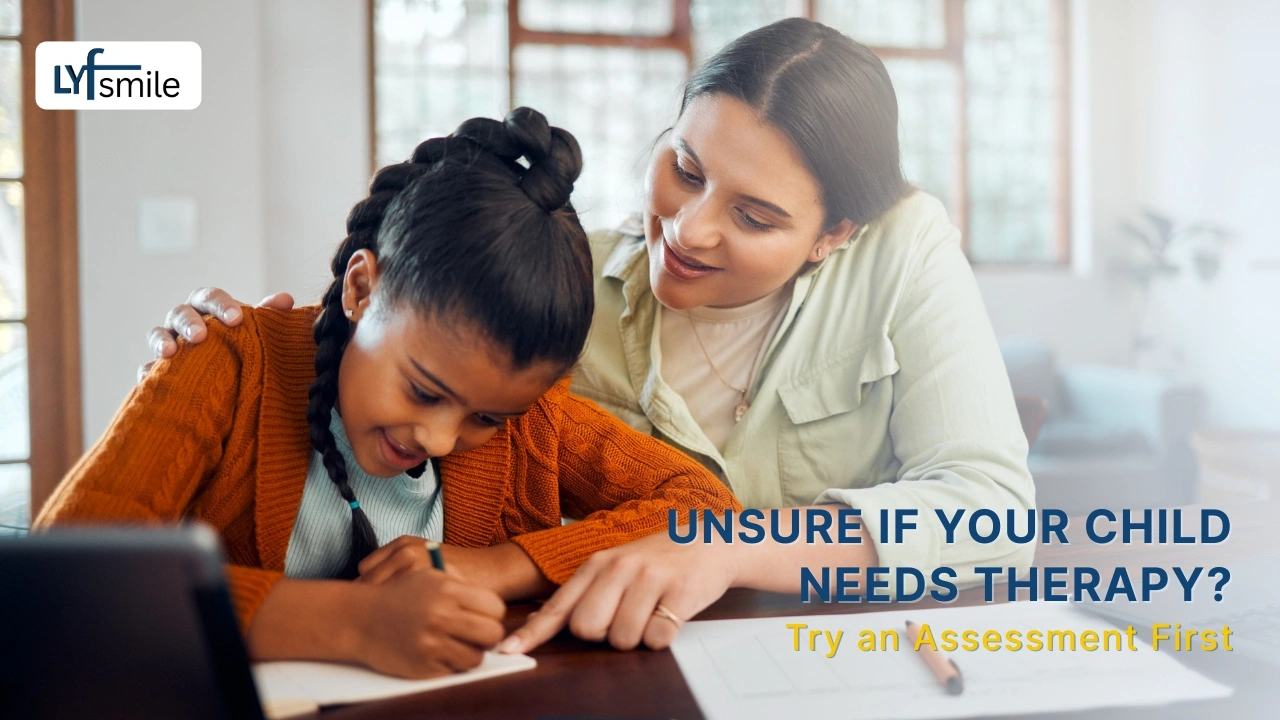 Many parents feel unsure whether their child’s worries are normal or need professional help. A simple assessment helps clear this confusion by understanding the child’s emotions, behaviour, and level of anxiety in a calm, supportive setting. It allows parents to share concerns, helps the child express feelings safely, and gives clear insight into whether it’s temporary stress or something deeper. Based on this, parents receive guidance on the next steps-whether home support is enough or therapy is recommended.
The assessment helps identify what the child is worrying about and how often the worry appears.
Parents can share detailed concerns, daily challenges, and any changes they have noticed at home or school.
The child is encouraged to express thoughts and feelings in a safe and non-judgmental environment.
The therapist observes emotional responses, thinking patterns, and behaviour linked to worry.
It helps understand whether the worry is temporary stress, emotional overload, or related to anxiety.
Parents receive clear feedback and guidance on whether therapy is needed or if simple support at home is enough.
If therapy is recommended, the assessment helps decide the right approach for the child.
Starting with an assessment makes decision-making easier and ensures the child gets the right support at the right time. The assessment is available at a fee of ₹500.
Child Counselling Fees and Affordable Support Options
The cost of child counselling can vary depending on the professional’s qualifications, session format, duration, and the type of support recommended. Parents can ask about session fees, assessment charges, and whether online counselling is suitable for their child before booking.
Lyfsmile offers affordable counselling starting at ₹30 per minute, along with a free 15-minute consultation. Parents can use the initial consultation to discuss their concerns and understand the available next steps. Confirm the applicable fee and session details before booking.
Conclusion
Worry is a normal part of a child’s emotional growth, but when a child begins to worry too much, it can slowly affect their thoughts, behaviour, confidence, and daily life. Small worries can grow into constant stress if children do not learn how to manage their thoughts and emotions in a healthy way. Understanding how worry develops, recognising its impact, and responding with patience and care are important steps for parents.
Parental support plays a key role in helping children feel safe and understood. At the same time, guidance from a child therapist can provide children with the right therapy to manage excessive worry, reduce anxiety, and build emotional strength. Through online or in-person therapy sessions, children can learn coping skills, gain confidence, and feel more in control of their emotions.
With consistent support from parents and professional guidance when needed, children can move past excessive worry, feel calmer, and handle everyday challenges more healthily and confidently.
Frequently Asked Questions (FAQs)
1. Why does my child worry about everything all the time?
Children worry a lot because their thinking and emotional skills are still developing. Small situations can feel big and scary to them, especially if they imagine many “what if” outcomes. Some children are naturally more sensitive, while others may be reacting to stress at school, changes at home, or pressure to do well. When a child does not yet know how to manage these thoughts, worry can seem constant.
2. How do I know if my child’s worrying is normal or anxiety?
Normal worrying usually comes and goes and does not stop a child from enjoying daily life. Anxiety is more intense and lasts longer. If your child worries most days, struggles to calm down, avoids activities, or shows physical symptoms like stomach aches or sleep problems, the worry may be turning into anxiety. A child therapist can help identify the difference clearly.
3. Can excessive worrying affect my child’s school performance?
Yes. Excessive worrying can make it hard for children to concentrate, remember lessons, or participate in class. Worry may also lead to fear of making mistakes, test anxiety, or avoiding school altogether. Over time, this can affect learning, confidence, and academic progress.
4. How can I calm my child who is always scared of small things?
Start by listening calmly and taking your child’s fear seriously. Avoid saying “there is nothing to worry about.” Help your child talk about what scares them and teach simple calming skills like slow breathing or taking breaks. Keeping routines stable and responding with patience helps children feel safe. If fear continues, professional guidance can help.
5. Does overthinking in children affect their mental health?
Yes. Constant overthinking can keep a child’s mind in a stressed state, which may lead to anxiety, emotional exhaustion, low confidence, and mood changes. If overthinking is not addressed early, it can affect a child’s overall mental and emotional well-being.
6. What causes some children to worry more than others?
Some children are naturally more sensitive or cautious. Others may be affected by family stress, school pressure, social difficulties, or past experiences. A child’s environment, personality, and coping skills all play a role. Children who have not yet learned how to manage emotions may worry more often.
7. Are there therapy options for children who worry too much?
Yes. Child therapy helps children understand their worries, manage anxious thoughts, and learn healthy coping skills. Therapy is done in a child-friendly way and often includes parents. At Lyfsmile, child therapists offer both online and in-person sessions to support children who struggle with excessive worry.
8. Can parents do anything to reduce their child’s anxiety at home?
Absolutely. Parents can try listening without judging, staying calm, and avoiding repeated reassurance. They can also try encouraging healthy routines such as proper sleep, regular play, and daily structure. Teaching simple relaxation techniques and allowing children to express their emotions openly can make a big difference. The way parents respond at home plays an important role in helping reduce a child’s anxiety.
9. How do I tell if worrying is turning into an anxiety disorder?
If worry lasts for weeks or months, affects sleep, school, friendships, or daily activities, and does not improve with reassurance, it may be more than normal worry. Physical symptoms, avoidance behaviour, and constant fear are also warning signs. At Lyfsmile, a child therapist can assess this and guide parents appropriately.
10. Can lifestyle changes help reduce my child’s excessive worrying?
Yes. Small lifestyle changes can support emotional balance. Regular sleep, limited screen time, physical activity, creative play, and a predictable routine help reduce stress. While lifestyle changes are helpful, children with ongoing worry may still need professional support to learn coping skills.