

Sarvesh Kumari
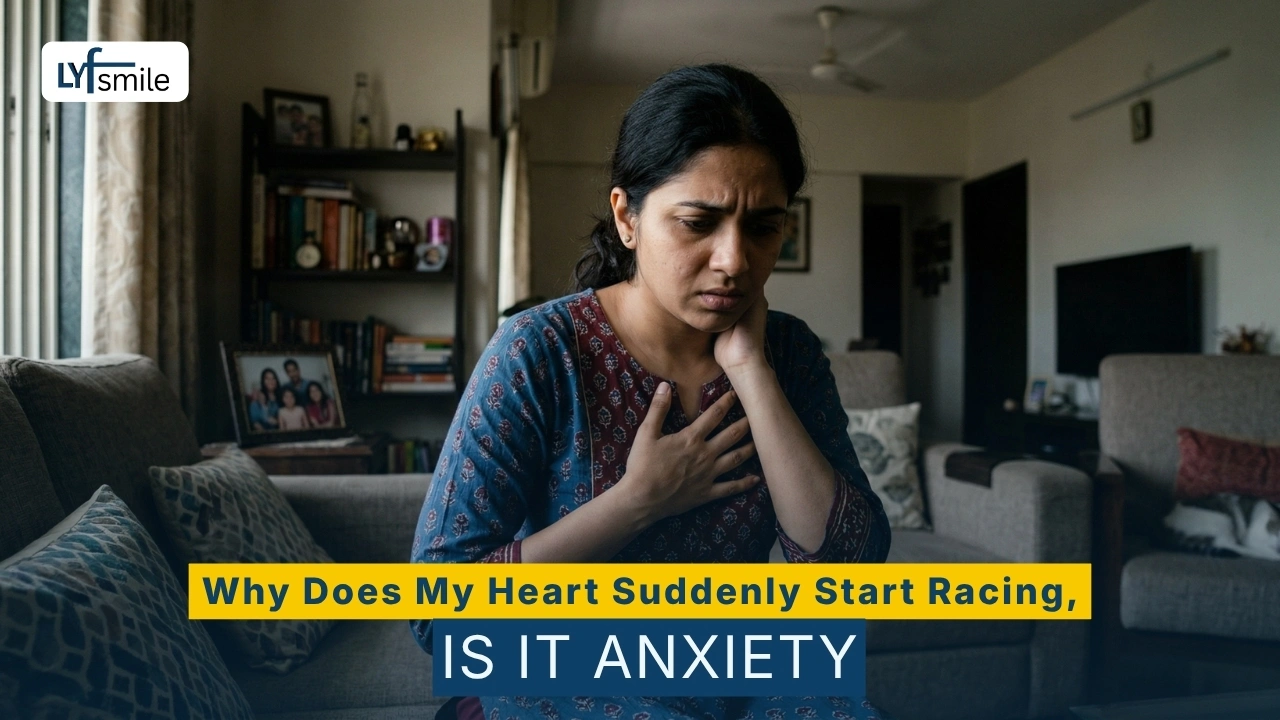
Why Does My Heart Suddenly Start Racing? Is It Anxiety
When your heart suddenly starts racing, it can feel scary and confusing. Many people feel like something is wrong, even when there’s no clear reason. In most cases, this happens because of anxiety, causing heart racing, where your body reacts quickly to stress or fear. When you feel anxious, your body releases adrenaline, triggering a “fight or flight” response and making your heart beat faster. Even small things like overthinking, stress, caffeine, or lack of rest can lead to this feeling. Along with it, you may notice uneasiness or a constant sense that something isn’t right, but often it’s your mind reacting rather than real danger. With time, understanding this and learning how to calm yourself can help you feel more in control, and even simple things like slowing down your thoughts or trusting the process can make a difference.
What’s behind sudden heart racing, and how to manage it better
Your heart suddenly starts beating fast, and it can feel confusing when you don't understand why it’s happening. In many cases, this is your body’s natural response to stress, fear, or internal tension, even if you are not fully aware of it in that moment.
There can be different reasons behind this feeling:
Emotional or mental stress: anxiety, panic attacks, or sudden fear can quickly increase your heart rate
Caffeine or stimulants: too much coffee, tea, or energy drinks can trigger it
Medications: Some cold medicines or inhalers can affect your heartbeat
Lifestyle factors: dehydration, low sugar levels, or lack of rest
Physical conditions: issues like thyroid imbalance, anaemia, or irregular heart rhythm
Along with a fast heartbeat, you might also notice chest discomfort, uneasiness, or a constant feeling that something is not right. This is where many people start looking for chest anxiety help, especially when the sensation feels new or intense.
If this keeps happening, speaking to an anxiety symptoms therapist can help you understand whether it is anxiety-related or something that needs further medical attention. At places like Lyfsmile, the focus is on helping you understand these patterns in a simple, supportive way so you can feel more in control of what your body is going through.
How does this start showing up in your body and thoughts
Anxiety often manifests in your thoughts and body at the same time, even if you don't notice it at first. A simple thought like “something is not right” can quietly trigger a stress response inside you.
Your body reacts first:
When your mind feels stressed, your body releases stress hormones. This can lead to tightness in your chest, headaches, a racing heartbeat, or even a strange sinking feeling in your stomach.Your thoughts follow the same pattern:
You may start overthinking, expecting the worst, or feeling uneasy without a clear reason. These thoughts can make the physical symptoms feel even stronger.You may notice a pattern over time:
Symptoms often get worse during stressful moments. For example, your body might feel more tense before a meeting, at night, or when you're alone with your thoughts.It’s important to rule out medical causes:
Getting checked by a doctor helps you be sure that nothing serious is going on physically. But when reports are normal, and the symptoms still come back, it is often your mind and body reacting to stress.
Understanding this connection is the first step. When you start noticing how your thoughts affect your body, it becomes easier to manage both. Talking to a therapist for anxiety symptoms can help you understand these patterns and reduce the intensity over time. With the right anxiety support therapist, you can slowly feel more in control instead of overwhelmed. If this feels familiar, support from places like Lyfsmile can guide you in understanding these patterns better, in a way that feels natural and not overwhelming.
What you can do in the moment to calm things down
Sudden anxiety with a racing heart can feel intense, but a few small actions can help your body settle and reduce the pressure in that moment.
Ground yourself (3-3-3 method):
Look around and name 3 things you can see, 3 things you can hear, and move 3 parts of your body. This helps shift your focus away from a sudden racing heart due to anxiety and brings you back to the present.Focus on your senses:
Hold something cold, smell a fragrance, or slowly sip a drink. This kind of chest-anxiety help can reduce the intensity of what you’re feeling.Slow down your breathing:
Take slow, deep breaths. This helps your heart rate settle and tells your body that you are safe.Change your environment:
Step outside, sit in a quiet place, or move away from noise. Even a small change can calm your mind; this is especially helpful for people dealing with “relocation anxiety in Gurgaon."Reassure yourself:
Tell yourself, "This feeling will pass” or “I’m okay right now.” It may feel simple, but it works.Write it out:
If your thoughts feel too heavy, write them down quickly. It helps clear your mind and reduces overthinking.
These small steps are not about stopping anxiety instantly but about helping your body come out of the stress response naturally. With practice, they start feeling easier and more automatic.
If heart racing caused by anxiety or chest anxiety keeps happening frequently, getting proper chest anxiety help can make a real difference. Support from Lyfsmile can help you understand your triggers and manage them in a calmer, steadier way.
How to tell if shortness of breath is a form of anxiety?
Shortness of breath is one of the most common physical symptoms of anxiety. During periods of stress, panic, or excessive worrying, the body's fight-or-flight response becomes activated, causing breathing to become faster and shallower. This can create the sensation that you are unable to take a deep breath or get enough air.
In many cases, shortness of breath from anxiety appears suddenly and may be accompanied by other symptoms such as a racing heart, chest tightness, dizziness, sweating, or feelings of panic. These symptoms often become worse during stressful situations and gradually improve as the body begins to relax.
Unlike breathing difficulties caused by certain medical conditions, anxiety and breathing problems may come and go and are often linked to emotional stress or panic attacks. Learning relaxation techniques, practising slow breathing exercises, and addressing the underlying anxiety can help reduce these symptoms.
However, persistent breathing difficulties, severe chest pain, fainting, or symptoms that are new or worsening should always be evaluated by a healthcare professional to rule out other possible causes.
When it keeps happening, getting the right support can really help!
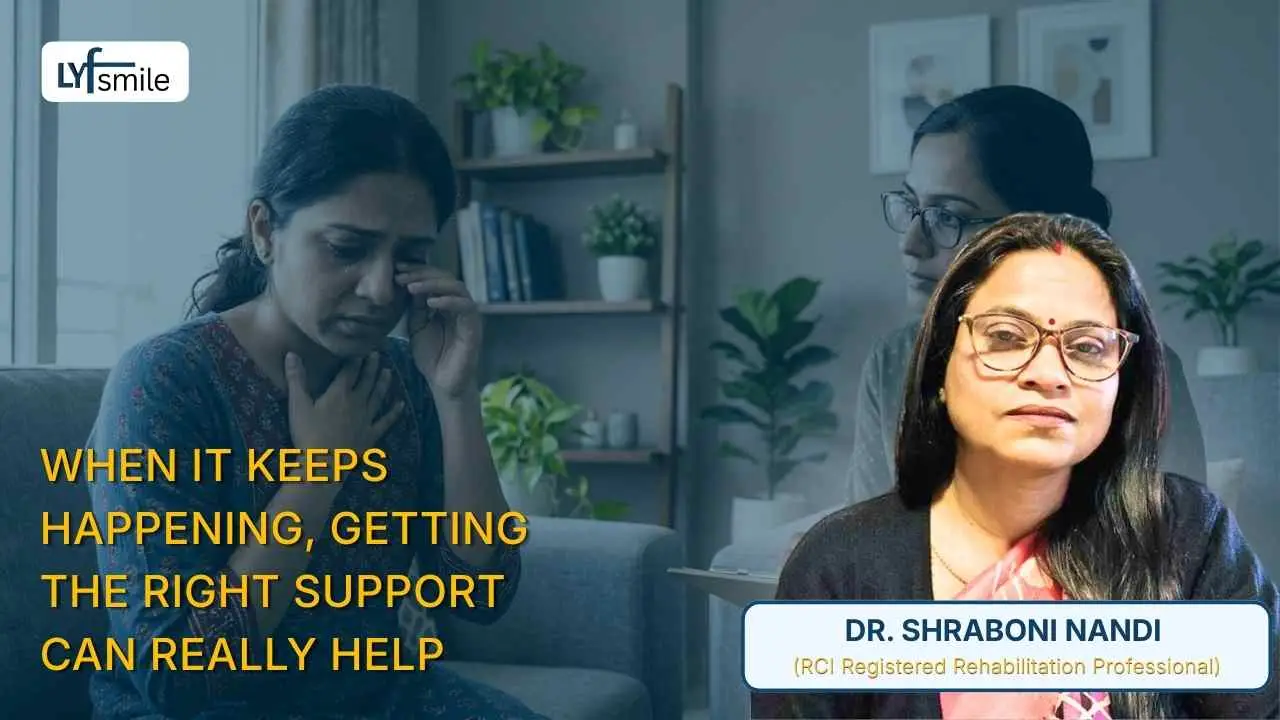 When symptoms like a racing heart, worry, or overthinking repeat, it often means your mind is stuck in a stress loop. Support can help you understand and manage these reactions better. At Lyfsmile, experienced professionals offer simple and practical guidance for real-life emotional struggles.
How support helps:
Understand the root causes of anxiety
Reduce overthinking and isolation
Build emotional balance and coping skills
Dr Shraboni Nandi (RCI Registered Rehabilitation Professional) has 20+ years of experience in psychology and works with anxiety in a practical, patient-focused way. People dealing with fast heartbeats and anxiety-related physical reactions often benefit from heart-racing anxiety treatment, which helps in gaining better control.
In situations where panic episodes keep returning, panic disorder therapy in Gurgaon provides structured support to manage symptoms step by step.
For those who constantly worry about health or bodily sensations, health anxiety counselling helps reduce fear and brings clarity. With consistent support, individuals slowly feel calmer, more aware of their patterns, and better able to manage daily anxiety.
If these symptoms feel difficult to manage, reaching out for support at Lyfsmile and booking your session today can be a helpful first step toward feeling better
Frequently Asked Questions (FAQs)
Can anxiety cause a racing heart?
Yes, anxiety can cause a racing heart. When the body enters a stress response, adrenaline levels increase, which can make your heart beat faster. Many people with anxiety experience heart palpitations, a pounding heartbeat, or a fluttering sensation.
Can anxiety cause heart palpitations?
Yes, anxiety can cause heart palpitations. People may notice skipped beats, fluttering sensations, or an unusually strong heartbeat, especially during periods of stress or excessive worrying
Do anxiety and heart disease feel similar?
Some symptoms of anxiety and heart disease can feel similar, including chest discomfort, shortness of breath, and a racing heartbeat. A medical evaluation can help determine the underlying cause
What are common triggers of heart palpitations?
Common triggers include stress, anxiety, caffeine, dehydration, lack of sleep, and sometimes certain medications. In some cases, doctors may also check for thyroid or heart-related conditions.
How can I calm heart palpitations caused by anxiety?
Slow breathing, grounding techniques, and stepping away from stressful situations can help in the moment. Regular lifestyle changes and stress management techniques also reduce how often they happen.
When should I see a doctor for heart palpitations?
If palpitations happen very frequently, last long, or come with dizziness, chest pain, or shortness of breath, it’s important to consult a doctor to rule out any underlying condition.