Diksha Shankhwar
How to Deal with Toxic People: 10 Key Red Flags You Must Know
Dealing with toxic people can feel emotionally draining, whether it’s constant criticism, manipulation, or feeling unheard in relationships. Many people try to ignore these patterns, hoping things will improve on their own, but over time, it can start affecting your mental health, leading to stress, anxiety, and even symptoms of depression.
The challenge is that toxic behavior isn’t always obvious. It often shows up in subtle ways, making it hard to identify and even harder to deal with. Recognizing these patterns early is the first step toward protecting your emotional well-being.
If you’ve been feeling overwhelmed, confused, or stuck in such situations, understanding the signs and knowing "how to respond can make a real difference."
What Defines a Toxic Person? 10 Red Flags to Watch For
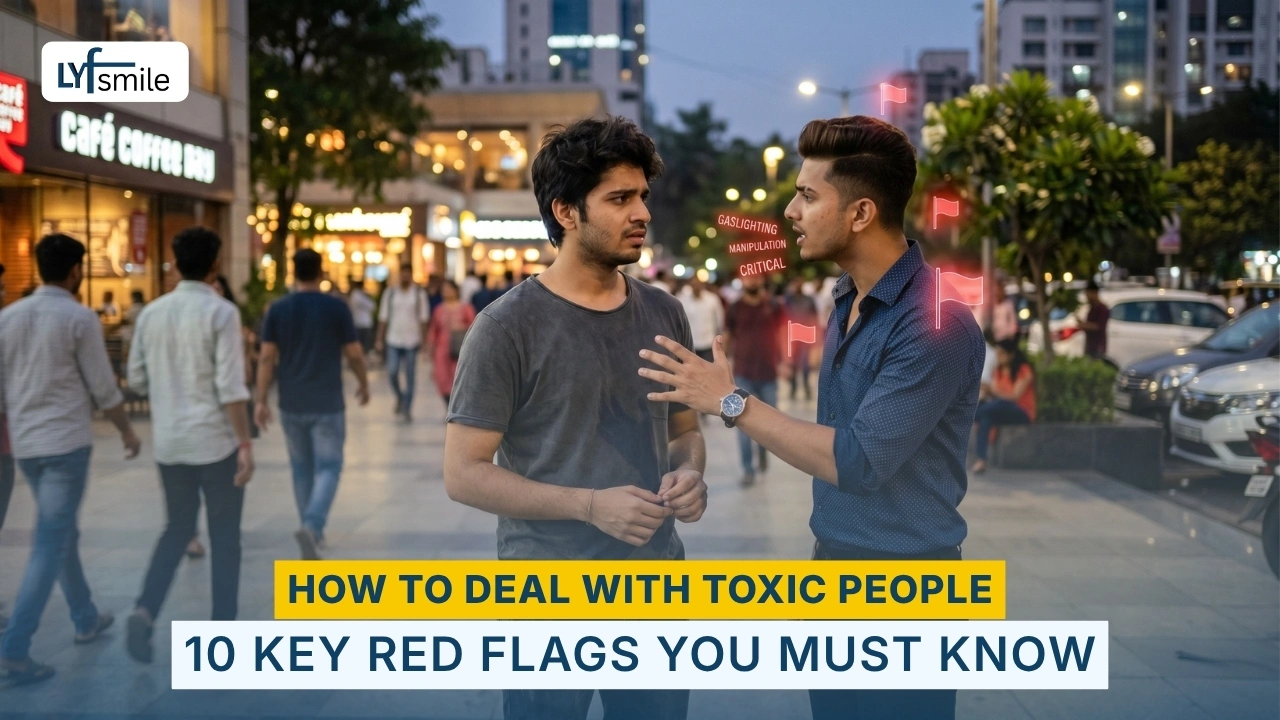
 Toxic people often display repeated patterns of manipulation, criticism, blame-shifting, or controlling behaviour, while focusing heavily on getting things their way.All these actions drain the energy of others who surround them, spreading toxicity.
The top 10 red flags that you can watch in toxic people are
They may use excessive charm or flattering words to gain your trust, influence your decisions, or get their way.
They always try to make you inferior.
They may shift blame onto you for things you are not responsible for instead of taking accountability for their own behaviour.
They may shift blame onto you for things you are not responsible for instead of taking accountability for their own behaviour.
Repeated dishonesty, hiding important information, or changing their story can be another warning sign.
Manipulation is their favorite act. They manipulate others very easily.
Toxicity can also be present in the form of abuse. It can be emotional, physical, or verbal.
Spot a toxic person by the way they treat themselves. Toxic people are narcissistic, and they only care about themselves
They may struggle to celebrate your success, minimise your achievements, or become noticeably resentful when you do well.
They may turn disagreements into arguments, dismiss your perspective, or focus more on proving themselves right than resolving the issue.
How to Deal with Toxic People Online and at Home
 Dealing with toxic people isn’t the same in every situation. The way things feel at home is very different from what you experience online, and both can affect your mental space in their own ways.
At home, it can feel more intense because it’s your personal space. When the environment starts feeling heavy, it impacts your mood throughout the day. This is where how to deal with toxic people at home really matters. Small steps like setting clear boundaries, choosing not to react to every situation, and giving yourself some emotional space can make things easier over time. It’s less about changing the other person and more about protecting your own peace.
Online situations are different, but they can still affect you more than you expect. Social media and messaging platforms can expose you to negativity without warning. Understanding how to deal with toxic people online can help you avoid unnecessary stress, and in some cases, online psychologist consultation can also give you the right guidance when things start affecting you emotionally. Sometimes the best response is no response; muting, blocking, or simply stepping away can give you that space.
Even after you step back, certain interactions can stay in your mind. If you notice yourself overthinking or feeling affected, talking it out can help. Online psychologist consultation can be a simple and private way to get clarity and learn how to handle these situations in a more balanced way.
What If You Can't Avoid a Toxic Person?
Walking away completely is not always possible. The person may be a family member, colleague, partner, or someone you have to interact with regularly.
In these situations, focus on what you can control rather than trying to change the other person:
Limit unnecessary interaction: Keep conversations short and focused when possible.
Set clear boundaries: Be specific about what behaviour you will and will not accept.
Stay neutral: Avoid getting pulled into repeated arguments or emotional reactions.
Don't over-explain: You do not have to repeatedly justify your choices or boundaries.
Have an exit strategy: If a conversation becomes unhealthy, step away and return to it later if necessary.
Protect your safety: If the situation involves threats, harassment, violence, or fear, seek appropriate support and prioritise your safety.
Why Do We Keep Going Back to Toxic People?
Knowing that someone is hurting you does not always make it easy to walk away. Emotional attachment, guilt, hope, fear of conflict, or simply familiarity can make it difficult to distance yourself.
You may find yourself thinking, “Maybe I am overreacting,” or “Maybe things will change.” But understanding someone's behaviour does not mean you have to tolerate it.
Ask yourself:
Am I staying because I genuinely feel safe and respected, or because I hope the person will change?
Do I regularly doubt myself after interacting with them?
Has this relationship started affecting my confidence or peace of mind?
Am I constantly trying to manage their reactions?
The important question is not only, “Are they toxic?” but also, “What is this relationship doing to my emotional well-being?”
If you find yourself repeatedly overthinking conversations, Lyfsmile’s guide on how to stop overthinking may also help you understand these thought patterns.
Do’s and Don’ts for Dealing with Toxic Behavior
Knowing what to do when someone repeatedly crosses your boundaries can make difficult interactions easier to manage. You don't have to win every argument or change the other person. The goal is to protect your emotional well-being and respond in a way that works for your situation.
Do’s
Set clear boundaries: Be specific about what behaviour you will and will not accept.
Keep your responses neutral: Short, calm responses can help when someone is trying to provoke you.
Limit unnecessary interaction: Reduce the amount of time and personal information you share when possible.
Take a step back: Give yourself time to calm down before responding to an overwhelming interaction.
Stay connected with supportive people: Talk to trusted people who can offer perspective and support.
Pay attention to patterns: Focus on repeated behaviour rather than one isolated argument.
Protect your mental space: Another person's criticism or anger does not automatically define your worth.
Don’ts
Don't try to fix or change the person: You can communicate your boundaries, but you cannot control their choices.
Don't keep explaining yourself: You do not need to repeatedly justify every decision or boundary.
Don't get pulled into every argument: Not every accusation or provocation needs a response.
Don't ignore repeated boundary violations: If someone repeatedly crosses the same boundary, reconsider how much access they have to you.
Don't blame yourself for their behaviour: Their actions and emotional reactions are their responsibility.
Don't isolate yourself: Maintain healthy connections instead of dealing with everything alone.
Don't put your safety at risk: If the behaviour involves threats, harassment, or violence, prioritise your safety and seek appropriate support.
How Can Toxic People Affect Your Mental Health?
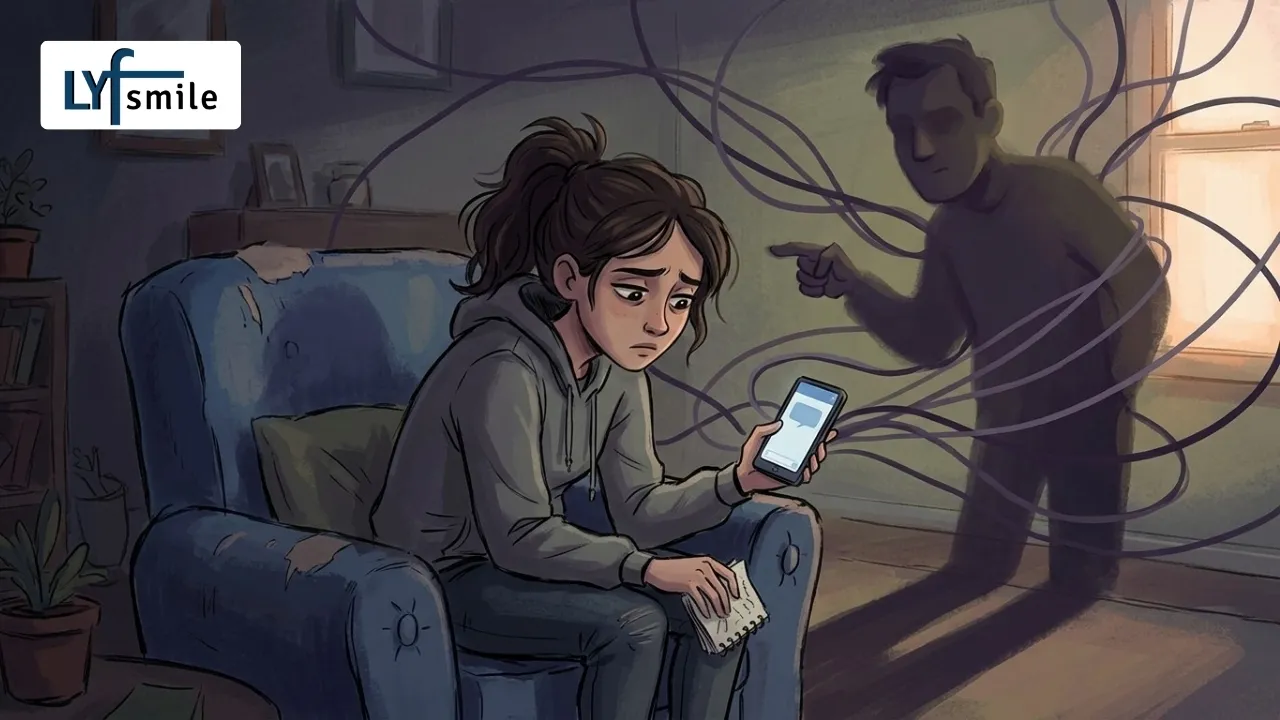
Repeated criticism, manipulation, blame, or controlling behaviour can gradually affect your emotional well-being.
Some common effects can include:
Constant stress or anxiety
Overthinking conversations and situations
Self-doubt and low confidence
Emotional exhaustion or irritability
Difficulty concentrating or relaxing
Feeling responsible for someone else’s emotions
If you notice that your interactions with someone are repeatedly affecting your peace, confidence, relationships, or everyday life, it may be worth looking at the pattern more closely.
For more on persistent worry and its impact on everyday life, read Lyfsmile’s guide on how anxiety can affect daily life.
When Should You Consider Professional Help?
 When you feel emotionally drained most of the time
When setting boundaries doesn’t work
When your confidence or mental peace is affected
When you feel stuck and unsure what to do next
Save your energy and invest it in the right places by using these strategies. Cut the connections with people who are toxic and focus on your own growth! Talk to a famous psychologist in India if you want to learn more strategies for dealing with toxic people.
How does therapy help in dealing with toxicity and toxic relationships?
 therapy for depression can show you a path towards healthy living by providing you with the right tools for handling toxicity at the workplace and even in your family space. Online therapy with best psychologist in India can help you in following ways:
Therapy helps you in becoming aware, and it helps you in identifying actions of others that are toxic. By being aware you can protect your peace and you can act accordingly.
Even if you are hurt by the toxic behavior of your close friend, family member, etc., therapy helps in regaining your confidence, and it heals the psychological effects of toxic people.
Save yourself from long-term effects of toxicity on mental health by learning more about your mental well-being and emotions with a professional therapist.
Master the art of being positive while interacting with toxic coworkers and shine well!
alongside difficult relationships. You can explore the Lyfsmile specialist team to find a professional suited to your concerns.
For concerns involving repeated criticism, manipulation, controlling behaviour, or emotional abuse, you can also read Lyfsmile’s guide on emotional and verbal abuse counselling.
How Lyfsmile Can Help You Deal With Toxic People
Dealing with toxic people can leave you confused, emotionally drained, or unsure about how to respond. At Lyfsmile, mental health professionals can help you understand unhealthy behavior patterns, manage the emotional impact, and develop healthier ways to respond.
Whether the toxic person is a family member, friend, colleague, or someone close to you, therapy can provide a safe space to talk about what you're experiencing without judgment.
Learn to Set Healthier Boundaries
Setting boundaries with toxic people can be difficult, especially when you feel guilty for saying no or worry about how the other person will react. A mental health professional can help you identify your limits, communicate them clearly, and handle difficult interactions without constantly putting your own well-being aside.
Get Support for Stress, Anxiety, and Emotional Exhaustion
Constant exposure to criticism, manipulation, negativity, or controlling behavior can affect how you feel and think. If you are experiencing ongoing stress, anxiety, overthinking, low confidence, or emotional exhaustion because of someone else's behavior, professional support can help you work through these feelings and regain a sense of control.
Online and Offline Therapy at Lyfsmile
Lyfsmile offers both online and offline therapy, so you can choose the format that feels more comfortable for you. The first 15 minutes are free for both online and offline sessions. After that, online therapy starts at ₹30 per minute, while the final fee depends on the professional and your support needs.
Before booking, confirm the current fee, session duration, and payment terms with the professional.
Explore Lyfsmile's mental health professionals to find support that fits your needs.
Know the Signs, Protect Your Well-Being
Toxic people can have a deeper impact on your mental and emotional well-being than you may realize. Recognizing these patterns and setting boundaries is an important first step, but handling such situations consistently can be challenging.
If these experiences are affecting your peace of mind, confidence, or relationships, it may be time to look beyond self-help strategies.
Talking to a psychologist can help you gain clarity, set healthier boundaries, and manage toxic relationships in a more balanced way.
Frequently asked questions (FAQs)
Q1. When should I seek professional help for toxic relationships online or at home?
If toxic behavior is affecting your mental health, confidence, or daily life, whether online or at home, it’s a good idea to seek professional support.
Q2. Can an online psychologist consultation help me deal with toxic people?
Yes, an online psychologist consultation can help you understand patterns, set boundaries, and learn healthier ways to handle toxic relationships.
Q3. Is online psychologist consultation effective for relationship stress?
Online psychologist consultation can be very effective, as it offers flexibility and allows you to get professional support from the comfort of your home.
Q4. How do I deal with toxic people online without affecting my mental health?
You can limit interactions, avoid unnecessary arguments, and use blocking or muting features. If it still feels overwhelming, seeking guidance through an online psychologist consultation can help.
Q5. How do I know if I need online counseling or can handle it myself?
If self-help strategies aren’t working or you feel emotionally drained, online counseling or consultation with a psychologist can provide clarity and the right direction.
Q6. Can toxic people affect your mental health?
Yes. Regular exposure to criticism, manipulation, controlling behavior, or constant negativity can contribute to stress, anxiety, self-doubt, and emotional exhaustion.
Q7. Should you cut off a toxic person?
Not always. The right approach depends on the situation and your relationship with that person. In some cases, creating distance or stronger boundaries may help, while in others, professional support can help you decide what is healthiest for you.
Q8. How do you deal with a toxic person without losing your peace?
Start by recognizing the behavior, setting clear boundaries, avoiding unnecessary arguments, and limiting your involvement when possible. If the situation continues to affect your emotional well-being, talking to a mental health professional can help.
Q9. Can therapy help me deal with a toxic person?
Yes. Therapy can help you understand the person's behavior, recognize unhealthy patterns, manage your emotional response, build confidence, and develop healthier boundaries.
Q10. What should I do if a toxic person makes me doubt myself?
Pay attention to repeated patterns rather than judging yourself based on one interaction. Writing down what happened, talking to someone you trust, and discussing the situation with a mental health professional can help you gain clarity and trust your own judgment again.
Q11. Is every difficult person a toxic person?
No. Everyone can behave badly or have difficult moments. A toxic pattern is more concerning when harmful behavior is repeated and consistently affects your emotional well-being, boundaries, or sense of self.
Q12. Feeling Stuck in a Toxic Relationship?
Sometimes, even after understanding the signs, it can still feel confusing to handle these situations on your own. It’s normal to feel unsure about what to do next or how to respond.
Talking things through with someone who understands can often bring a different perspective and make it easier to deal with things in a calmer, more balanced way.