

Lakshika Kaushik
How Does Divorce Recovery Therapy Help After Separation?
Separation can change the way everyday life feels. A relationship may no longer function as it once did, yet many decisions may still be unresolved. Once divorce becomes final, another adjustment begins: learning to live with the changes, emotions, and questions that remain.
Divorce recovery therapy offers professional psychological support for this transition. It is not about forgetting the marriage or forcing yourself to “move on.” It provides a confidential space to understand what you have experienced, process difficult emotions, regain confidence in your own decisions, and gradually create a life that feels meaningful again.
Recovery looks different for everyone. Some people struggle during separation, while others feel the emotional impact more strongly after the divorce is over. Professional support can be useful at either stage.
Separation Can Leave Life Uncertain Even Before Divorce Is Final
Separation can place a person in an emotionally complicated position. The relationship has changed, but the future may still be unclear. There may be questions about whether the marriage can be repaired, whether divorce is the right decision, and how life will look if the relationship permanently ends.
This uncertainty can affect many parts of everyday life.
You may find yourself:
Repeatedly thinking about what happened in the relationship
Struggling to make decisions without second-guessing yourself
Feeling anxious about finances, children, family, or living arrangements
Finding communication with your spouse increasingly difficult
Experiencing guilt, anger, sadness, relief, or several emotions at once
Feeling pressure from family or society to make a quick decision
Trying to continue working and managing responsibilities despite emotional strain
Separation counseling can provide a private space during this period. If you are considering counseling during separation, sessions can help you understand your thoughts, recognise your emotional needs, establish appropriate boundaries, and approach difficult decisions with greater clarity. It does not tell you whether to stay married, separate, or pursue divorce.
For some people, separation eventually leads to reconciliation. For others, it leads to divorce. Either way, the emotional work involved in understanding what has happened can be valuable.
And once a marriage ends, the need for emotional adjustment does not necessarily disappear with the legal conclusion.
How Divorce Recovery Therapy Helps You Rebuild Your Life
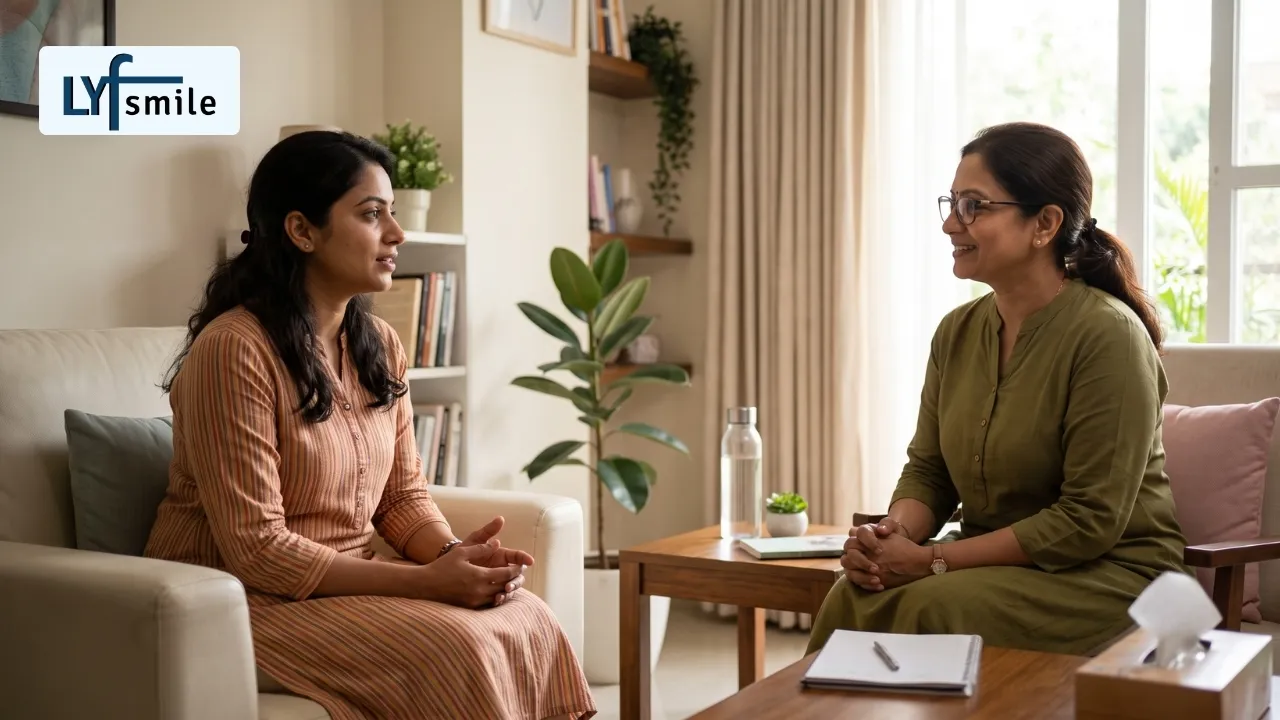 Recovery after divorce involves more than simply returning to a normal routine. If you are trying to understand how to recover emotionally after divorce, it can help to recognise that recovery involves several areas of life rather than one single feeling.
A marriage may have shaped your identity, relationships, responsibilities, expectations, and plans for the future. Adjusting to life after separation can therefore require time and intentional emotional work.
Divorce recovery therapy can help you work through several areas of this transition.
Processing grief and difficult emotions:
Divorce can involve genuine loss. You may grieve the relationship, shared plans, familiar routines, or the future you once expected. Having emotional support after divorce can give you a safe space to process sadness, anger, guilt, loneliness, or mixed emotions without having to hide them.
Rebuilding confidence in yourself:
After a difficult relationship, some people begin questioning their judgment or ability to make decisions independently. Counseling can help you understand these doubts and develop greater confidence in your own choices.
Reconnecting with your identity:
A long-term marriage can become closely connected to how a person sees themselves. After separation, you may need to rediscover personal interests, values, goals, and priorities that feel important outside the relationship.
Understanding what happened:
Recovery can also involve looking at the relationship with greater self-awareness. Examining communication patterns, recurring conflicts, unmet needs, expectations, and personal boundaries can help you understand the past without remaining trapped in it.
Developing healthier boundaries:
If you continue communicating with an ex-spouse because of children, finances, family matters, or other responsibilities, clear boundaries can become important. Therapy can help you communicate your limits while managing difficult interactions more constructively.
Rebuilding your life at your own pace:
Learning how to rebuild life after divorce is not simply about starting over immediately. It may mean developing a different routine, strengthening friendships, pursuing personal goals, becoming more independent, or gradually feeling comfortable with your own life again. If you eventually want another relationship, therapy can also provide space to think about trust, communication, expectations, and boundaries based on what you have learned.
For people living outside India, including NRIs, online divorce counseling can make professional support accessible without requiring travel. Consistent sessions can be particularly useful when recovery is taking place alongside work, parenting, relocation, or limited access to familiar support systems.
Recovery is not about becoming the person you were before the marriage. It can be about understanding who you are now and deciding what you want your life to look like from here.
Take the First Step Toward Recovery With Lyfsmile
At Lyfsmile, individuals in India can access divorce recovery counseling for concerns related to separation, divorce, emotional adjustment, relationship changes, and life after marriage.
Sessions are conducted with qualified counselors in a private setting, allowing you to discuss your circumstances openly and work at a pace appropriate for your situation. Support can focus on grief, emotional stress, confidence, boundaries, relationship patterns, or the practical emotional challenges that continue after separation.
If you are unsure whether counseling is right for you, Lyfsmile offers a free 15-minute consultation as a first step. This gives you an opportunity to explain what you are going through, understand how counseling works, and decide whether you would like to continue.
After the initial 15 minutes, sessions are available at ₹30 per minute, making ongoing affordable divorce counseling accessible for people who may need support over a longer recovery period.
Online counseling is available across India and for NRI clients living abroad. For those who prefer face-to-face sessions, Lyfsmile also provides in-person services at selected locations, including Delhi, Gurgaon, Panipat, and Noida.
You do not have to have everything figured out before starting therapy. Sometimes the first step is simply having a professional space where you can talk honestly about what has changed and what you want from the life ahead.
Frequently Asked Questions
Can I start divorce recovery therapy while I am still separated?
Yes. You do not necessarily have to wait until the divorce is legally finalised. Separation can itself bring significant emotional uncertainty, and counseling can help you work through what you are experiencing during that period.
Is divorce recovery therapy useful if my divorce happened a long time ago?
Yes. Emotional adjustment does not follow a fixed timeline. If unresolved grief, self-doubt, relationship difficulties, or other concerns are still affecting your life, therapy can provide an opportunity to work through them.
What is the difference between separation counseling and divorce recovery therapy?
Separation counseling often focuses on the uncertainty and emotional challenges that arise while a relationship is still in transition. Divorce recovery therapy generally focuses more on adjusting after the marriage has ended and working toward a healthier and more independent future. However, the two areas can overlap depending on an individual's circumstances.
Can therapy help after divorce?
Yes. Therapy can help after divorce by providing a structured space to process grief, understand difficult emotions, rebuild confidence, establish healthier boundaries, and adjust to changes in identity, relationships, and everyday life.
Can I take divorce recovery therapy online?
Yes. Online sessions can be useful for people who have demanding schedules, live in different cities, or are based outside India. Lyfsmile provides online counseling for clients across India and for NRIs.
How do I begin divorce recovery counseling with Lyfsmile?
You can begin with Lyfsmile's free 15-minute consultation. It gives you an opportunity to discuss your concerns and understand the counseling process before deciding whether to continue. Sessions after the initial consultation are available at ₹30 per minute.
Why Is Women’s Safety Important?
Women’s safety is essential for protecting both physical and emotional well-being. Every woman deserves to feel secure and respected without fear of abuse, harassment, threats, or unwanted contact. If you ever feel unsafe, reaching out to someone you trust and seeking appropriate support can help you protect yourself.