


Lakshika Kaushik
Why Children Don’t Listen to Parents: Get Help From Gurgaon Child Therapists
When a child repeatedly ignores instructions, argues about everyday tasks or stops responding during conversations, parents may feel frustrated and unsure how to help. This behaviour can have different causes, including age-related independence, stress, difficulty managing emotions, attention challenges or unclear expectations. It does not automatically mean that a child is deliberately being disrespectful.
Start by noticing when the problem occurs during homework, screen-time limits, morning routines or family conversations. Calm communication, clear instructions and consistent boundaries may help. If the pattern continues or begins affecting school, relationships or family life, a qualified child mental health professional can help parents understand the concern and explore suitable support in Gurgaon.
As parents, it can feel stressful when a child doesn’t listen to parents at home. Simple things like getting ready for school, doing homework, or following instructions can turn into daily arguments and frustration. Many parents feel tired after repeating the same things again and again or wondering why their child suddenly ignores them.
If you are searching for “child counselling near me” while living in Gurgaon, there is good news for you - child counselling and child therapy support are easily available in Gurgaon to help parents and children understand each other better and improve daily communication.
The positive part is that children can improve their listening and communication skills with calm guidance and the right emotional support. Child Therapists in Gurgaon, behaviour specialists, and counselors help families understand the deeper reasons behind these struggles and create healthier ways to communicate without constant punishment, pressure, or conflict.
When listening problems continue despite consistent parenting, professional Child Counseling from an experienced Child Therapist can help identify the emotional reasons behind the behaviour. Early Child Mental Health Counseling supports healthier communication between parents and children.
What are the reasons why children stop listening to their parents?
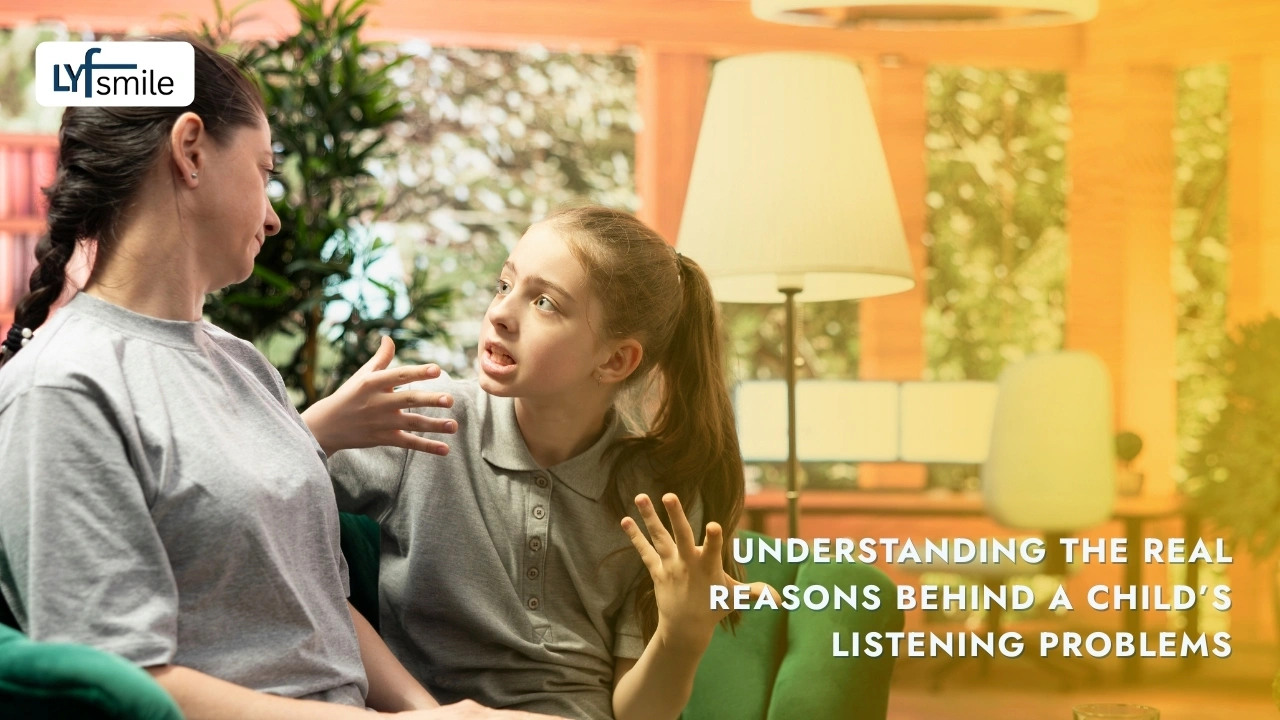 When children don’t listen, it doesn't mean that they want to be rude or stubborn. Most of the time, they are dealing with feelings or situations they don’t know how to explain. If the home routine feels rushed, if there is too much pressure, or if communication is tense, children may shut down or stop responding. Some kids also struggle with attention, big emotions, or feeling misunderstood. “Not listening” is often their way of showing that something is hard for them.
Key Reasons Why Children Stop Listening
They feel overwhelmed or confused
The routine at home feels rushed or stressful
They think parents don’t understand them
They can’t express their feelings well
They want more attention or connection
They struggle with focus or self-control
There are too many sibling fights or tensions
The task feels too hard or boring
Parents are busy, so the child feels emotionally distant
They feel worried or afraid of making mistakes
Many of these challenges improve with guidance from a qualified Child Behavioral Therapist, who helps children understand emotions, improve communication, and develop healthier behavioural responses.
Is This Normal at Different Ages?
Listening challenges can look different depending on a child’s age and emotional development.
Toddlers and Preschoolers
Young children often struggle with impulse control, patience, and understanding instructions consistently. Tantrums and ignoring instructions can be common during this stage.
School-Age Children
Children between 6 and 10 years may argue more, avoid homework, or become frustrated when they feel pressured academically or emotionally.
Teenagers
Teenagers may appear distant, irritated, or uninterested in family conversations as they seek independence and emotional privacy.
While occasional listening problems are normal, constant conflict, emotional withdrawal, aggression, or severe communication breakdowns may require additional support.
How Do I Know My Child Is Struggling to Listen or Understand?
Children show their difficulties in many moments, not just when they say “no” or walk away. These small signs help parents understand what the child is going through and why listening has become harder for them.
Common signs to watch for:
Morning chaos: Instructions have to be repeated many times.
Homework fights: The child argues, avoids, or gets upset easily.
Avoiding family time: They prefer staying alone or only with one parent.
Emotional distance: The child seems withdrawn, quiet, or disconnected.
Frequent “no” or ignoring behaviour: They pretend not to hear or simply walk away.
Sibling conflicts: Small things turn into big fights.
Clinginess to one parent: They depend too much on one parent for comfort.
Difficulty talking about feelings: They shut down instead of explaining what’s wrong.
Overreaction or anger: Small instructions trigger big emotions.
Parents feel exhausted: Communication feels harder each day.
These signs do not mean something is “wrong” with your child; they mean your child needs support, understanding, and emotional safety to communicate better.
What to Say When Your Child Doesn’t Listen
The way parents give instructions can influence how children respond, especially when a child is already upset or distracted. Instead of repeating the same instruction loudly, move closer, get the child's attention and state what needs to happen in simple words.
For example, instead of saying, “Why do you never listen to me?”, try: “I know you want to keep playing. It’s time to put the toys away. Would you like to start with the blocks or the cars?”
Give one instruction at a time and allow your child a moment to respond. Acknowledge their feelings while keeping the boundary clear. Notice and appreciate cooperation, even when it happens in small steps. If listening difficulties continue across different settings, consider whether stress, attention or other concerns may need further exploration.
How Parents Can Encourage Better Response from Children
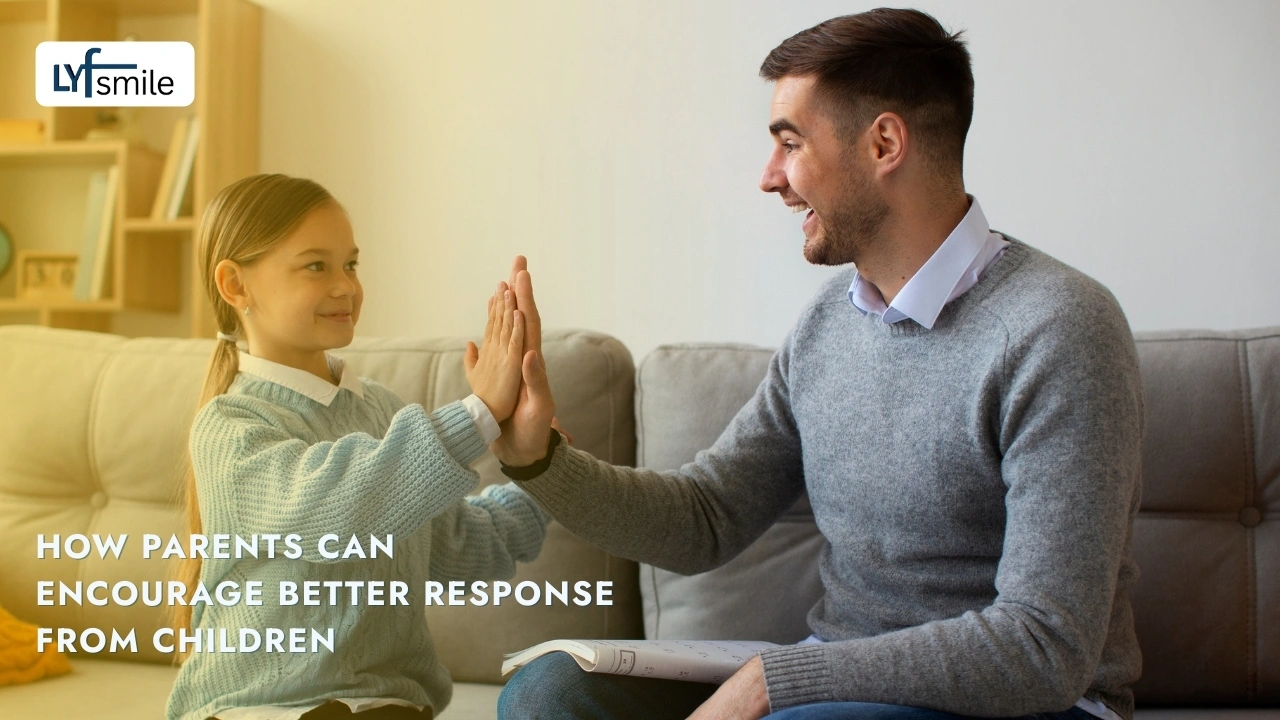 Small communication changes at home can make children more cooperative and emotionally connected over time.
Helpful Strategies for Parents
Speak gently and calmly to avoid emotional overload.
Make eye contact to help your child stay connected.
Keep instructions short and easy to understand.
Introduce tasks one at a time to reduce stress.
Build simple daily routines for structure.
Give choices to promote a sense of control.
Validate feelings so your child feels heard.
Celebrate small wins to build motivation.
Spend personal time together each day.
Avoid raising your voice as it increases anxiety.
Seek therapy support if challenges continue or intensify.
If these strategies do not improve communication, Child Behavior Therapy can help children develop better emotional regulation, listening skills, and positive behaviour patterns.
When Parents Should Consult a Child Therapist in Gurgaon
Occasional disobedience is normal in children. However, professional support may help when a child doesn’t listen to parents regularly and it begins affecting home life, school performance, emotional wellbeing, or family relationships.
You May Need Professional Support If
Daily tasks regularly become emotional battles
Your child argues or shuts down almost every day
Communication at home feels constantly stressful
The child becomes emotionally withdrawn or unusually quiet
Aggression, frustration, or anger keeps increasing
Sibling conflicts become difficult to manage
Your child struggles with attention or emotional control
The behaviour continues for several months without improvement
Parents feel exhausted, confused, or helpless
Child Therapists in Gurgaon, Child Counsellors, Behaviour Therapists, Child Psychologists, and Child Development Specialists can help identify emotional, behavioural, developmental, or communication-related challenges affecting your child.
Early support often helps families rebuild calmer routines and healthier communication patterns.
Therapy Options in Gurgaon: Both Online and Offline Sessions Available
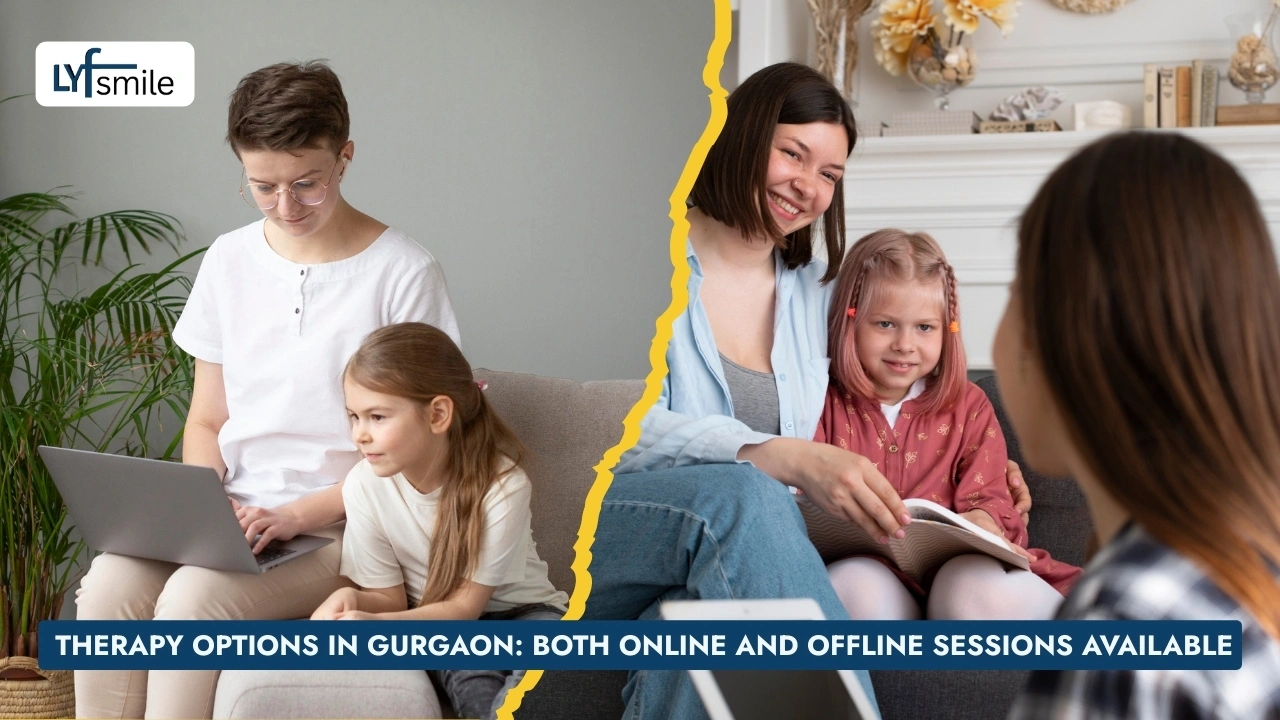 Every family has different needs, schedules, and comfort levels, which is why therapy support in Gurgaon is available in both online and offline (in-clinic) formats. Parents can choose the option that works best for their child, or even combine both if needed.
Online Sessions
Online therapy is a good choice for children who feel safer and more relaxed at home. These sessions take place over secure video calls and include simple activities that help children express feelings, learn communication skills, and understand their behaviour better.
Benefits:
Comfortable home environment
Flexible scheduling
Helpful for shy or anxious children
Easier for busy parents to manage
Offline (In-Clinic) Sessions
In-clinic sessions allow children to interact directly with the therapist. This helps the therapist observe the child’s behaviour, emotions, and communication more clearly. Children also get hands-on activities, real conversations, and guided practice to improve listening and cooperation.
Benefits:
Face-to-face guidance
Better observation of emotional and behavioural patterns
Structured and distraction-free setting
Helpful for children who need in-person support
Both formats aim to support children in becoming calmer, more expressive, and more willing to listen at home.
Child Counselling Fees and Affordable Support Options in Gurgaon
The cost of child counselling depends on the type of support, session duration and whether an assessment is recommended. Parents can ask about therapy fees, assessment charges and the suitability of online sessions before booking.
Lyfsmile also offers a free 15-minute consultation. Counselling starting at ₹30 per minute may be mentioned here if that rate currently applies to this child counselling service. These are separate offerings, so confirm the applicable fees and what each service includes before booking.
Behaviour & Communication Assessment for Children
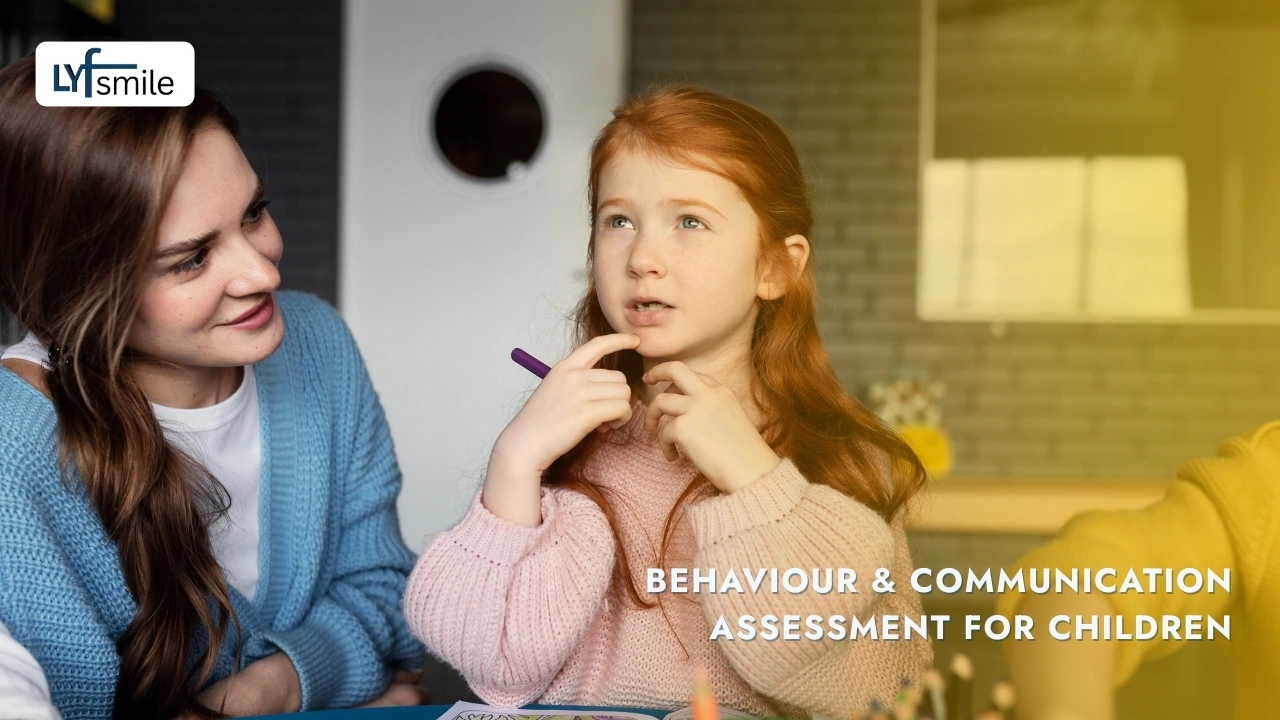 If you feel unsure about why your child is not listening or why everyday situations turn into arguments, our Behaviour & Communication Assessment can help you understand things more clearly. This assessment gently looks at how your child talks, responds to instructions, handles emotions, and behaves in different situations. It also checks attention, basic behaviour patterns, and anything that might be causing stress at home or school.
The goal is not to judge your child. It simply helps parents understand what their child is struggling with and what steps can make family life calmer and easier.
What the Assessment Includes:
How your child communicates
How they react to instructions
Emotional responses
Behaviour during tasks or daily routines
Attention and focus
Possible reasons behind listening problems
Simple, personalised suggestions for parents
The assessment is available for ₹500, just so parents can plan comfortably.
Parents who are unsure about the next step can also consult a Child Psychologist Online for an initial behavioural assessment and personalised recommendations.
Conclusion
Children don’t stop listening because they want to be difficult. Most of the time, they are trying to express feelings they don’t fully understand. When parents take the time to notice these signs and offer calm, consistent support, children slowly learn to communicate better and respond more easily.
If your child doesn’t listen to parents regularly, early emotional support and guidance can make a major difference. With patience, calm communication, emotional support, and professional help when needed, children can gradually improve their listening, cooperation, and emotional expression.
Child therapy support in Gurgaon helps both children and parents understand each other better, reduce daily conflicts, and rebuild a healthier emotional connection at home.
Small changes in communication today can create a calmer and more connected family environment over time.
Frequently Asked Questions (FAQs)
Why does my child listen to others but not to me?
Children often feel safest with their parents, so they express their strongest emotions at home. This doesn’t mean they don’t respect you; it usually means they’re overwhelmed or struggling to communicate what they feel to the person they trust most.
Can therapy really help children listen better?
Yes. Therapy helps children learn how to manage emotions, stay calm, and follow instructions more easily. It also guides parents on effective ways to communicate and set boundaries, making daily interactions smoother.
Does not listening mean my child has ADHD or Autism?
Not necessarily. Many children have listening difficulties because of stress, changes in routine, or emotional overload. ADHD or Autism is only one possibility, and a professional assessment is the best way to understand what’s really going on.
What if my child argues about everything?
Frequent arguments often show that a child feels frustrated, misunderstood, or wants more control. Teaching calm communication and problem-solving skills, at home or with a therapist, can help reduce these daily conflicts.
My child avoids family time. Is this a problem?
It can be a sign that they’re feeling disconnected, stressed, or unsure how to express their needs. Gently talking with them or seeking guidance can help you understand what’s behind this behaviour, especially if it continues over time.