

Lakshika Kaushik
Fear of Marriage Anxiety (Gamophobia): When the Thought of Marriage Feels Too Heavy
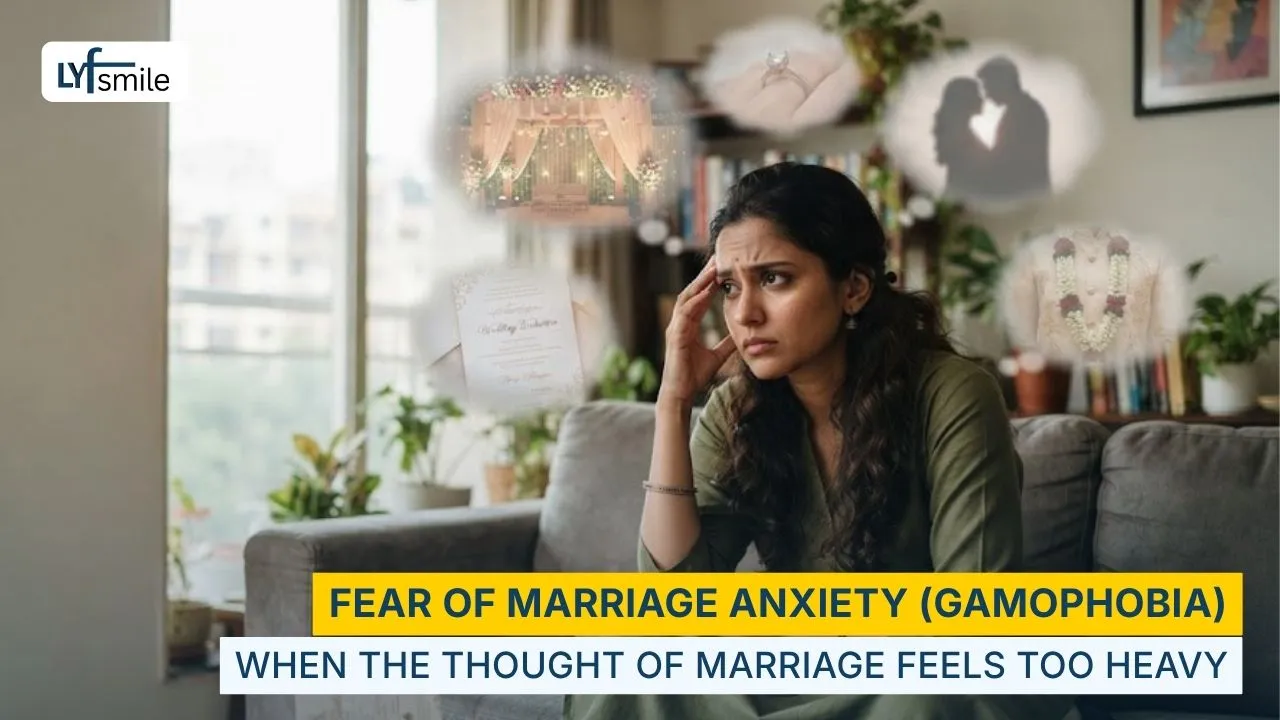
You're in a relationship you genuinely value. The person beside you is caring, consistent, and right for you in ways that are hard to argue with. And yet, whenever the conversation moves toward marriage — a proposal, a timeline, a friend's wedding — something tightens. Not the nervous excitement most people describe. Something closer to dread.
If this sounds familiar, you may be experiencing fear of marriage anxiety, clinically referred to as Gamophobia.
Gamophobia is an intense, persistent fear of marriage or long-term commitment that goes beyond ordinary pre-wedding nerves — often causing anxiety, avoidance behavior, or significant distress that affects both the individual and their relationship.
It's more common than most people realize. And it's more treatable than most people expect.
The Difference Between Normal Nerves and Real Marriage Anxiety
Almost everyone feels some degree of nervousness before a major life commitment. That's expected, and in most cases, healthy. The question is whether what you're feeling is proportionate to the situation — or whether it's something that consistently disrupts your ability to move forward.
Normal pre-commitment nerves typically look like: excitement mixed with uncertainty, occasional second-guessing, or worries about practical matters like finances or family dynamics. They tend to ease with time, reassurance, and open conversation.
Fear of marriage anxiety (gamophobia) tends to look different:
A persistent, disproportionate sense of dread whenever marriage becomes a topic of discussion
Avoidance — steering conversations away from commitment, postponing decisions indefinitely without clear reasons
Physical symptoms of anxiety (racing heart, nausea, difficulty breathing) triggered specifically by thoughts of marriage or long-term commitment
A deep, underlying belief that marriage will trap, suffocate, or fundamentally threaten your sense of self
Sabotaging otherwise healthy relationships when they approach a certain level of seriousness
The distinction matters because the approach that helps differs significantly. Reassurance alone rarely resolves gamophobia. What typically helps is understanding where the fear actually comes from.
Why Some People Fear Marriage More Than Others
Gamophobia rarely appears from nowhere. There's almost always a root — sometimes conscious, often not.
Witnessing a troubled or failed marriage growing up is one of the most common underlying causes. When the marriage modeled in childhood was marked by conflict, emotional distance, or eventual breakdown, the unconscious association between marriage and pain runs deep. For many people, this manifests as a sincere desire for a relationship alongside an equally sincere terror of formalizing it.
Past relationship trauma — a painful breakup, a betrayal, or a relationship that ended in a way that felt destabilizing — can create a protective response that looks like commitment avoidance. The fear isn't always of marriage itself; sometimes it's of being deeply vulnerable again.
Cultural and family pressure can also work in the opposite direction, creating anxiety through the weight of expectation. When marriage is treated as an obligation rather than a choice — which is particularly common in certain Indian family contexts — the loss of personal agency can trigger significant anxiety around the concept itself.
Attachment patterns developed in early relationships with caregivers can shape how comfortable a person feels with closeness and permanence. Anxious or avoidant attachment styles often express themselves as fear of commitment in adult relationships.
Understanding which of these applies to you isn't something most people can work out alone. It requires the kind of careful, non-judgmental exploration that a skilled therapist facilitates.
Gamophobia Doesn't Have to Control Your Future — Here's How Counseling Helps
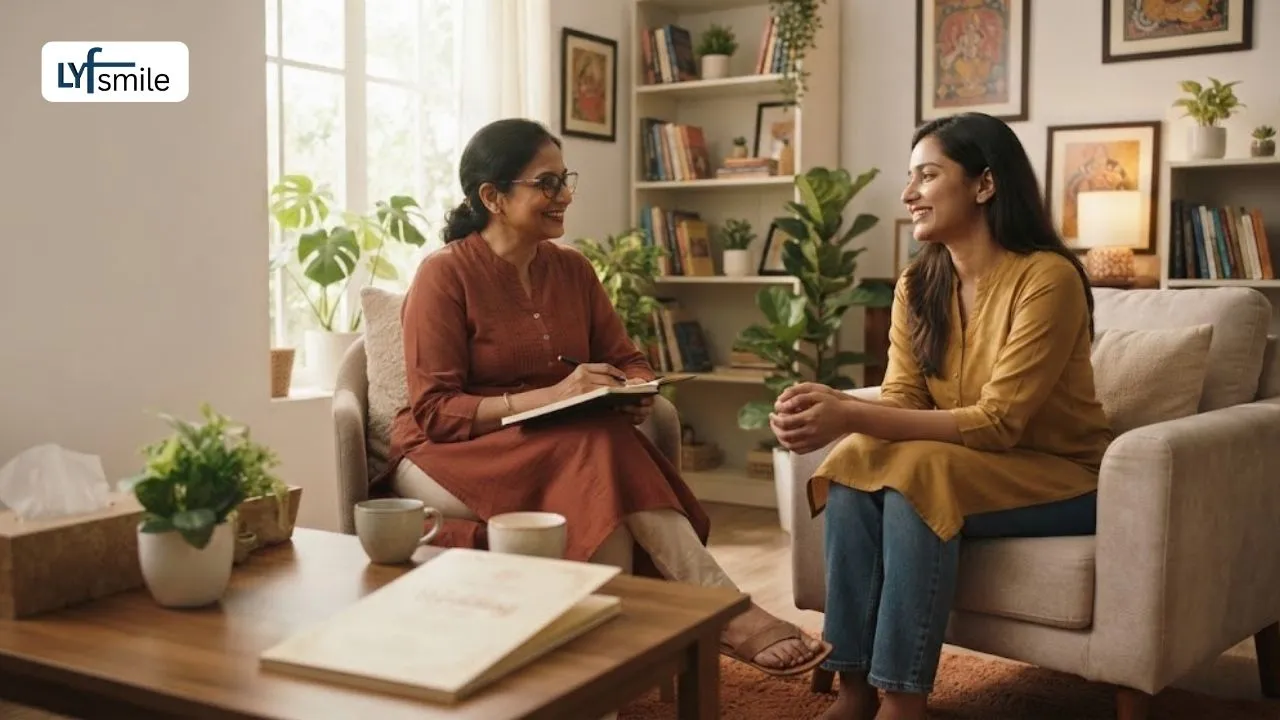 The goal of working through Gamophobia in therapy isn't to convince someone to get married. It's to help them understand their fear well enough to make an honest, unobstructed choice.
In practice, the therapeutic work begins by identifying the specific root driving the anxiety — whether that's post-wedding depression concerns, past relational wounds, family conditioning, or deeper patterns around intimacy and trust. From there, the focus shifts to processing those roots directly, rather than just managing symptoms on the surface.
Cognitive Behavioural Therapy approaches challenge the distorted beliefs that keep gamophobia in place ("marriage means losing myself", "commitment always ends badly") and replace them with more accurate, examined ones. Over time, this reduces the intensity of the fear — not by suppressing it, but by genuinely resolving the thinking behind it.
Many people who work through gamophobia in counseling describe the experience as finally being able to see their relationship clearly — without the distorting lens of anxiety — for the first time.
Ready to Work Through the Fear with Professional Counselling
Gamophobia is not a personal failing. It's a response — usually a very understandable one — to experiences that shaped how you relate to commitment.
At LyfSmile, therapists work specifically with individuals and couples navigating fear of marriage anxiety, offering sessions that move at a pace that feels psychologically safe rather than pressured.
The first 15 minutes are free of charge — an initial conversation to understand what you're experiencing and determine whether this kind of support is the right direction. Ongoing sessions are available at ₹30 per minute, making consistent therapeutic work genuinely accessible.
Sessions can be joined online from anywhere across India — Delhi, Mumbai, Bangalore, Hyderabad, Chennai, Kolkata, Pune, Jaipur — or internationally for NRI individuals and couples wherever they are based. For those who find face-to-face sessions more grounding, LyfSmile's physical centers welcome you in Delhi, Gurgaon, Panipat, and Noida.
Fear doesn't have to make the decision for you.
Reach out to LyfSmile — and begin working through the fear at your own pace.
FAQs
1. Can fear of marriage anxiety (Gamophobia) affect healthy relationships?
Yes. Gamophobia can make it difficult to move forward even in loving, stable relationships. Some people may avoid conversations about marriage, delay commitment, or end relationships because the fear becomes overwhelming rather than because of problems with their partner.
2. Is Gamophobia a mental health disorder?
Gamophobia is considered a specific phobia involving an intense fear of marriage or long-term commitment. While not everyone with commitment concerns has Gamophobia, persistent fear that causes distress or interferes with relationships may benefit from professional psychological support.
3. Can Gamophobia develop after a painful relationship or divorce?
Yes. Emotional trauma from a previous relationship, divorce, betrayal, or witnessing unhealthy marriages can contribute to the development of Gamophobia. These experiences may create a lasting fear of repeating the same pain.
4. How long does counseling for fear of marriage anxiety take?
The duration varies from person to person. Some individuals notice improvement within a few sessions, while others may need longer-term counseling to address deeper emotional patterns, relationship trauma, or anxiety. Progress depends on the underlying causes and personal goals.
5. Can online counseling help with fear of marriage anxiety?
Yes. Online counseling provides a confidential and convenient way to work with a qualified therapist. It can help you understand the root of your fears, develop healthier coping strategies, and build confidence in making relationship decisions at your own pace.