

Lakshika Kaushik
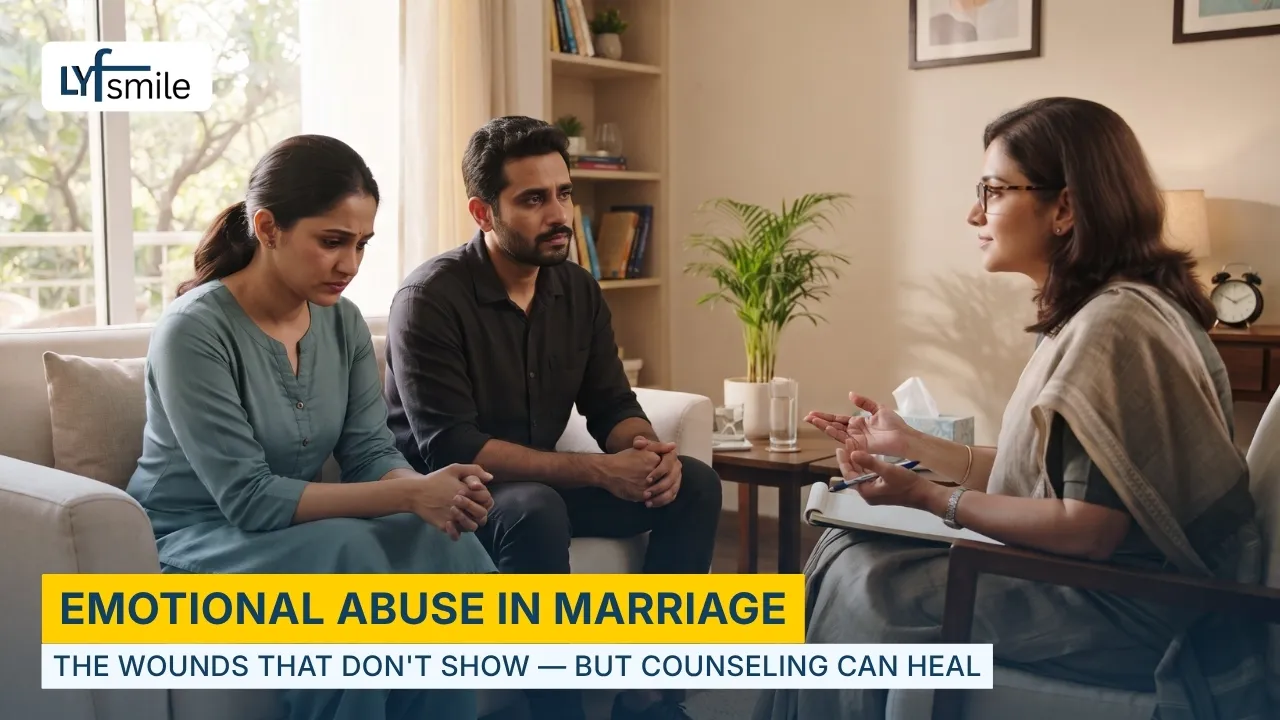
Emotional Abuse in Marriage: The Wounds That Don't Show, But Counseling Can Heal
"Maybe I'm overreacting." "Maybe this is just what marriage is like." "Maybe if I responded differently, things would be better."
If these thoughts feel familiar, it's worth pausing. Because one of the most consistent effects of emotional abuse in a marriage is that it makes you question your own experience often to the point where you stop trusting your own perception of what's happening.
Emotional abuse in marriage refers to a pattern of behavior where one partner uses words, actions, silence, or manipulation to control, demean, or undermine the other. Unlike physical abuse, it leaves no visible evidence, which is precisely what makes it so difficult to name, and so easy to dismiss.
Counseling doesn't just address the damage. It helps you see it clearly for the first time.
Emotional Abuse Doesn't Always Look Like What You'd Expect
Most people picture emotional abuse as constant yelling or deliberate cruelty. In reality, it's often far quieter and far more confusing.
It shows up in relationships as:
Constant criticism disguised as honesty. Comments framed as "I'm just being real with you" that consistently chip away at your confidence, your judgment, or your sense of worth.
Gaslighting. Being told that what you experienced didn't happen the way you remember – or didn't happen at all. Over time, this makes it genuinely difficult to trust your own memory.
Silent treatment as punishment. Withdrawal of warmth, communication, or affection used deliberately to make you feel responsible for the other person's emotions, until you apologize for something you're not sure you even did.
Control through guilt. Constant reminders of sacrifices made, decisions taken, or money spent – used to create a sense of debt that keeps you from expressing your own needs.
Isolation. Gradual discouragement from seeing friends or family, framed as preference or protection, until the people who might offer perspective aren't around anymore.
Unpredictability. Never quite knowing which version of your partner you'll encounter – which keeps you in a state of constant alertness, walking carefully around moods you didn't cause.
Many people living with emotional abuse don't identify it as abuse at all – partly because it often coexists with moments of genuine affection, and partly because the very nature of the experience trains you to doubt yourself. This is also why narcissist husband wife counseling and domestic violence recovery counseling often begin with something simpler: helping a person understand what they've actually been experiencing.
How Counseling Helps You Understand What You've Been Living With
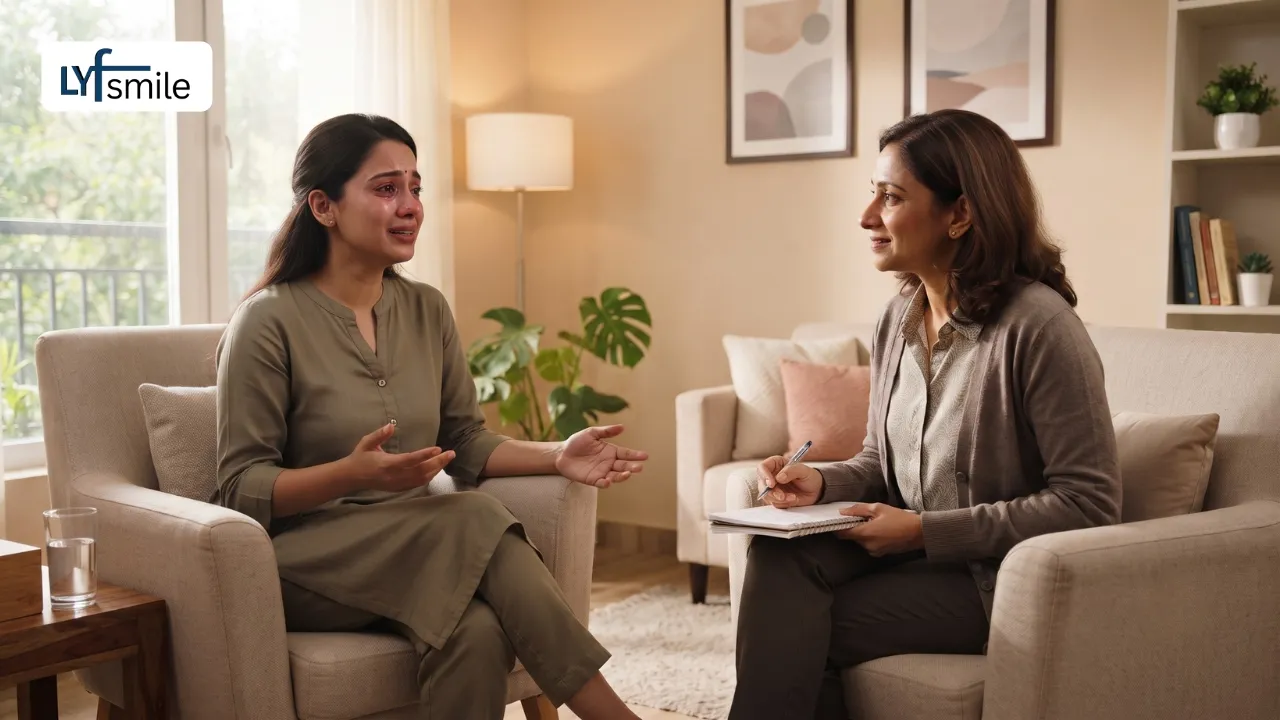 Having a trained professional reflect what you're describing without minimising it, without asking what you did to provoke it, and without telling you to try harder is often the first time a person clearly understands what has been happening in their home. That clarity alone can be profoundly disorienting and deeply relieving at the same time.
From there, marriage counseling for emotional abuse works in layers. For those who want to address the relationship directly, counseling helps both partners understand the patterns at play including the underlying issues often driving controlling or manipulative behavior, such as personality disorder counseling for spouses or deeper psychological patterns that have never been professionally addressed.
For those who need to focus on their own recovery first, sessions concentrate on rebuilding self-trust, setting and maintaining boundaries, and processing the confusion and self-doubt that emotional abuse consistently produces.
In either case, the process is paced to what feels safe because safety, in this particular context, isn't a minor detail. It's the foundation everything else is built on.
Healing From Emotional Abuse Starts With One Safe Conversation
Reaching out when you're uncertain about what you've experienced or unsure whether it's "serious enough" to need professional support is one of the hardest decisions to make. It's also one of the most important.
Lyfsmile connects you with counselors who have direct, specialised experience in emotional abuse recovery, providing support that is structured, confidential, and entirely free of judgment.
The opening 15 minutes carry no cost: a private, safe conversation where you don't need to have everything figured out before you begin. From there, sessions are available at ₹30 per minute, keeping consistent support accessible regardless of your financial situation.
Sessions run online privately and securely across every major Indian city and internationally for NRI individuals and couples navigating this from abroad. For those who prefer an in-person space, Lyfsmile's counseling centers are available in Delhi, Gurgaon, Panipat, and Noida.
You don't have to be certain about what's happening to reach out. Uncertainty is often where this conversation starts.
Contact Lyfsmile today : and take the first step toward understanding what you've been carrying.
FAQs
Q: Can emotional abuse happen even in marriages where both partners love each other?
A: Yes. Emotional abuse often coexists with genuine love, which is part of what makes it so confusing to identify. A partner can love someone deeply and still engage in controlling, manipulative, or demeaning behaviour, often without fully recognizing it themselves.
Q: How do I know if what I'm experiencing is emotional abuse or just a difficult relationship?
A: The key difference is pattern and intent. Occasional hurtful words during conflict are normal; consistent patterns of belittling, controlling, or manipulating behaviour that leave you feeling diminished, anxious, or unable to trust your own judgment are signs of emotional abuse. A counselor can help you distinguish between the two.
Q: What if my partner doesn't believe they are being emotionally abusive?
A: This is extremely common. Many people engaging in emotionally abusive behavior genuinely don't recognise it as such. Counseling can help create a structured space where patterns are identified and named by a neutral professional, which can be more effective than a confrontation between partners.
Q: Can a couple recover from emotional abuse if the abusive partner genuinely wants to change?
A: Yes, recovery is possible, but it requires sustained commitment from both partners, appropriate professional support, and meaningful behavioral change over time, not just promises. Lyfsmile's counselors can assess whether couples therapy is appropriate or whether individual therapy is the safer starting point.
Q: Is it safe to attend couples counseling if I am experiencing emotional abuse?
A: This depends on the nature and severity of the situation. In some cases, individual counseling first is a safer and more effective starting point. Lyfsmile's counselors assess each situation carefully and will guide you toward the right format for your specific circumstances.