

Sarvesh Kumari
How to Relieve Chest Tightness From Anxiety and Calm Your Body
Chest tightness can feel scary, especially when it happens during anxiety. Many people experience this symptom alongside stress, panic, or overthinking, and it can sometimes feel serious. While anxiety can cause real physical sensations, it’s still important to rule out any medical concerns. If you’re wondering how to relieve chest tightness from anxiety, understanding the cause is the first step. Once you recognise it as a stress response, you can start using simple ways to calm your body and reduce the discomfort.
Chest tightness from anxiety is a common symptom caused by stress and panic. It can feel like pressure in the chest, but it is usually not dangerous. To relieve chest tightness from anxiety, focus on slow breathing, relaxing your body, and calming your mind. If symptoms feel unusual or severe, it’s important to consult a doctor.
What You Can Do Right Away When Your Chest Feels Tight
That sudden tight feeling in your chest can make you pause and worry about what’s happening in your body. It may feel like pressure, heaviness, sharp pain, or even a burning sensation. For many people, this is linked to anxiety and built-up stress. If you often notice chest tightness from anxiety together, it may be your body reacting to that tension.
What you can do right away:
Sit or lie down and let your body slow down
Focus on slow, deep breathing to relax your chest
Try gentle chest or shoulder stretches to release tension
Drink some water and give your body time to settle
Use a warm compress to ease tight muscles
If the pain feels intense, lasts longer, or comes with dizziness or difficulty breathing, don’t ignore it. In such cases, it’s important to seek medical help to rule out any serious condition.
Start with Slow Breathing to Relax Your Chest
When your chest feels tight, your breathing often becomes fast and shallow, which can make the discomfort worse. This is common during anxiety, especially when it feels like you’re “unable to breathe properly." Slowing down your breath helps your body relax and reduces the tight feeling in your chest.
Try these simple techniques:
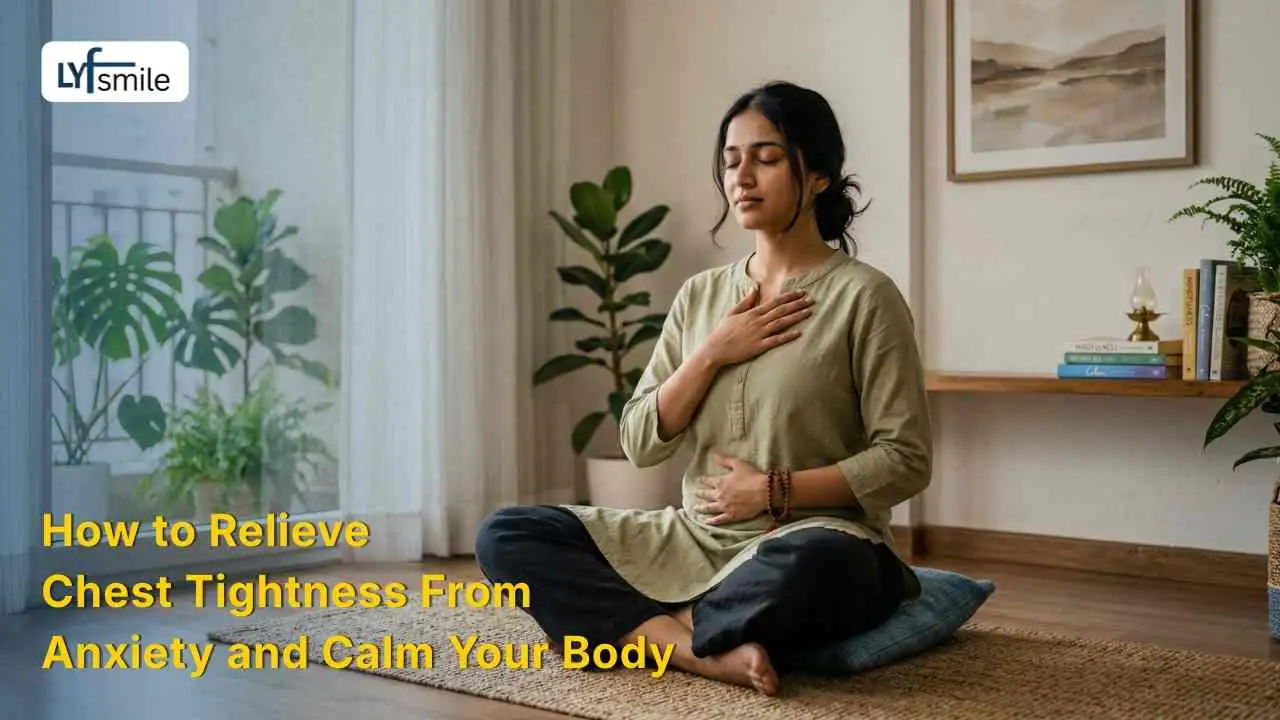
Belly breathing: Place one hand on your chest and one on your stomach. Breathe in slowly through your nose and let your belly rise, then exhale gently.
4-7-8 method: Inhale for 4 seconds, hold for 7, and exhale slowly for 8 seconds.
Pursed-lip breathing: Breathe in through your nose and slowly exhale through your mouth, like you’re blowing out a candle.
Slow, steady breathing is one of the easiest ways to get breathing anxiety help in the moment.
You can sit, stand, or lie down; just make sure your body feels relaxed. Exercising for a few minutes can help your chest feel lighter and your mind more at ease.
Gently Reduce the Tightness in Your Chest and Body
That tight, heavy feeling in your chest can make your whole body feel tense. Many people notice chest tightness from anxiety, especially when the body is holding too much pressure. The beneficial part is that simple physical steps can help you ease this discomfort.
What can help you feel better:
Use a warm compress on your chest to relax tight muscles
Do gentle stretches to open up your chest and improve movement
Keep yourself hydrated, as dehydration can increase discomfort
Sit in a relaxed position and allow your body to slowly loosen up
Chest tightness from anxiety can feel alarming, but it usually eases as stress levels decrease. However, if the pain feels like strong pressure, spreads to the arms, neck, or jaw, or comes with dizziness, sweating, or difficulty breathing, it’s important to seek medical help. While simple relaxation techniques may help relieve anxiety-related chest
Calm Your Mind When the Anxiety Starts to Feel Too Much
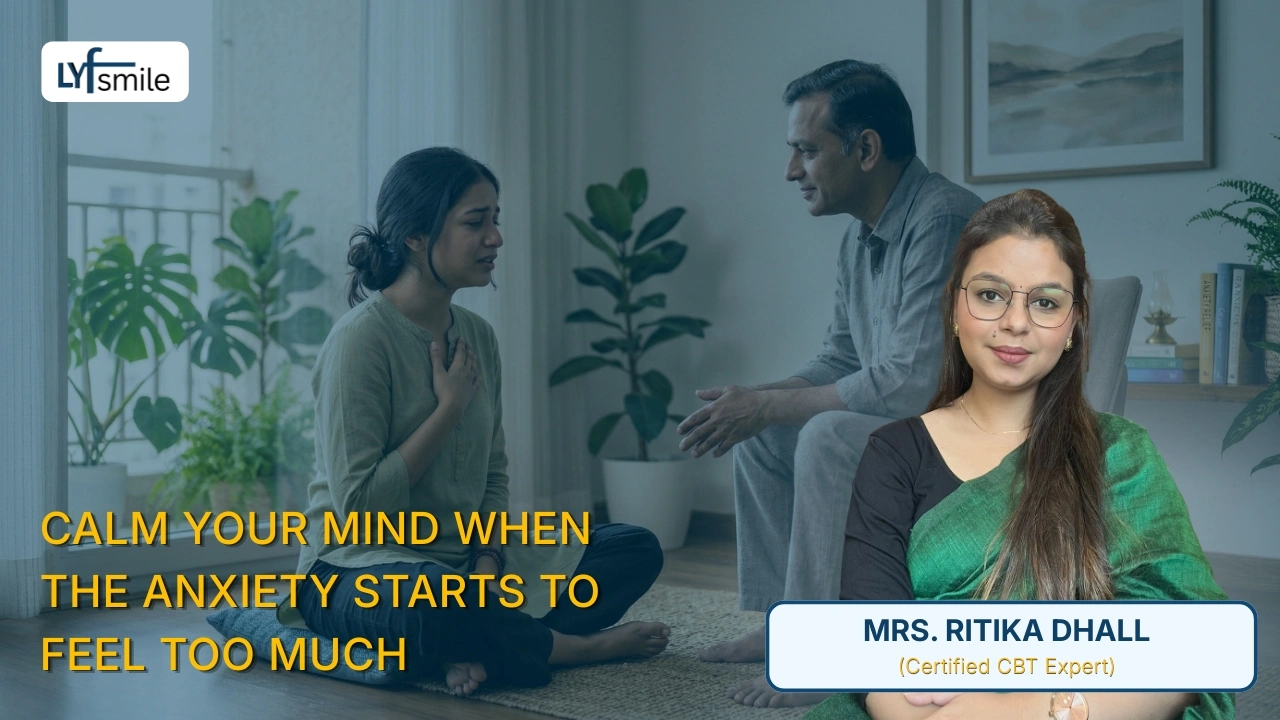 In moments of sudden anxiety peaks, everything inside your body can feel out of control, your thoughts speed up, your chest feels tight, and even simple tasks become difficult to focus on. Instead of trying to fight it, the first step is to slow yourself down gently and bring your attention back to the present.
Many people also experience chest tightness from anxiety during overwhelming moments. The sensation can feel uncomfortable or even frightening, but it is often caused by the body's stress response and muscle tension rather than a serious medical problem. Taking slow, deep breaths, relaxing your shoulders, and grounding yourself in the present can gradually help ease anxiety-related chest discomfort and restore a sense of calm.
Simple ways to calm your mind:
Try deep belly breathing by slowly inhaling and letting your stomach rise, then exhaling gently
Do light stretches like rolling your neck or relaxing your shoulders
Ask yourself grounding questions like “What am I feeling right now?”
Shift your attention by speaking to someone or focusing on a small task
These steps can support treatment for panic attack symptoms and help you regain a sense of control in the moment.
If these episodes keep repeating or feel challenging to manage alone, reaching out to a therapist for panic symptoms can be very helpful. At Lyfsmile, Mrs Ritika Dhall (Certified CBT Expert) supports people dealing with anxiety, panic, and stress-related symptoms.
How she helps:
Uses Cognitive Behavioural Therapy (CBT) to help understand the thought patterns behind anxiety
Teaches practical tools to manage symptoms like chest tightness and racing thoughts
Helps identify personal triggers and responses
Provides a safe, supportive space to talk without judgment
Focuses on building long-term coping skills for daily life
Her approach is centred on helping you not just feel better temporarily but also develop stronger control over your thoughts and emotions over time.
Experiencing chest tightness from anxiety can feel frightening, especially when it happens alongside racing thoughts, panic, or overwhelming stress. While these symptoms are often linked to the body's natural stress response, they should never be ignored if they are severe, new, or accompanied by concerning symptoms.
Learning healthy coping strategies, practising relaxation techniques, and understanding your anxiety triggers can help you regain a sense of control. For many people, professional support makes a significant difference in reducing anxiety symptoms and improving overall emotional well-being.
If chest tightness from anxiety, panic symptoms, or persistent worry is interfering with your daily life, seeking support from a qualified mental health professional can help you understand the underlying causes and develop effective long-term coping skills. With the right guidance and treatment, it is possible to manage anxiety and feel more in control again.
If anxiety symptoms like chest tightness, panic, or overwhelming thoughts are affecting your daily life, you can explore anxiety therapy in Gurgaon at Lyfsmile and connect with experts for proper guidance and support.
FAQs
1. Can a panic attack cause chest tightness or feel like a heart attack?
Yes, panic attacks can cause chest tightness, pressure, and a fast heartbeat, which often feels similar to a heart attack. However, it is usually not dangerous, but it’s important to rule out medical conditions.
2. How can I calm myself during a panic attack?
You can calm yourself by focusing on slow breathing, grounding techniques, and reminding yourself that the feeling will pass. These simple steps can help reduce panic symptoms.
3. What is the fastest way to relieve anxiety-related chest tightness?
Slow breathing, relaxing your body, and sitting or lying down in a comfortable position can quickly help reduce chest tightness caused by anxiety.
4. Can anxiety make it challenging to breathe or cause hyperventilation?
Yes, anxiety can make your breathing feel fast or shallow, sometimes leading to hyperventilation or a feeling of not getting enough air.
5. Do therapists help with panic attacks and anxiety symptoms?
Yes, therapists can help you understand panic attacks, identify triggers, and teach techniques to manage anxiety and physical symptoms like chest tightness.
6. What is the best therapy for treating anxiety and panic disorder?
Cognitive Behavioral Therapy (CBT) is commonly used to treat anxiety and panic disorders. It helps you change negative thought patterns and manage symptoms effectively.