

Yakshi
Online Therapy for NRIs: Why More Indians Abroad Are Choosing Mental Health Support?
Moving to another country often looks exciting from the outside. New opportunities, better salaries, higher education, and a better quality of life are common reasons why millions of Indians settle abroad. But behind the achievements, many Non-Resident Indians (NRIs) quietly struggle with emotional challenges that few people talk about.
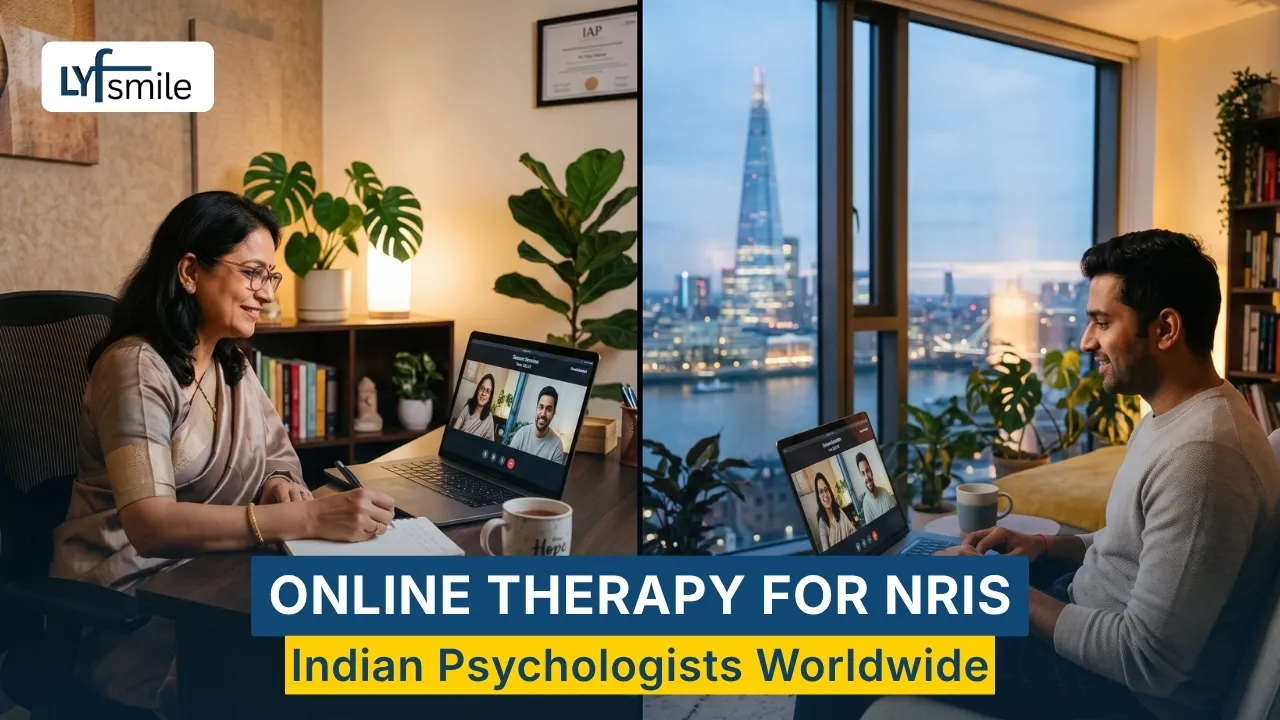
This is why online therapy for NRIs has become an important source of emotional support. Today, you can connect with an experienced Indian psychologist through secure video sessions, receive culturally relevant guidance, and access professional care without travelling or disrupting your schedule.
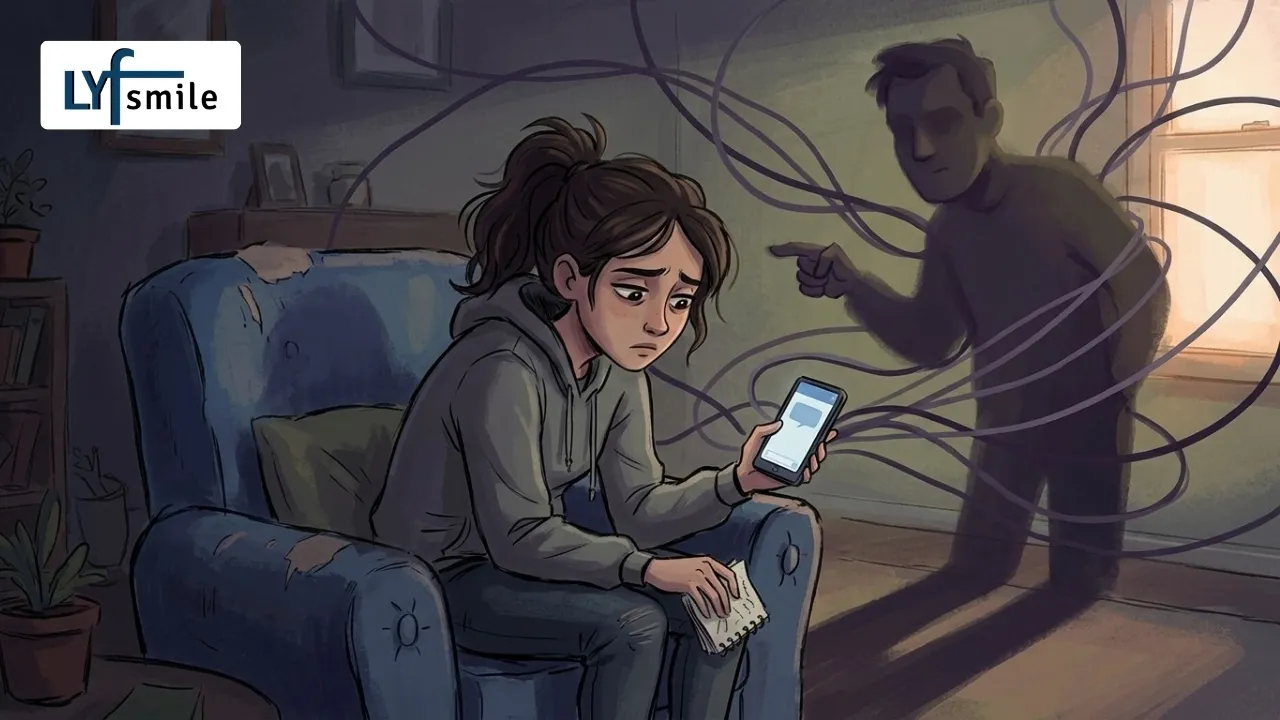
A demanding work culture, loneliness, cultural differences, changing family roles, raising children in a foreign country, and living thousands of kilometres away from loved ones can slowly affect emotional well-being. While friends and family may see only the success, the reality can be very different.
Whether you're dealing with stress, anxiety, relationship conflicts, homesickness, or simply feeling emotionally exhausted, the right therapist can help you understand your experiences and build healthier ways of coping.
Why Do NRIs Need Mental Health Support?
Relocating isn't just a geographical change, it changes your lifestyle, identity, relationships, and daily routines. Many Indians abroad experience emotional challenges that are unique to their circumstances, such as:
Living away from family support systems
Adjusting to different cultures and social expectations
Balancing Indian values with Western lifestyles
Managing workplace pressure in competitive environments
Parenting children in multicultural societies
Feeling guilty about not being physically present for ageing parents
Struggling to build meaningful social connections
These experiences may not always lead to a mental health disorder, but they can gradually increase stress levels and emotional fatigue. This is where mental health support for NRIs becomes valuable not only during crises but also for maintaining long-term emotional well-being.
Why Do Many NRIs Prefer an Indian Therapist Instead of a Local Therapist?
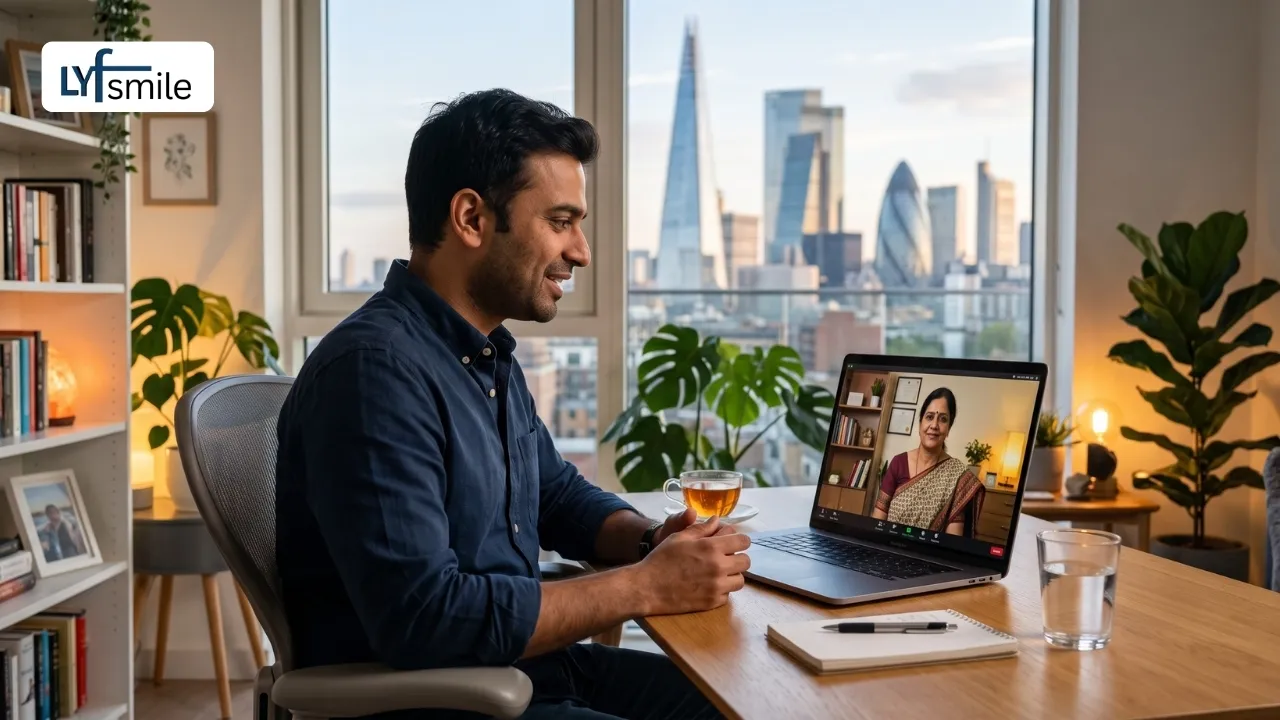 An Indian therapist for NRIs already understands many cultural experiences that influence emotions, including:
Family expectations
Joint family dynamics
Marriage traditions
Religious and cultural values
Career-related pressure
Social responsibilities
Emotional attachment to parents
Instead of explaining why saying "no" to family feels difficult or why arranged marriage conversations create stress, you can focus on solving the problem itself. This cultural familiarity often helps therapy feel more natural and comfortable.
What Are the Most Common Mental Health Challenges Faced by NRIs?
Every person's story is different, but some concerns appear frequently among Indians living overseas.
Anxiety About Career, Immigration, and Visa Uncertainty
Visa uncertainty, career transitions, layoffs, changing immigration policies, and financial responsibilities can create constant worry. Professional anxiety therapy for NRIs helps individuals identify anxious thought patterns, manage uncertainty, and regain emotional stability.
Feeling Lonely Despite Being Surrounded by People
Many professionals move abroad independently. Even with busy workplaces, people often struggle to build close friendships, resulting in emotional isolation. Loneliness counselling for NRIs focuses on creating healthier social habits, improving emotional resilience, and reducing feelings of isolation.
Homesickness That Doesn't Go Away
Missing festivals, family gatherings, home-cooked meals, and familiar surroundings can become emotionally overwhelming. While occasional homesickness is normal, persistent sadness may require homesickness therapy for NRIs, especially when it begins affecting work, sleep, or relationships.
Depression and Emotional Burnout
Depression doesn't always appear as sadness. It may look like:
Constant exhaustion
Lack of motivation
Emotional numbness
Loss of interest in hobbies
Difficulty concentrating
Irritability
Seeking depression counselling early can prevent symptoms from becoming more severe.
Work Stress and Professional Pressure
Working abroad often means adapting to new workplace cultures while trying to prove yourself professionally. Long working hours, unrealistic expectations, and job insecurity can lead to chronic stress. Stress counselling for NRIs and work stress therapy for NRIs help individuals improve emotional regulation, work-life balance, and coping strategies.
Relationship Challenges Across Borders
Distance affects relationships in many ways. Some people experience:
Long-distance marriages
Communication breakdowns
Parenting disagreements
Cultural conflicts between partners
Trust issues
Work-life imbalance
Professional relationship counselling for NRIs helps couples communicate more effectively and resolve recurring conflicts.
Marriage After Relocation
Marriage itself brings adjustments, and relocating abroad adds another layer of complexity. Partners may struggle with:
Financial expectations
Career sacrifices
Household responsibilities
Isolation from extended family
Parenting decisions
Marriage counselling for NRIs creates a safe space for both partners to understand each other's perspectives.
Family Conflicts Across Countries
Living abroad doesn't eliminate family disagreements. Instead, it sometimes intensifies them. Parents ageing in India, inheritance discussions, sibling responsibilities, and emotional distance can all create stress. Family counselling for NRIs helps improve communication while maintaining healthy family relationships.
Trauma, Grief, and Major Life Changes
Traumatic experiences such as workplace harassment, discrimination, accidents, grief, or abusive relationships often leave long-lasting emotional effects. Professional trauma therapy for NRIs provides structured support to process painful experiences safely.
How Online Counselling for NRIs Works
 Modern online counselling for NRIs is simple, flexible, and designed around your schedule. A typical process includes:
Step 1: Book a Session That Fits Your Time Zone
Choose a session that matches your local time zone. Whether you live in New York, London, Toronto, Sydney, Dubai, or Singapore, appointments can often be scheduled accordingly.
Step 2: Join a Secure Video Therapy Session
Sessions usually take place through encrypted video platforms that protect your privacy. Many people prefer video therapy sessions because they offer the comfort of speaking from home.
Step 3: Share Your Concerns Without Judgment
Your therapist will understand:
Current challenges
Emotional patterns
Lifestyle changes
Relationship concerns
Personal goals
You don't need to prepare a perfect story. Therapy starts wherever you are.
Step 4: Build Practical Strategies for Everyday Life
Depending on your needs, your therapist may help you:
Manage anxiety
Improve emotional regulation
Build confidence
Strengthen communication
Reduce stress
Develop healthier habits
Improve relationships
The goal isn't simply to "feel better" after one session but to build long-term emotional resilience.
Is Online Therapy for NRI’s Effective?
Research over the past decade has shown that virtual therapy for NRIs can be highly effective for many emotional concerns, especially when sessions are conducted consistently with qualified professionals.
Online therapy offers:
Greater convenience
Flexible scheduling
Better accessibility
Reduced travel time
Continuity of care while travelling
Many NRIs report that attending therapy from home actually makes it easier to open up because they feel more relaxed in familiar surroundings.
Can I Speak to My Therapist in Hindi or Other Indian Languages?
Yes,One of the biggest advantages of choosing an Indian therapist is language comfort. Many people naturally express emotions better in their first language. You may choose:
English
Hindi
Hinglish
Other Indian regional languages (depending on therapist availability)
Working with a Hindi therapist for NRIs often helps people discuss deeply personal experiences more comfortably.
Online Therapy for NRIs Across Different Countries
Although emotional challenges are universal, every country presents unique experiences.
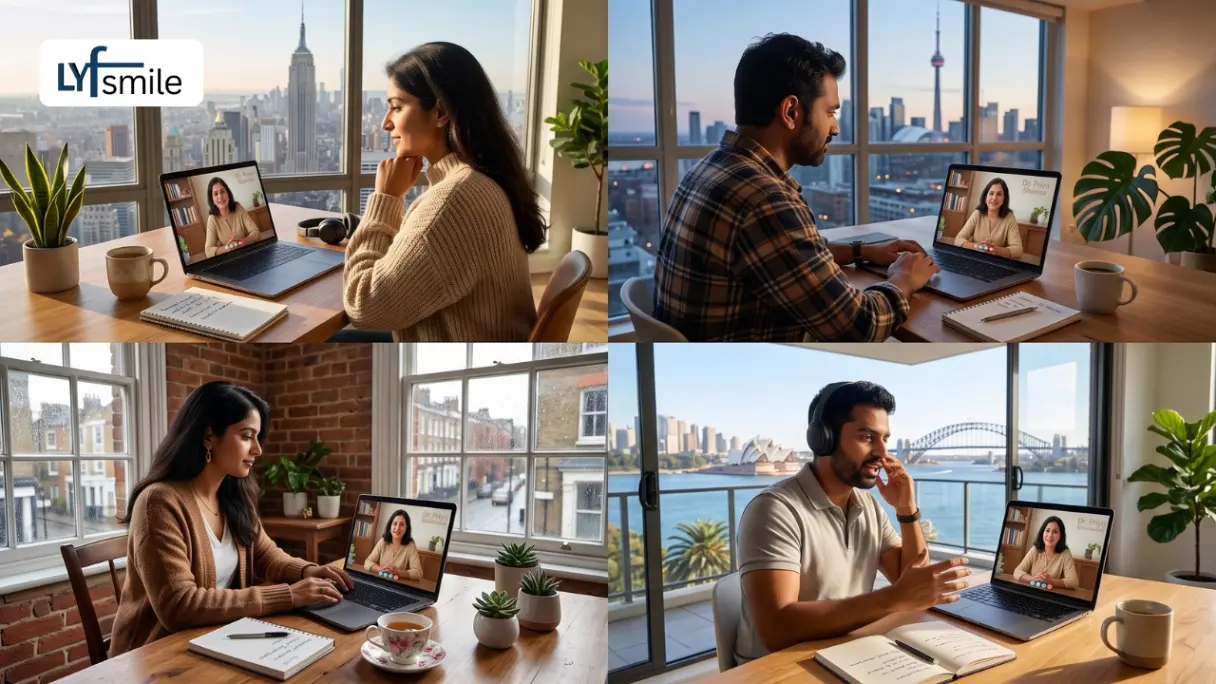 Online Therapy for NRIs in USA
Professionals in the United States often face demanding work cultures, visa concerns, relocation stress, and balancing family responsibilities across continents. Online therapy for NRIs in USA provides flexible support that fits different time zones and busy schedules.
Online Therapy for NRIs in UK
Many Indians living in the UK experience workplace pressure, weather-related mood changes, social isolation, and family adjustments. Professional online therapy for NRIs in the UK helps individuals navigate these transitions with culturally sensitive guidance.
Online Therapy for NRIs in Canada
Long winters, immigration adjustments, career rebuilding, and smaller support systems can affect emotional health. Online therapy for NRIs in Canada allows individuals and families to receive consistent psychological support without location barriers.
Online Therapy for NRIs in Australia
Australians often experience geographical distance from India more intensely because of travel time and time differences. Online therapy for NRIs in Australia helps people stay emotionally supported despite being far from family.
How Do I Choose the Best Online Psychologist for NRIs?
When selecting an online psychologist for NRIs, consider:
Professional qualifications
Experience with anxiety, depression, relationships, or trauma
Experience working with Indian clients abroad
Comfortable communication style
Flexible appointment timings
Secure online consultation platform
The best online therapy for NRIs is not necessarily the most expensive, it is the one where you feel understood, respected, and supported.
What Makes Culturally Sensitive Therapy Different?
A therapist may be clinically qualified but still miss important cultural contexts.
Culturally sensitive therapy for NRIs considers how culture shapes emotions, relationships, and decision-making.
Examples include understanding:
Family obligations
Arranged marriage expectations
Parenting differences
Religious beliefs
Community pressure
Intergenerational conflicts
Identity struggles between two cultures
Instead of viewing these experiences as unusual, therapists familiar with Indian culture recognise them as important parts of your personal story.
Is Therapy Confidential?
Yes. Professional therapists maintain strict confidentiality according to ethical guidelines. Confidential online therapy allows you to discuss personal concerns without fear of judgement. Your sessions remain private except in situations where legal or safety obligations require intervention.
Is Online Counselling Affordable?
Compared with traditional in-person appointments, affordable online therapy for NRIs often reduces travel costs and allows greater flexibility in choosing therapists located in India.
Many people also find it easier to continue therapy consistently because sessions fit around work schedules instead of requiring long commutes.
How Can NRIs Maintain Good Mental Health While Living Abroad?
 Therapy is only one part of maintaining good mental health. Simple daily habits also make a difference:
Stay connected with family without feeling obligated to be available constantly.
Build friendships outside work.
Maintain physical activity.
Celebrate Indian festivals and traditions in your local community.
Set healthy work-life boundaries.
Practice mindfulness or relaxation techniques.
Prioritise quality sleep.
Reach out for professional support when emotions begin affecting daily life.
These practices, combined with online emotional wellness support, can strengthen long-term mental well-being.
Conclusion
Life abroad offers opportunities for growth, but it also brings emotional challenges that deserve attention. Whether you're navigating a new culture, balancing family responsibilities across countries, or simply feeling overwhelmed by everyday pressures, seeking support is a sign of self-awareness not weakness.
Online therapy for NRIs makes professional care more accessible than ever. With flexible scheduling, secure virtual counselling sessions, and therapists who understand both Indian values and global lifestyles, you can receive meaningful support wherever you are in the world.
If you've been postponing help because of distance, time zones, or uncertainty, remember that emotional well-being deserves the same priority as physical health. Talking to a licensed psychologist online can help you gain clarity, build resilience, and create a healthier, more balanced life, no matter which country you call home.
Frequently Asked Questions
Can I attend therapy if I live outside India?
Yes. Many therapists offer online counselling for Indian expats and overseas Indians through secure video consultations.
Can I speak in Hindi during therapy?
Absolutely. Many psychologists provide therapy in Hindi, English, or a combination of both, depending on your comfort.
Is online therapy suitable for couples?
Yes. Couples living abroad often choose online sessions for relationship or marriage counselling.
Can therapy help with homesickness?
Yes. Homesickness is one of the most common concerns among people relocating abroad, and therapy helps individuals process these emotions while adapting to a new environment.
Do I need a diagnosed mental illness to start therapy?
No. Therapy is beneficial for everyday emotional challenges, stress management, relationship concerns, and personal growth, not just diagnosed mental health conditions.