

Lakshika Kaushik
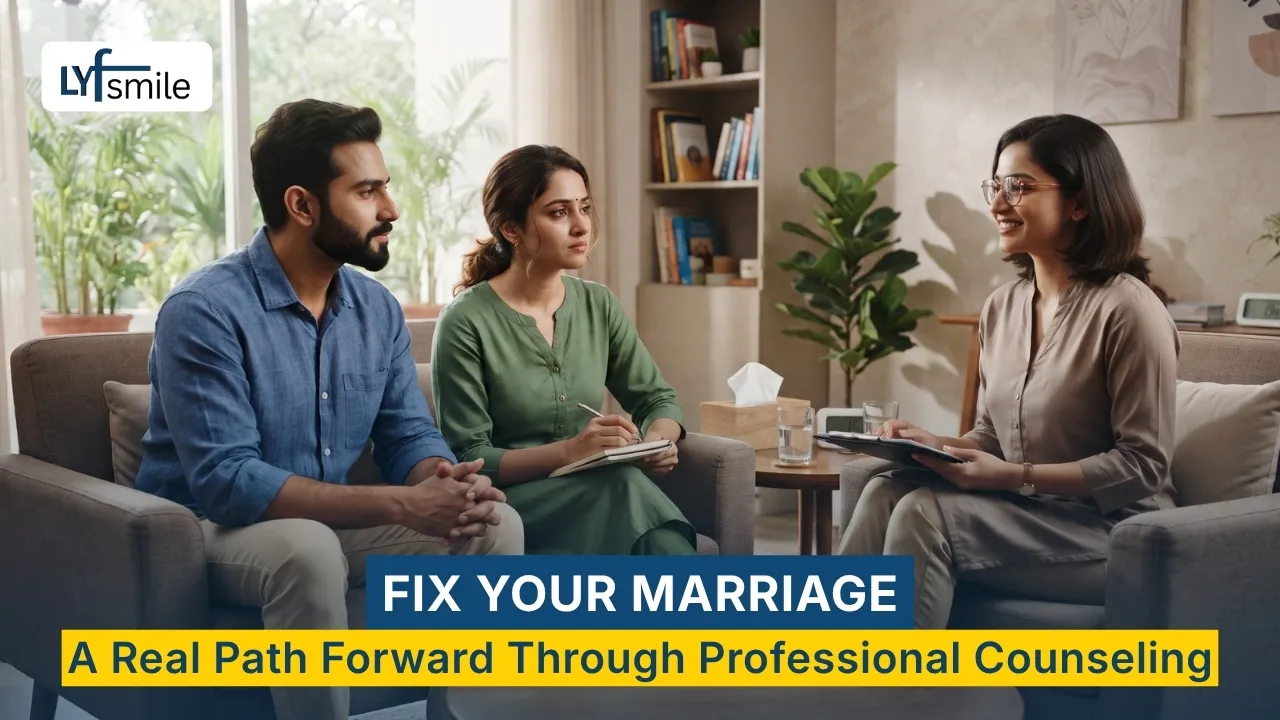
Fix My Marriage: A Real Path Forward Through Professional Counseling
Most people who search "fix my marriage" aren't looking for a therapist's opinion on who was wrong. They're looking for a real, workable answer to a question that's been weighing heavily for a while: Is this actually fixable?
To fix a marriage, couples need first to identify the patterns pulling them apart, then work through them consistently with structured professional support not a single conversation or a quick patch, but a deliberate process that addresses the real issues underneath. In most cases, that process works. But understanding what it involves makes the difference between starting it and giving up before it takes hold.
Here's what fixing a marriage actually looks like and where to begin.
What's Quietly Pulling Your Marriage Apart
Marriages rarely fall apart loudly. Most of the time, the damage builds slowly through small, repeated patterns that nobody names until they've piled up high enough to feel impossible to move.
Constant arguments with no resolution leave both partners exhausted and defensive, until eventually the fighting stops not because anything was resolved, but because it feels pointless to try. Emotional withdrawal happens when one or both partners stop sharing the parts of themselves that actually matter, retreating into surface-level conversations to avoid conflict. Unspoken resentment builds when needs go unmet long enough that they curdle into something harder a quiet bitterness that colours everything, even moments that have nothing to do with the original issue.
Sometimes it's one specific event: infidelity, a major breach of trust, a period of severe stress that neither partner knew how to navigate together. Sometimes it's none of those things, just a slow divergence over years that leaves two people feeling like strangers who happen to share a life.
What pulls marriages apart is usually a combination of patterns, not a single cause. And that matters because it means fixing a marriage requires addressing the patterns, not just the incidents.
How to Start Fixing What's Broken Step by Step
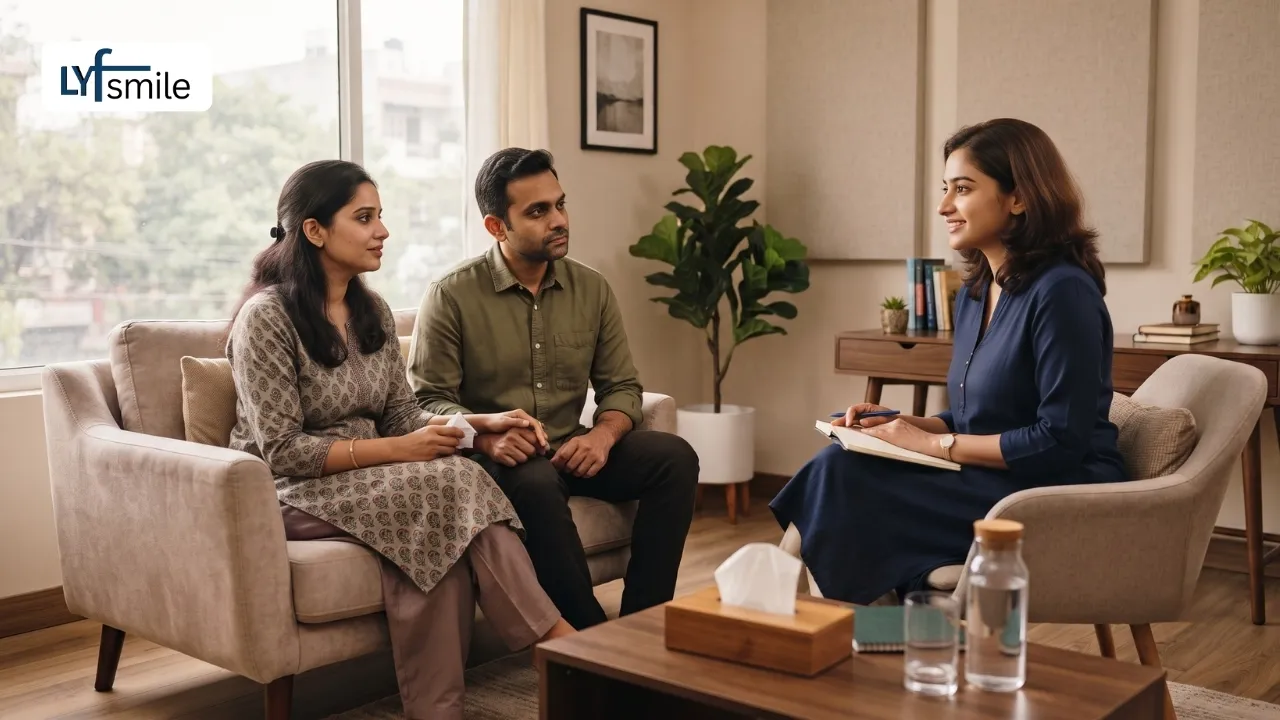 Fixing a marriage is a five-step process that begins with honest identification and ends with consistent, supported effort.
Step 1: Name what's actually wrong Most couples spend years arguing about symptoms money, parenting, chores without ever identifying the real issue underneath. Is it a lack of emotional safety? A history of unresolved conflict? A breakdown in trust that was never fully repaired? Naming the actual problem is what makes it possible to work on.
Step 2: Stop trying to solve it alone. Two people who are both inside the problem rarely have the clarity to fix it without outside help. A trained relationship therapist brings the neutral perspective both partners usually can't give each other, and the tools to make difficult conversations productive rather than destructive.
Step 3: Commit to a process, not a quick fix. Marriage restoration doesn't happen in one session or one breakthrough moment. It happens through consistent, structured effort sessions that build on each other, patterns that get identified and slowly replaced. Save my marriage counseling works when both partners treat it as a long-term investment rather than a last-ditch attempt.
Step 4: Rebuild before repairing. Sometimes what needs to happen isn't repairing the old version of the relationship; it's rebuilding it with better foundations. Rebuilding trust in marriage, relearning how to communicate without defensiveness, and rediscovering genuine connection are all things that get built forward, not patched backwards.
Step 5: Address specific issues with specific support Marriage counseling for conflict resolution, marriage help for frequent arguments, infidelity counseling in marriage, or narcissist husband wife counseling different problems need different approaches. A good counselor matches their method to what your marriage is actually dealing with, not a standard template.
Where Fix Your Marriage with Lyfsmile
Understanding how to fix a marriage is one thing. Having the right support to actually do it is another.
Lyfsmile offers a team of specialized therapists trained for different kinds of marital challenges, so the support your marriage receives is matched to what it's specifically going through, not a generalised approach that treats every marriage the same.
Starting costs nothing. Your first 15 minutes are free no forms, no pressure, just an honest look at where things stand and whether Lyfsmile's approach fits what your marriage needs. After that, sessions are available at ₹30 per minute, making consistent, professional marriage problems help genuinely accessible.
Sessions run online privately, securely, and from wherever you are. For NRI couples working across time zones, this means support that fits your schedule without requiring you to be anywhere specific. Prefer sitting down face to face? Lyfsmile's counseling centers are open in Delhi, Gurgaon, Panipat, and Noida.
Fixing a marriage takes honesty, effort, and the right help. Lyfsmile is built to provide the third part; the rest is already in you.
Start your free 15-minute session at Lyfsmile and take the first real step toward rebuilding your marriage.
FAQs
Q: How do I convince my partner to try marriage counseling when they're resistant?
A: Start by framing it as working on the relationship together rather than fixing one person. Sharing specific concerns rather than generalising often helps. Sometimes starting with individual sessions first can ease a hesitant partner into the process gradually.
Q: How long does it take to see real results from marriage counseling?
A: Most couples notice meaningful shifts within 4-6 sessions, though deeper issues may take longer. Consistency matters more than speed. Couples who attend regularly tend to see lasting change, while those who attend sporadically often find progress harder to sustain.
Q: Can marriage counseling work if only one partner is committed to fixing the marriage?
A: Individual sessions can still produce meaningful change when one partner shifts their patterns; the dynamic often shifts too. However, both partners engaging together tends to produce faster, more lasting results.
Q: What's the difference between marriage counseling and marriage coaching?
A: Marriage counseling is conducted by licensed mental health professionals who address psychological patterns and emotional dynamics. Marriage coaching is generally more goal and action-oriented. Lyfsmile offers clinical counseling evidence-based and professionally guided.
Q: Is everything discussed in marriage counseling kept confidential?
A: Yes. Everything shared in Lyfsmile sessions is strictly confidential between you and your counselor, in line with professional ethical standards.