


Anupam Tripathi
Feeding Therapy for Kids in Gurgaon: Pediatric Feeding Specialist Near You!
Feeding difficulties in children can include persistent food refusal, distress around certain textures, difficulty chewing, or stressful mealtimes. Feeding therapy for kids in Gurgaon may be considered when these challenges affect a child's eating skills, nutrition, or daily routines.
The right support depends on the child's feeding history, development, and whether the concerns involve sensory responses, feeding skills, or swallowing safety. An appropriately qualified professional can assess the concerns and discuss suitable next steps.
Feeding therapy for kids in Gurgaon is a specialised intervention that addresses these concerns. Conducted by trained pediatric feeding specialists, this therapy helps children improve oral-motor skills, gradually accept new textures, and develop safe, independent eating habits. With structured interventions, play-based exercises, and parent guidance, children learn to enjoy meals, and parents regain confidence and calm at the dining table.
If parents are looking for a Child Psychologist Near Me, or an experienced Child Therapist in Gurgaon often seek feeding therapy when eating difficulties begin affecting their child's nutrition, confidence, and daily routine.
Looking for a Feeding Therapist Near You in Gurgaon?
If you are searching for a feeding therapist near you or a pediatric feeding specialist, professional support can help your child overcome picky eating, food aversions, oral-motor difficulties, and mealtime anxiety.
At Lyfsmile, experienced specialists provide personalised feeding therapy for children struggling with texture sensitivities, chewing difficulties, food refusal, and limited food preferences. Early intervention can help children build safe and healthy eating habits while reducing stress for parents.
Understanding Feeding Therapy!
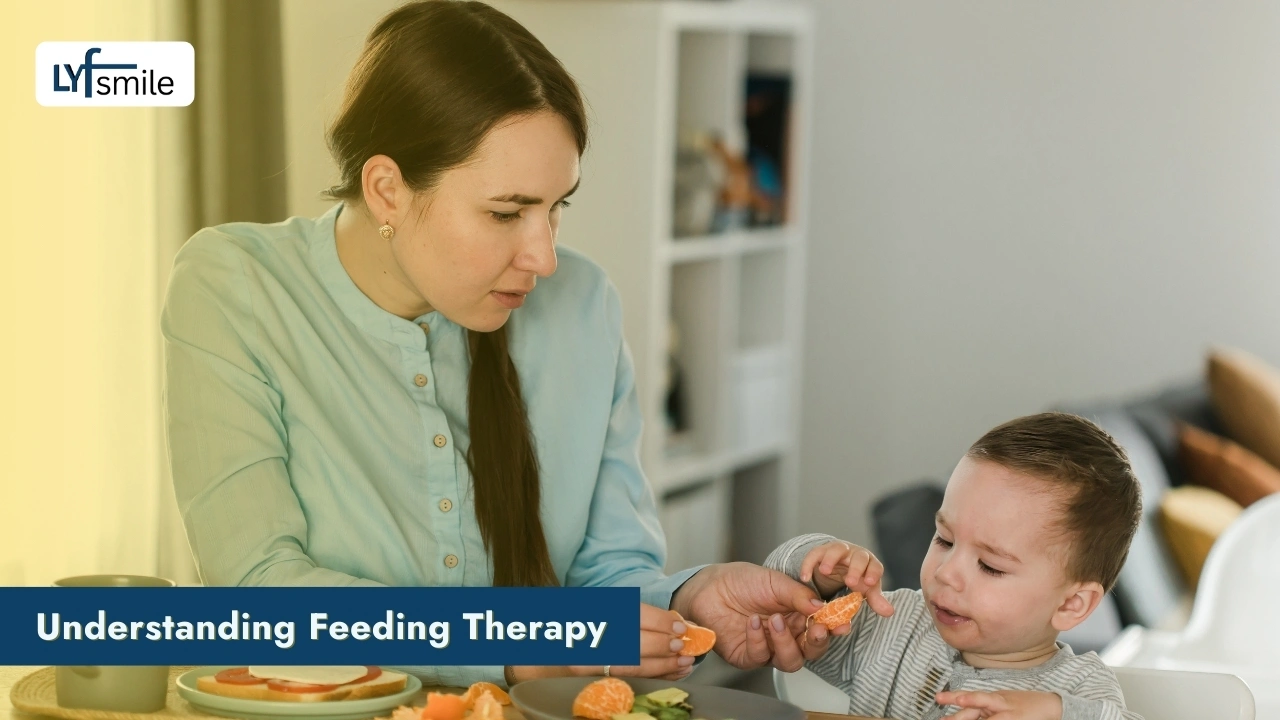 Feeding therapy is a structured approach designed to support children struggling with eating difficulties. These challenges may arise from a combination of oral-motor delays, sensory sensitivities, anxiety around food, or behavioral patterns. A child may:
Refuse certain textures like purees, crunchy foods, or mixed textures
Struggle with chewing and swallowing
Eat only a limited variety of foods, causing nutritional gaps
Exhibit anxiety, crying, or meltdowns at mealtimes
Feeding therapy for kids in Gurgaon combines oral-motor development support, structured feeding interventions, food texture acceptance training, chewing–swallowing skill building, and picky eating behavior correction. These interventions aim to help children eat safely, expand food variety, and develop a positive relationship with food.
Therapists often use play-based methods and sensory integration techniques to make the process enjoyable. Children are not forced to eat but are gradually encouraged to explore and try new foods at their own pace.
Common Feeding Problems Seen in Children in Gurgaon
Many parents in Gurgaon seek support when mealtimes become stressful or their child starts refusing foods. Some common concerns include:
Severe picky eating
Food texture sensitivities
Difficulty chewing or swallowing
Gagging while eating
Limited food choices
Anxiety around meals
Delayed self-feeding skills
Feeding Therapy for Kids in Gurgaon helps identify the root cause and develop a structured plan based on the child's needs.
Common Symptoms of Feeding Difficulties
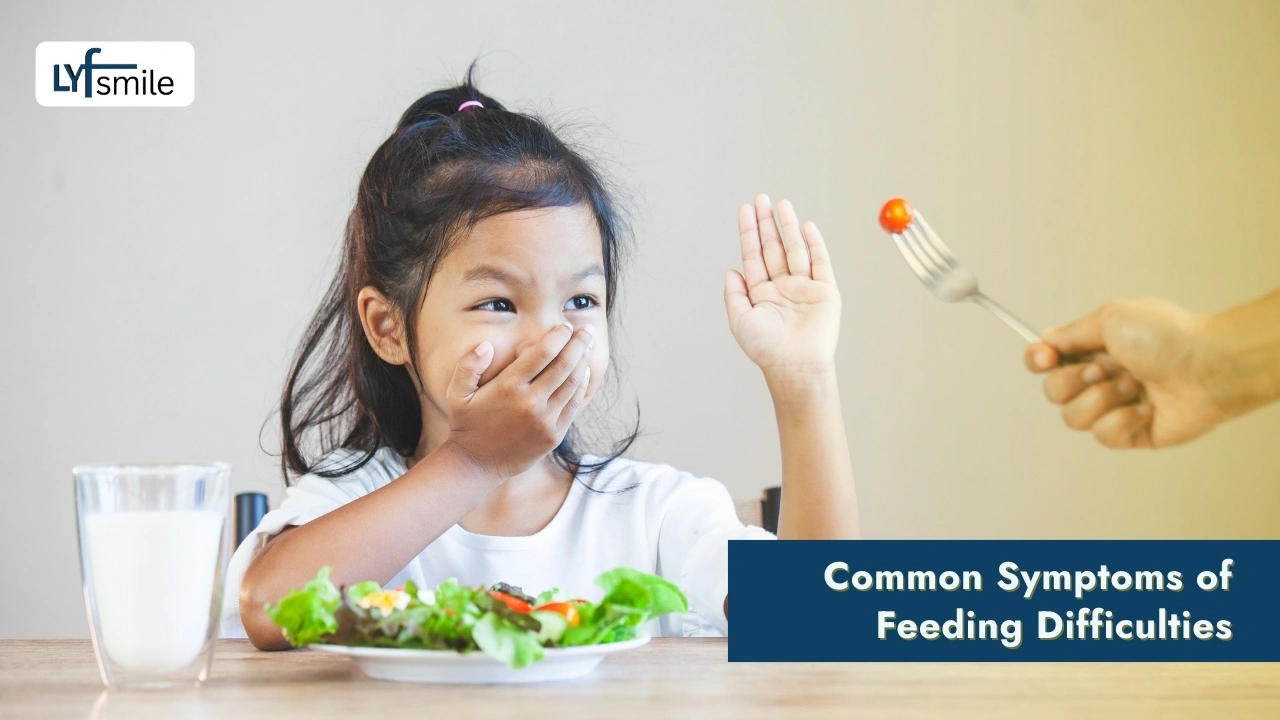 Understanding the symptoms is key to identifying the need for feeding therapy. Some signs include:
1. Picky Eating Behavior
A child may eat only certain foods or refuse vegetables, proteins, or mixed textures. Picky eating can lead to poor nutrition, stunted growth, or limited exposure to healthy foods.
2. Sensory Sensitivities
Many children react strongly to the feel, smell, or taste of food. For example, they may gag at mashed potatoes, refuse to touch rice, or dislike foods with sauces. Food texture acceptance training helps them gradually tolerate these textures.
3. Oral-Motor Challenges
Children may struggle to chew, bite, or swallow, resulting in slow eating or frequent gagging. Chewing–swallowing skill building strengthens oral muscles and improves coordination.
4. Anxiety or Meltdowns at Mealtimes
Children may cry, scream, or push food away if they feel stressed, overwhelmed, or uncertain. Feeding therapy helps reduce anxiety and build positive associations with meals.
5. Avoidance of Self-Feeding
Some children resist using utensils or refuse to feed themselves. Therapists encourage independence through structured, step-by-step exercises.
How Feeding Therapy Helps
Feeding therapy for kids in Gurgaon uses a holistic, individualized approach. Benefits include:
Oral-Motor Development Support: Strengthens lips, jaw, and tongue to improve chewing and swallowing.
Structured Feeding Interventions: Gradually introduce new foods, textures, and flavours in a safe, controlled environment.
Food Texture Acceptance Training: Step-by-step exposure to challenging textures to reduce avoidance.
Chewing–Swallowing Skill Building: Improves coordination, reduces gagging, and ensures safe eating.
Picky Eating Behaviour Correction: Encourages children to try new foods without pressure, fostering a positive mealtime environment
Therapists also provide guidance to parents for home practice, ensuring that skills learned in therapy sessions transfer to everyday meals.
Benefits of Feeding Therapy for Children
Feeding therapy for kids in Gurgaon focuses on helping children eat safely and comfortably. Some benefits include:
Improved oral-motor coordination
Better chewing and swallowing skills
Increased acceptance of different food textures
Reduced mealtime anxiety
Greater independence during meals
Improved nutritional intake
Positive eating habits for long-term development
Through structured interventions and parent guidance, feeding therapy helps children develop a healthier relationship with food.
Secondary Techniques Used in Feeding Therapy
Therapists often include these additional interventions:
Sensory-Based Activities: Engaging children in sensory exploration to reduce food aversions.
Positive Reinforcement: Rewarding attempts at trying new foods or textures.
Mealtime Modelling: Therapists and parents demonstrate eating behaviours for encouragement.
Gradual Desensitisation: Slowly increasing exposure to previously avoided foods or textures.
Interactive Play: Using games to develop oral-motor skills while making therapy fun.
These methods ensure that therapy is comprehensive, addressing both physical eating skills and emotional comfort around food.
Areas in Gurgaon Where Families Seek Feeding Therapy!
Families across Gurgaon often search for a feeding therapist near me when their child struggles with picky eating, food refusal, chewing difficulties, or sensory sensitivities related to food textures. Parents from areas such as DLF Phase 1, DLF Phase 2, DLF Phase 3, DLF Phase 4, DLF Phase 5, Sushant Lok, South City, Golf Course Road, Sector 46, Sector 49, Sector 56, Sector 57, Sohna Road, and Palam Vihar frequently seek professional support to help children develop healthy eating habits.
Whether you are looking for feeding therapy near me or an experienced pediatric feeding specialist near you or me, families across these neighbourhoods can access both online and in-person feeding therapy sessions.
At Lyfsmile, pediatric feeding specialists like Gunjan Bhatia understand these concerns and provide structured therapy combined with guidance for parents, making mealtimes less stressful and more productive.
Home-Based Strategies to Support Feeding Therapy
 Parents play a vital role in reinforcing therapy progress at home. Strategies include:
Routine Mealtimes: Establish predictable meal schedules to reduce anxiety.
Gradual Texture Introduction: Introduce new textures alongside familiar foods to encourage acceptance.
Positive Reinforcement: Praise successful attempts at trying new foods.
Oral-Motor Exercises: Bubble blowing, straws, chewy snacks, and crunchy foods strengthen oral muscles.
Involving Children in Meal Prep: Kids are more likely to try foods they help prepare.
Stay Calm: Avoid pressure or force, which can increase mealtime stress.
Consistency between therapy sessions and home practice is crucial for long-term success.
Online vs Offline Feeding Therapy
Online Therapy
Provides flexibility for families with busy schedules
Children can participate from the comfort of home
Therapists guide parents step-by-step
Suitable for children who are anxious or sensitive in new environments
Offline Therapy
Hands-on exercises under professional supervision
Peer interaction and social skills development during mealtimes
Real-time adjustments and feedback by therapists
Structured therapy sessions to build confidence in controlled settings
Parents can choose based on convenience and child comfort. LYFSMILE offers both online and offline feeding therapy for kids in Gurgaon.
Assessment: The First Step
Every feeding therapy program begins with a comprehensive assessment:
Observing the child’s eating behaviour and oral-motor skills
Evaluating sensory sensitivities to textures, tastes, and smells
Reviewing self-feeding abilities and chewing–swallowing patterns
Collaborating with parents to understand home routines and mealtime challenges
Assessment results guide a customised therapy plan, ensuring interventions are effective and tailored to the child’s unique needs. Parents can then schedule:
Book a feeding therapy session for a child
Oral motor therapy appointment Gurgaon
Feeding development program enrollment
Picky eating therapy booking near me
Paediatric feeding specialist Gurgaon
This ensures a clear, actionable plan and gives parents confidence in the therapy process.
Signs Your Child Needs Feeding Therapy
Consider therapy if your child:
Refuses a variety of foods, limiting nutrition
Shows strong texture sensitivities or gagging reactions
Struggles with chewing, biting, or swallowing
Experiences anxiety or meltdowns during meals
Avoids self-feeding or using utensils
Has persistent picky eating behaviours
Early intervention promotes faster improvement, reduces stress, and helps children develop lifelong healthy eating habits.
Assessment: The First Step in Feeding Therapy
Every feeding therapy program at Lyfsmile begins with a comprehensive assessment to understand your child’s unique needs. This initial step ensures that interventions are tailored, effective, and practical.
During the assessment, specialists focus on:
Observing the child’s eating behaviour and oral-motor skills
Evaluating sensory sensitivities to textures, tastes, and smells
Reviewing self-feeding abilities and chewing–swallowing patterns
Collaborating with parents to understand home routines and mealtime challenges
Assessment Fee: ₹500, a small investment to design a personalised plan that can save months of struggle and stress.
Benefits of the Assessment
Identifies the root cause of feeding difficulties
Provides a clear roadmap for therapy interventions
Ensures that both parents and children are comfortable with the approach
Offers guidance on whether online, offline, or hybrid therapy will work best
Online & Offline Options

Online Feeding Therapy Assessment
Conducted via secure video sessions from home
Parents receive step-by-step guidance while therapists observe mealtime behaviour
Ideal for children who are anxious or sensitive in new environments
Convenient for busy schedules or families outside Gurgaon
Offline/In-Person Feeding Therapy Assessment
Hands-on evaluation at Lyfsmile Gurgaon centre
Real-time observation of oral-motor skills and sensory reactions
Immediate feedback and guidance from pediatric specialists
Perfect for children who benefit from structured, sensory-rich environments
Next Steps After Assessment
Once the assessment is complete, parents can schedule:
Book a feeding therapy session for a child
Oral motor therapy appointment Gurgaon
Feeding development program enrollment
Picky eating therapy booking near me
Paediatric feeding specialist consultation in Gurgaon
This structured assessment ensures a clear, actionable plan and gives parents confidence in the therapy process, making mealtimes calmer, safer, and more enjoyable.
Helping Your Child Eat Confidently
Feeding difficulties can be overwhelming, but with structured support, professional guidance, and consistent home strategies, children can develop safe, confident, and independent eating habits.
Feeding therapy for kids in Gurgaon provides:
Improved oral-motor skills
Increased tolerance for new textures
Reduced mealtime anxiety
Positive mealtime behaviours
Nutritionally balanced eating
Lyfsmile and their pediatric feeding specialists, including Gunjan Bhatia, Mrs Ritika Dhall and Tanya Sachdeva, offer comprehensive therapy programs with assessment-driven plans, online and offline sessions, and practical parent guidance: ensuring every child has the chance to thrive.
Frequently Asked Questions (FAQs)
Who is the best feeding therapist near me in Gurgaon?
Parents looking for a feeding therapist near me in Gurgaon often consult pediatric feeding specialists who provide assessment-based therapy for picky eating, chewing difficulties, texture sensitivities, and food refusal.
Does feeding therapy help extremely picky eaters?
Yes. Feeding therapy helps children gradually accept new foods and textures while reducing anxiety associated with meals.
Can autistic children benefit from feeding therapy?
Yes. Feeding therapy can help autistic children with sensory sensitivities, food aversions, and texture-related difficulties through individualised interventions.
Is online feeding therapy available in Gurgaon?
Yes. Online feeding therapy sessions are available for families across Gurgaon and nearby areas. Therapists guide parents step-by-step and monitor progress regularly.
Which areas of Gurgaon are covered for feeding therapy?
Families from DLF Phase 1–5, Sushant Lok, South City, Golf Course Road, Sector 46, Sector 49, Sector 56, Sector 57, Sohna Road, Palam Vihar, and New Gurgaon can access feeding therapy services.
When should I consult a pediatric feeding specialist?
Parents should consider consulting a pediatric feeding specialist if their child experiences persistent picky eating, chewing difficulties, food refusal, gagging, texture sensitivities, or anxiety around meals.