

Lakshika Kaushik
Premarital Counseling in India | Prepare for a Stronger Marriage
Premarital counseling in India helps couples prepare for married life by discussing communication, finances, family expectations, careers, children, intimacy, responsibilities, personal boundaries, and conflict before the wedding. It gives both partners a structured space to understand where they agree, where they differ, and how they want to handle those differences together.
Marriage is more than choosing a life partner. It also means learning how to make decisions as a team. Two people can love each other deeply and still have very different expectations about money, family, work, parenting, personal space, or everyday responsibilities.
That does not mean something is wrong with the relationship. It simply means two different people are bringing their own experiences, habits, values, and family backgrounds into one marriage. Premarital counseling can help couples understand those differences before they become repeated sources of stress.
The Conversations Couples Should Have Before Getting Married
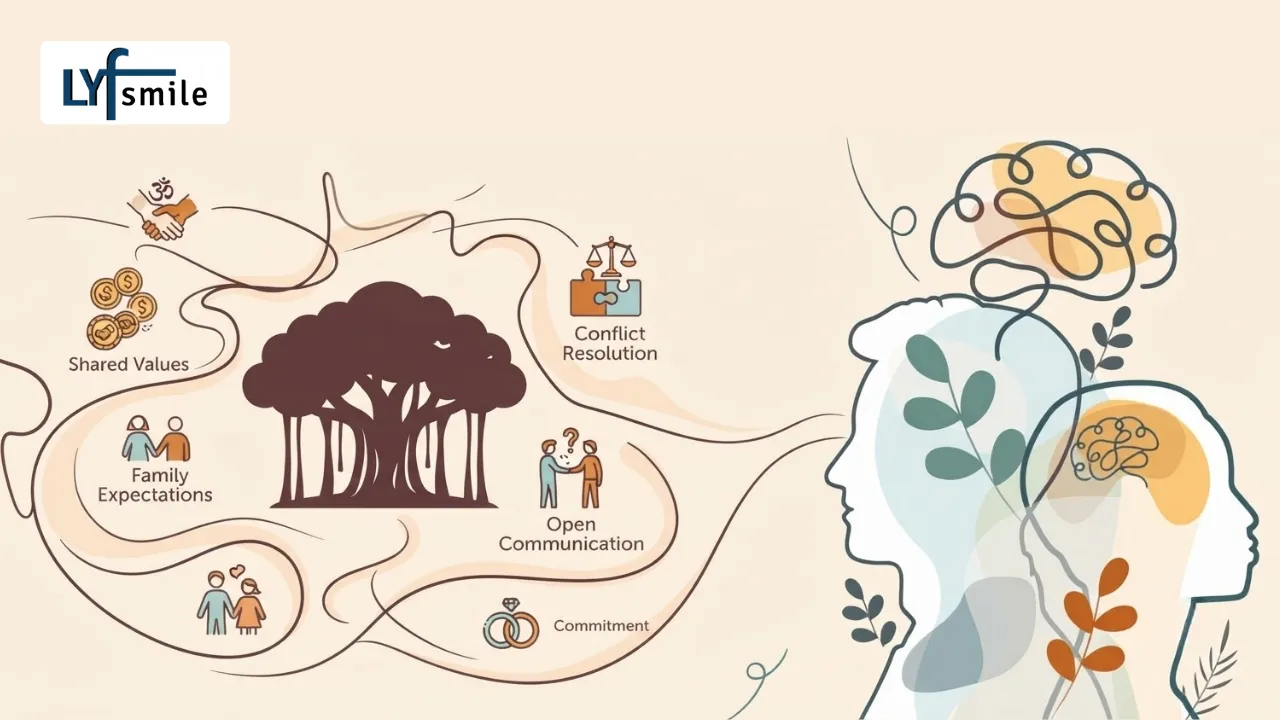
Before marriage, couples should talk about more than love and wedding plans. Important conversations include money, family involvement, careers, children, household responsibilities, emotional needs, intimacy, personal boundaries, and how each person handles conflict.
One partner may expect to stay closely involved with family after marriage, while the other may prefer more independence. One may want to combine finances, while the other prefers separate financial responsibilities. One may want children soon, while the other wants to wait.
These differences do not automatically mean a couple is incompatible. What matters is whether both people can talk about them honestly and respectfully.
counseling creates a professional space for those conversations. A counselor can help both partners explain what they expect, understand each other's perspective, and work through differences without turning every discussion into an argument.
Some of the areas couples may discuss include:
Money, savings, spending, and financial responsibilities
Career goals, relocation, and work-life balance
Household roles and everyday responsibilities
Children, parenting, and future family plans
Parents, in-laws, and family involvement
Emotional support and personal boundaries
Intimacy, affection, and privacy
Communication during stress or conflict
Religious, cultural, and lifestyle expectations
For premarital counseling for couples, these conversations can be especially useful because the engagement period often involves several major decisions at once.
The goal is not to make both partners agree on everything. It is to help them understand each other well enough to make important decisions together.
What Changes When Two People Start Building a Life Together
Marriage can change the way two people handle everyday life. Responsibilities may become shared, family relationships may become more involved, financial choices may affect both partners, and career decisions can shape the future of the household.
This is why being happy together and knowing how to function as a team are not always the same thing.
A couple may have a strong emotional connection but very different communication patterns. They may love each other but approach money, parenting, family boundaries, or conflict differently. Premarital counseling helps bring these differences into the open while there is still time to understand and work through them.
Communication and conflict
Premarital counseling for communication issues can help couples understand how each partner reacts when stressed, angry, disappointed, or emotionally overwhelmed. For couples who feel more comfortable expressing sensitive thoughts in Hindi, choosing a Hindi Premarital Counselor in India can also make conversations around emotions, family, and marriage expectations easier and more natural.
Family expectations
For many Indian couples, marriage also means navigating two families. Premarital counseling for family expectations can help partners discuss boundaries, traditions, decision-making, living arrangements, and the role they want parents and extended family to have in their married life.
Love and arranged marriages
The way a relationship begins can shape the conversations a couple needs to have.
Premarital counseling for love marriage can help couples prepare for the shift from dating to married life, especially when family expectations, responsibilities, finances, and long-term decisions become more important.
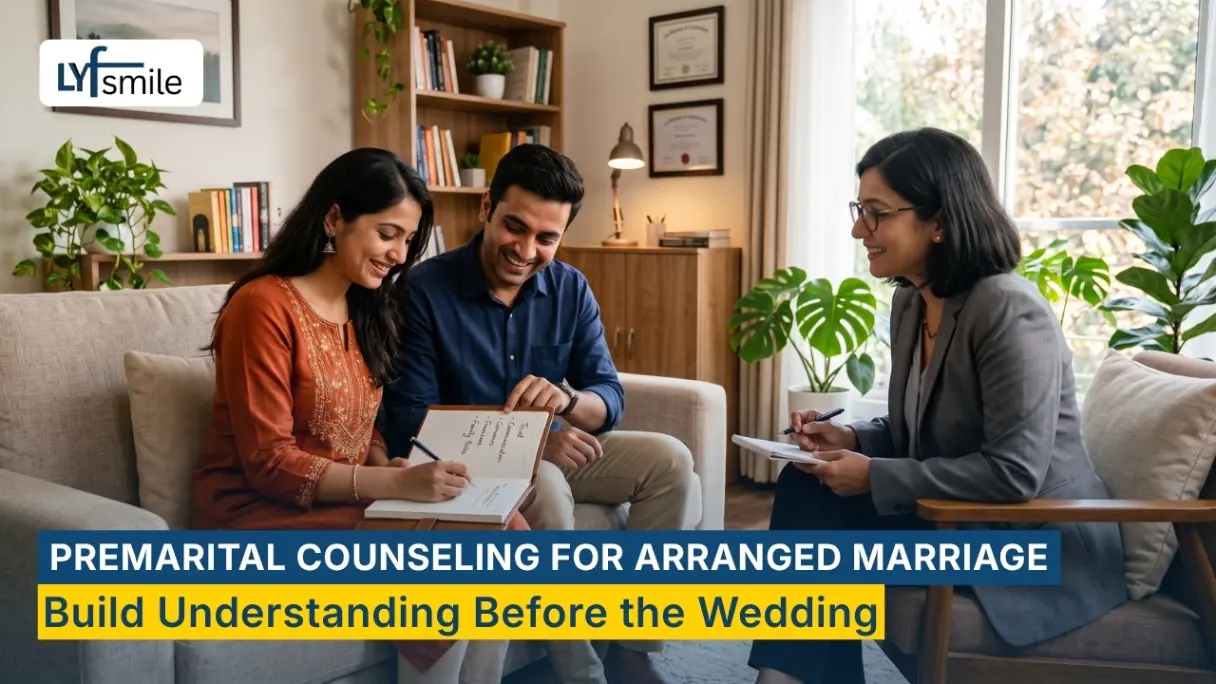
Premarital counseling for arranged marriage can create a structured opportunity for two people to understand each other more deeply when they may have had less time together before making the commitment.
Intercaste and interfaith relationships
For premarital counseling for intercaste marriage and premarital counseling for interfaith couples, discussions may include traditions, beliefs, festivals, family expectations, cultural identity, and future decisions.
These conversations can be difficult to have casually because family and cultural expectations may be emotionally sensitive. Counseling provides a neutral space where both partners can speak openly.
NRI and long-distance couples
Premarital counseling for NRIs can be especially useful when partners live in different countries, one person is abroad, or the couple is planning to relocate after marriage.
The discussion may include distance, relocation, cultural adjustment, family involvement, career changes, and how the couple plans to create a shared life.
For couples who prefer remote sessions, online premarital counseling in India can make it easier to attend sessions together even when partners are in different cities or countries.
Premarital counseling does not tell a couple whether they should get married. A counselor does not make that decision for them. Instead, counseling helps both people understand their relationship more clearly, recognise differences, and make informed decisions about their future.
Sometimes, the most useful outcome is not complete agreement. It is knowing what needs to be discussed, negotiated, and understood.
Why Lyfsmile Is the Right Choice for Premarital Counseling
Lyfsmile offers online and in-person premarital counseling with experienced Premarital Counselors, giving couples flexibility based on their location, schedule, and comfort. Sessions are shaped around the couple's actual concerns rather than following one fixed checklist.
Ms. Priyanka Sharma, Counselling Psychologist and pre-marital counseling specialist at Lyfsmile, brings clinical expertise and a structured, supportive approach to premarital sessions. Couples can use the space to discuss expectations, concerns, communication patterns, family dynamics, and the future they are planning together.
Ms. Riya Rathi, a Counselling Psychologist with a Master's degree in Applied Psychology and a Post Graduate Diploma in Guidance and Counselling, brings over three years of clinical experience. Her approach integrates CBT, Solution-Focused Brief Therapy, Mindfulness-Based Interventions and Client-Centered Counselling, allowing sessions to be adapted to each couple's needs.
For couples who prefer virtual premarital counseling, online sessions can be particularly useful when partners live in different cities, have demanding schedules, or include an NRI partner. Couples who prefer face-to-face support can also access in-person sessions at Lyfsmile centers in Delhi, Gurgaon, Panipat, and Noida.
The first 15 minutes are free, so couples can speak with a counselor, understand the process, and decide whether counseling feels right before committing to regular sessions.
After that, sessions are available at ₹30 per minute, making them affordable and more accessible to couples across India and to Indian couples living abroad.
Choosing premarital counseling does not mean a relationship is struggling. Sometimes, it simply means two people want to take their future seriously.
Ready to talk about the things that matter before marriage? Start with Lyfsmile's free 15-minute consultation. You and your partner can speak with a counselor, understand what support may be useful, and decide on the next step without making a long-term commitment during that first conversation.
Frequently Asked Questions
Is premarital counseling only for couples who are having problems?
No. Many couples choose premarital counseling even when their relationship is going well. It can help them understand expectations, strengthen communication, and discuss important decisions before marriage.
How early should couples start premarital counseling?
Many couples begin a few months before the wedding so they have enough time to discuss important topics without the pressure of final wedding preparations. However, there is no fixed timeline, and even a few sessions can be useful.
Can premarital counseling help with family and in-law expectations?
Yes. Couples can discuss family involvement, boundaries, traditions, responsibilities, and decision-making, especially when both partners have different expectations.
Can love-marriage and arranged-marriage couples both benefit?
Yes. Premarital counseling for love marriage and premarital counseling for arranged marriage can both be useful. The focus simply changes according to the couple's circumstances.
Is online premarital counseling useful for NRI couples?
Yes. Online counseling can make sessions easier for couples living in different cities or countries and can be particularly practical when travel or schedules make in-person sessions difficult.
Can premarital counseling help with communication problems?
Yes. Couples can use counseling to understand communication patterns, discuss emotional needs, handle disagreements more constructively, and learn healthier ways to express concerns.
How many premarital counseling sessions do couples usually need?
There is no fixed number of sessions for every couple. Some couples may feel they have addressed their main concerns within a few sessions, while others may benefit from longer support depending on the number and complexity of topics they want to discuss. The counselor can help determine what is appropriate for the couple.